
Orange occupies a unique position on the color spectrum, historically serving as a bridge between the intensity of red and the luminosity of yellow. Throughout history, the search for stable orange hues presented a significant challenge to artisans. Early civilizations relied on toxic minerals like Realgar for orange hues, while the Renaissance era saw the use of lead-based compounds that often darkened over time. The 19th century introduced synthetic inorganic choices such as Cadmium Orange and Molybdate Orange , which provided immense brightness and opacity but raised environmental and health concerns. The modern pigment industry has subsequently shifted toward high-performance organic alternatives, including the Azo , Benzimidazolone , and Perylene families. These modern organic compounds offer exceptional lightfastness and intense color saturation without the heavy metal content of their inorganic predecessors, making them essential for contemporary high-quality paints, inks, and plastics. The following list details the technical properties of specific organic and inorganic orange pigment powders.
Organic Pigments
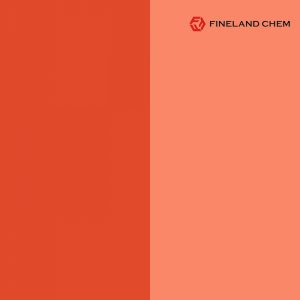
Pigment Orange 5
Colour Description: Vivid reddish-orange.
Transparency/Opacity: Semi-transparent.
PO 5 belongs to the monoazo pigment family. It delivers a vivid reddish-orange hue with good tinting strength, making it a cost-effective choice for general-purpose industrial paints and printing inks. While it provides excellent colour development in thicker applications, its resistance to heat and outdoor weather is moderate. Therefore, it is best applied in indoor coating systems or as a colorant where high-temperature processing is not involved. Its lightfastness is generally considered average compared to high-performance grades.
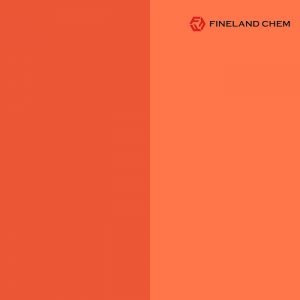
Pigment Orange 13
Colour Description: Strong reddish-orange.
Transparency/Opacity: Semi-transparent.
As a disazo pigment, PO 13 is characterized by its exceptionally high tinting strength and strong reddish-orange shade. It is frequently employed in the printing ink industry, particularly for solvent-based and offset printing applications. The pigment offers good economic value; however, its thermal stability and resistance to light are generally considered intermediate, which restricts its use in outdoor plastics or automotive finishes where prolonged sunlight exposure is anticipated.
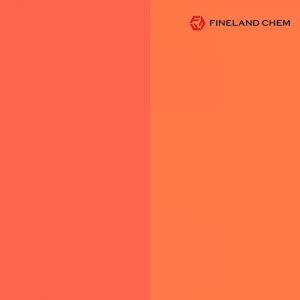
Pigment Orange 16
Colour Description: Orange-red.
Transparency/Opacity: Semi-transparent.
PO 16 is a diarylide pigment that delivers a bright orange-red shade. It possesses high tinting strength and is routinely used in the coloration of various plastics and industrial coatings. Because it is a member of the disazo class, it shares similar properties with other diarylide pigments, exhibiting moderate solvent resistance and heat stability that is generally suitable for low-to-medium temperature polymer processing.
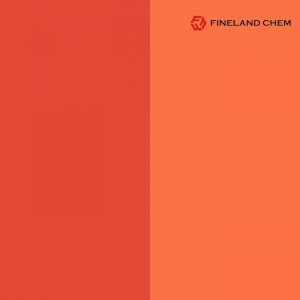
Pigment Orange 34
Colour Description: Reddish-orange.
Transparency/Opacity: Opaque.
PO 34 is an azo lake pigment , created by precipitating the colourant onto an inorganic substrate. This structure gives the pigment a high degree of opacity and strong hiding power. It exhibits good lightfastness and is often used in protective coatings, industrial paints, and printing inks. Its excellent coverage properties make it suitable for formulating opaque basecoats where substrate surface defects need to be hidden.
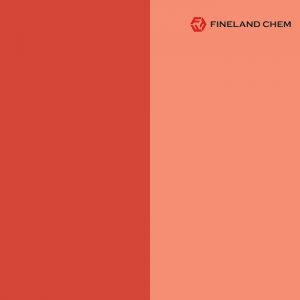
Pigment Orange 36
Colour Description: Reddish-orange.
Transparency/Opacity: Semi-transparent.
PO 36 is a high-performance pigment belonging to the benzimidazolone series. It is noted for its outstanding resistance to heat, light, and solvents. Because of this exceptional stability, PO 36 is widely applied in demanding industrial sectors, including automotive paints, high-quality printing inks, a
nd engineering plastics. The pigment maintains its reddish-orange color consistently even under harsh processing conditions and prolonged ultraviolet exposure.
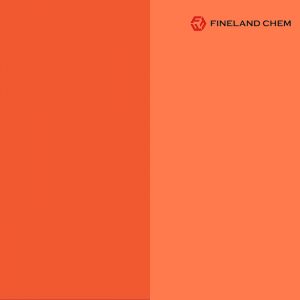
Pigment Orange 43
Colour Description: Reddish-orange to yellow-red.
Transparency/Opacity: Semi-transparent.
PO 43 is a high-performance pigment based on the perylene chemical structure. It is renowned for its exceptional weatherfastness and outstanding lightfastness, making it one of the most durable orange pigments available. With high tinting strength, it is routinely utilized in premium industrial coatings, exterior powder coatings, and automotive refinish paints that require long-term colour retention under demanding outdoor conditions.
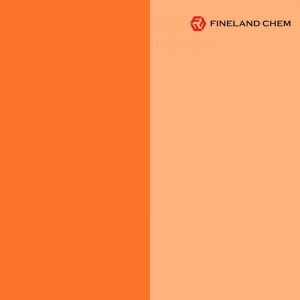
Pigment Orange 62
Colour Description: Reddish-orange.
Transparency/Opacity: Semi-transparent.
PO 62 belongs to the benzimidazolone pigment family. It is characterized by its clean reddish-orange shade and good overall fastness properties. Due to its reliable performance, it finds regular use in industrial coatings, paints, and plastics. Its resistance to migration and heat makes it a dependable choice for applications requiring durability without the extreme performance costs of premium grades.
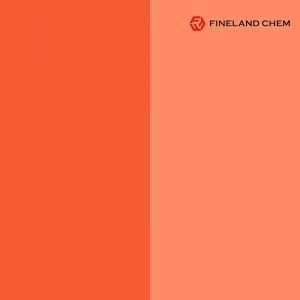
Pigment Orange 64
Colour Description: Reddish-orange.
Transparency/Opacity: Semi-transparent.
PO 64 is another member of the benzimidazolone class of organic
pigments. It offers excellent colour strength along with superior resistance to heat, light, and migration in various polymer systems. These properties make it suitable for higher-grade plastic applications and specific industrial coatings where the pigment must withstand moderate-to-high processing temperatures without undergoing colour degradation.
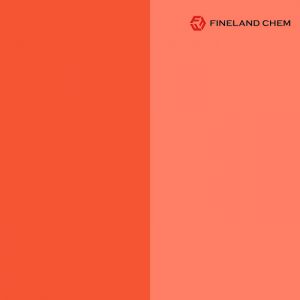
Pigment Orange 73
Colour Description: Yellowish-orange.
Transparency/Opacity: Semi-transparent.
PO 73 falls into the azo condensation pigment category. By utilizing a larger molecular structure , this pigment provides significantly enhanced resistance to heat, light, and chemical migration compared to standard monoazo and disazo pigments. It is typically applied in industrial bake enamels, automotive coatings, and high-performance inks where high-temperature curing and long-term weatherability are critical.
Inorganic Pigments
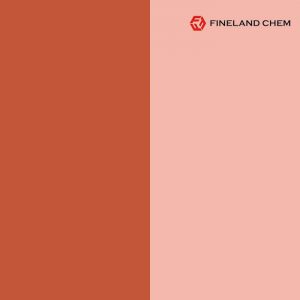
Pigment Orange 75
Colour Description: Reddish-orange.
Transparency/Opacity: Opaque.
PO 75 is an inorganic mixed metal oxide pigment, primarily composed of iron, chromium, and titanium oxides. It is characterized by its complete opacity and outstanding chemical inertness. This pigment exhibits exceptional lightfastness and resistance to extreme high temperatures, as well as resistance to alkalis and acids. It is extensively used in architectural coatings, ceramic glazes, and weather-resistant exterior paints where heavy-duty durability is essential.
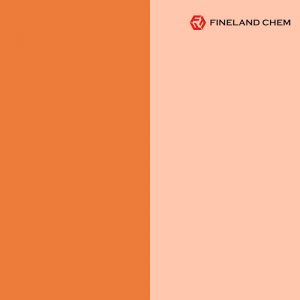
Pigment Orange 78
Colour Description: Strong reddish-orange.
Transparency/Opacity: Opaque.
PO 78 is an inorganic (https://en.wikipedia.org/wiki/Inorganic_compound) pigment chemically classified as a lead chromate molybdate . It is distinguished by its extremely high hiding power, bright saturation, and vivid red-orange colour. However, because it contains lead and hexavalent chromium , it is considered a heavy-metal pigment. Due to significant environmental and health toxicity regulations, its use is strictly restricted or banned in many regions, though it may still be encountered in specific legacy industrial formulations.