Industrial paint used outdoors may experience prolonged exposure to sunlight, rain, humidity, and temperature fluctuations. Pigments should maintain stable color and appearance during long-term environmental exposure.
Industrial paint systems may be exposed to oils, solvents, fuels, acids, alkalis, and other chemicals. Suitable pigments should provide sufficient chemical stability for the intended operating environment.
Pigments used in protective industrial paint should be compatible with formulations designed to protect metal substrates against corrosion and environmental degradation.
Certain industrial paint applications are exposed to elevated curing or service temperatures. Pigments must maintain their color and physical stability under the required processing and operating conditions.
Good pigment dispersion is essential for uniform color development, stable paint appearance, and consistent production. Poor dispersion can lead to agglomeration, color variation, surface defects, and reduced coating performance.
Depending on the application, industrial paint may require different levels of color strength, hiding power, or transparency. Pigment selection should therefore consider both the required shade and the performance of the complete paint system.
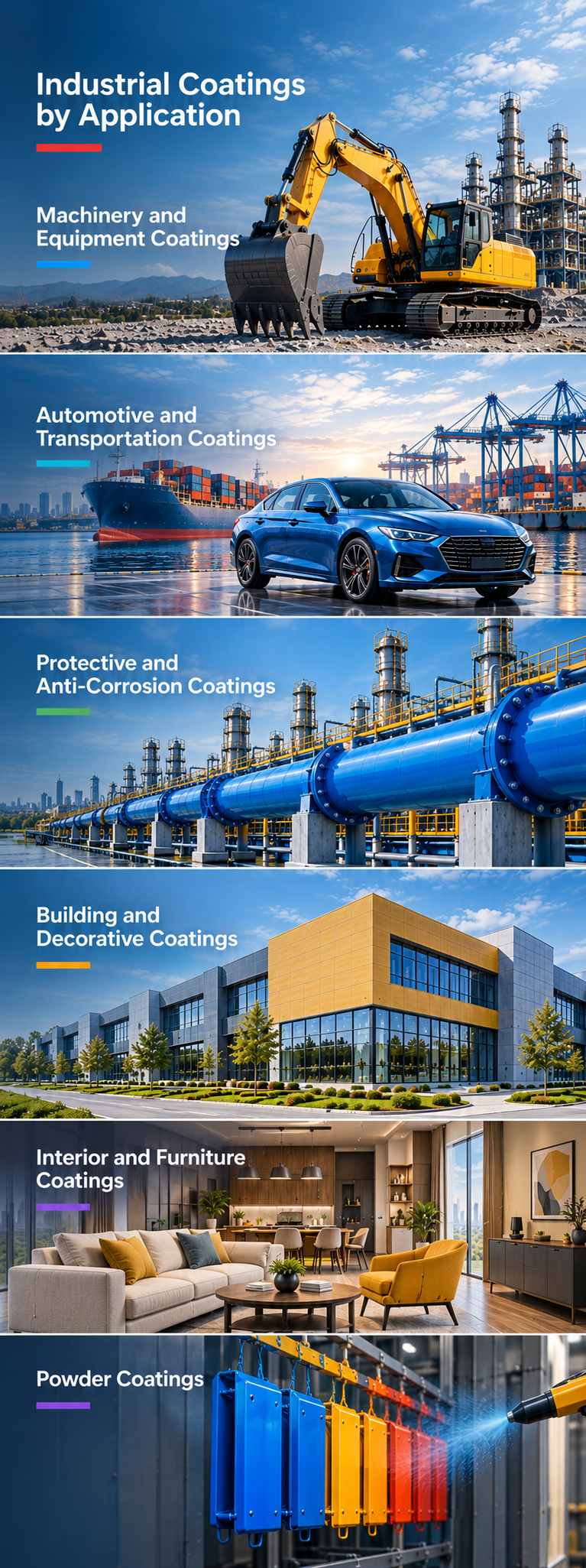
Industrial paint is used across a wide range of industries, with different substrates and operating environments creating different pigment requirements.
Different paint systems have different binder chemistry, formulation characteristics, and curing conditions. Pigment selection should therefore consider compatibility with the complete industrial paint system.
Solvent-based industrial paint is widely used for machinery, metal equipment, transportation components, and protective applications. Pigments should provide good solvent resistance, dispersion, color strength, and durability.
Common resin systems include:
Water-based industrial paint uses water as the primary carrier and is increasingly used where VOC reduction and environmental requirements are important.
Pigments should provide good dispersion, water resistance, color stability, and compatibility with water-based binder systems.
Rather than selecting pigments only by color, industrial paint manufacturers often need to balance several performance requirements.
General industrial paint may prioritize color strength, dispersion, opacity, cost efficiency, and adequate weather resistance.
Outdoor industrial paint requires pigments with stronger lightfastness, weather resistance, and long-term color stability.
Paint exposed to elevated temperatures requires pigments with appropriate thermal stability to prevent discoloration or degradation.
Paint used around chemicals, fuels, moisture, or corrosive environments requires pigments compatible with the overall protective coating system.
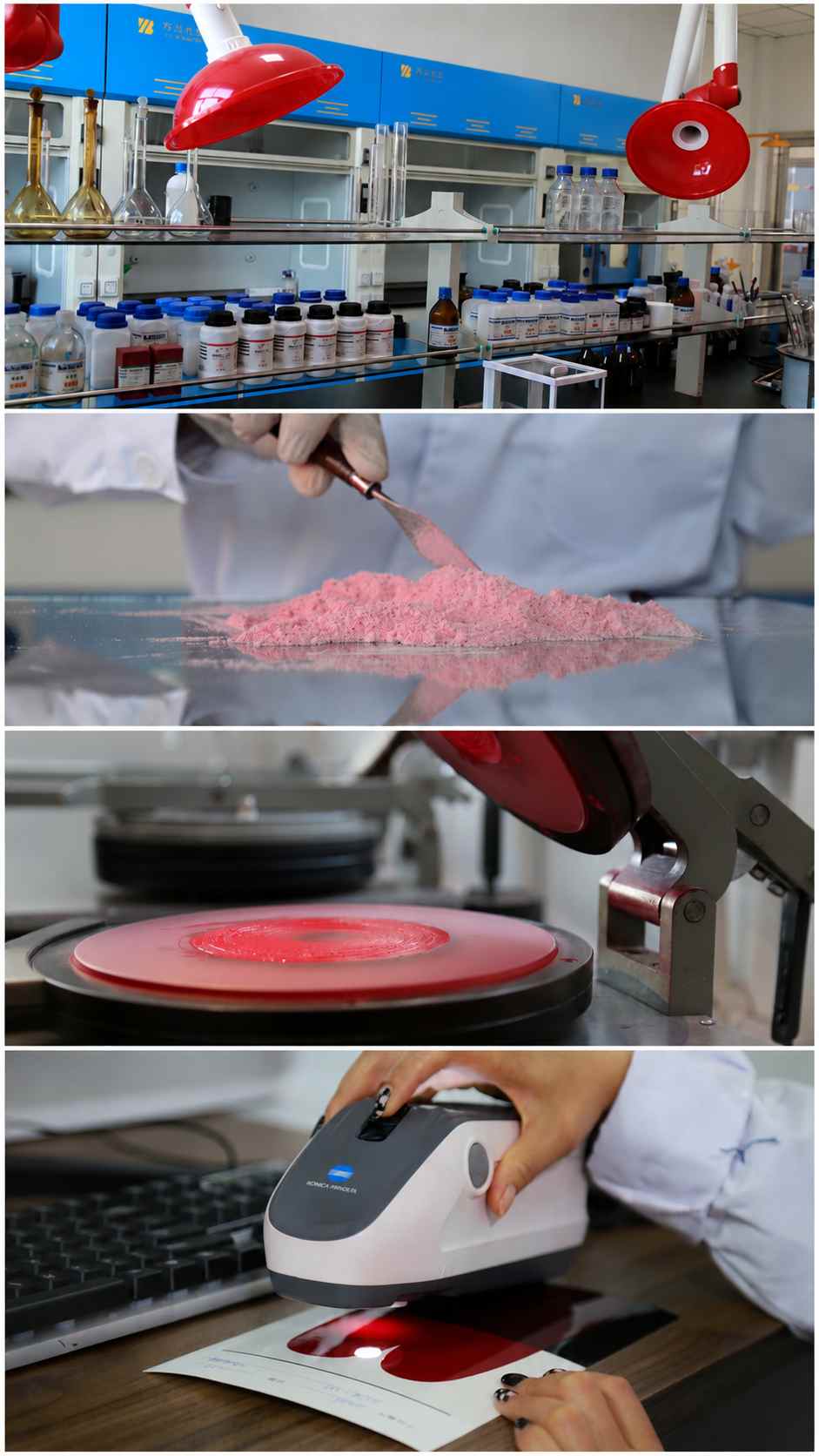
Industrial paint applications require pigments to provide consistent technical performance, regulatory compliance, and batch-to-batch stability. Pigment selection should consider both the paint formulation and the intended service environment.
Key parameters may include:
Controlled raw materials and standardized production processes help maintain consistent pigment characteristics. Batch testing can evaluate color, tinting strength, particle characteristics, moisture, and dispersion performance.
Depending on the destination market and application, pigments may need to meet relevant chemical regulations, restricted substance requirements, heavy metal limits, and customer-specific specifications.
Consistent quality control and compliance management help reduce formulation variation and support stable industrial paint production.