
Solvent dyes are colorants that dissolve completely in organic solvents, oils, fuels, waxes, and compatible polymer systems. Unlike pigments, solvent dyes do not remain as suspended particles and therefore provide transparent, brilliant coloration without affecting clarity.
Due to their high tinting strength, excellent transparency, and broad compatibility, solvent dyes are widely used in engineering plastics, fuels, lubricants, waxes, inks, and specialty industrial applications.
Solvent dyes are available in a variety of colors, including red, yellow, green, blue, and brown shades, allowing manufacturers to achieve specific color identification and appearance requirements.
For readers interested in the broader science of colorants, see the Wikipedia articles on:
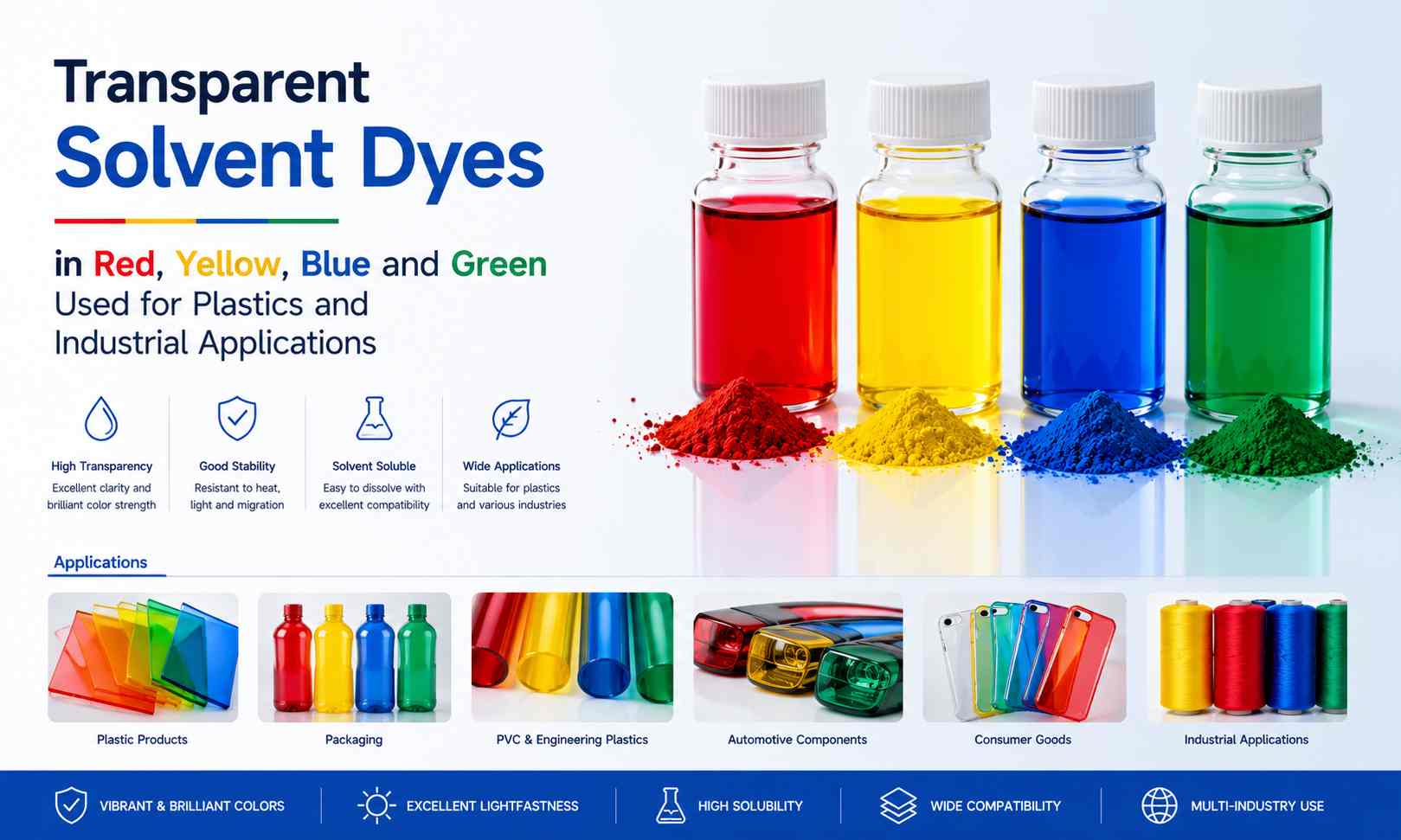
Because solvent dyes dissolve completely in compatible systems, they provide clear and transparent coloration without reducing optical clarity.
Small addition levels can produce strong color intensity, helping manufacturers optimize formulation costs.
Unlike pigments, solvent dyes do not require particle dispersion, simplifying production and reducing processing challenges.
Solvent dyes are commonly used in plastics, fuels, lubricants, waxes, inks, and other industrial systems.
For more information about color development and formulation performance, readers may also find these resources useful:
Solvent dyes are widely used in engineering plastics such as:
Recommended products:
Key considerations:
For application-specific guidance, see:
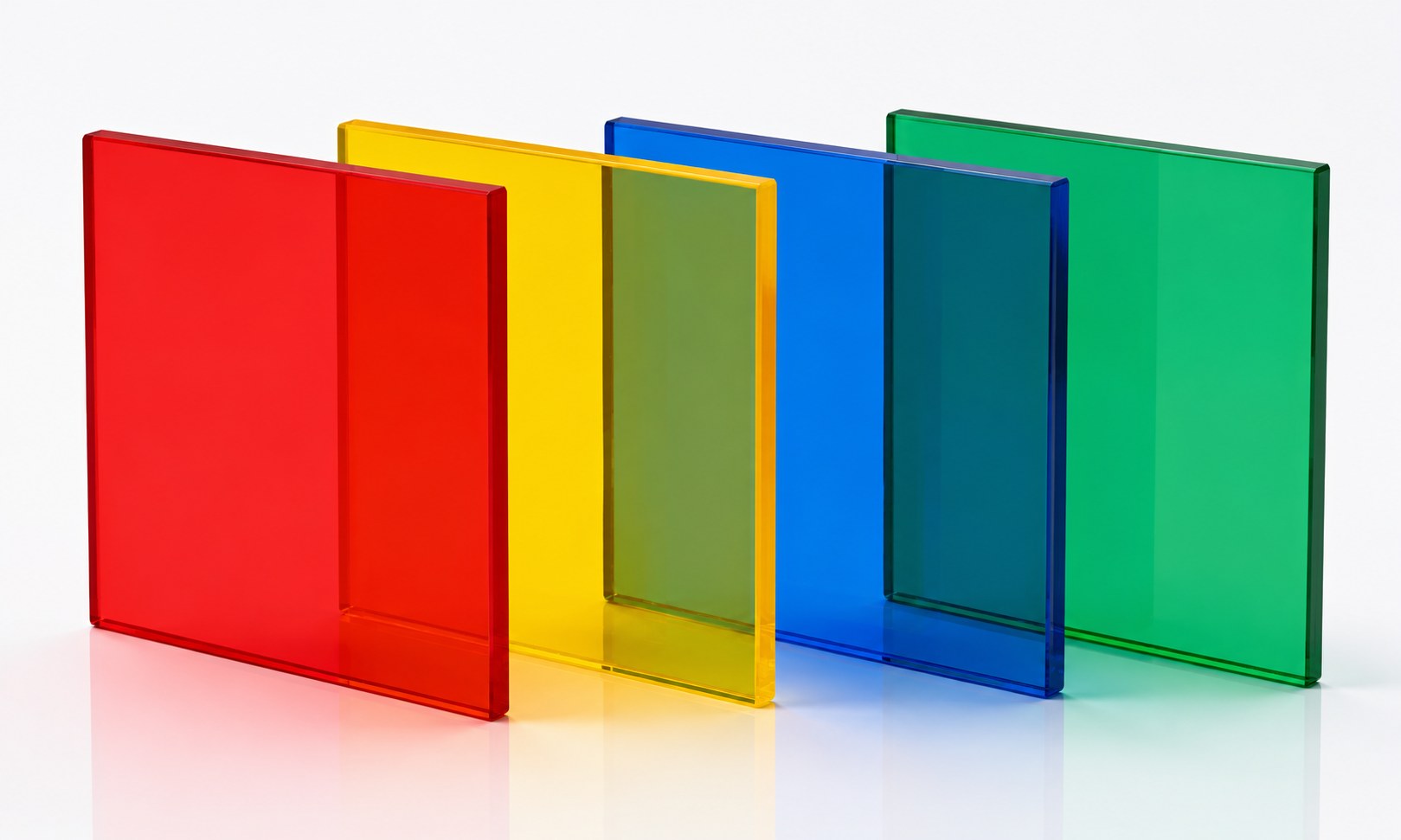
For transparent or translucent plastic applications, solvent dyes provide brilliant coloration while maintaining clarity.
Recommended products:
Key considerations:
Solvent dyes are commonly used to identify and differentiate fuels, lubricants, and industrial oils.
Recommended products:
Key considerations:

Many solvent dyes provide uniform coloration in wax systems without affecting processing performance.
Recommended products:
Key considerations:
| Product | Main Color | Typical Applications |
|---|---|---|
| Solvent Red 149 | Red | Engineering Plastics, Transparent Plastics |
| Solvent Red 197 | Red | High-Temperature Plastics |
| Solvent Yellow 160:1 | Yellow | Transparent Plastic Products |
| Solvent Green 3 | Green | Fuels and Lubricants |
| Solvent Brown 43 | Brown | Oils, Fuels, Hydrocarbon Systems |
| Solvent Blue 35 | Blue | Engineering Plastics |
| Solvent Blue 97 | Blue | Transparent Plastic Products |
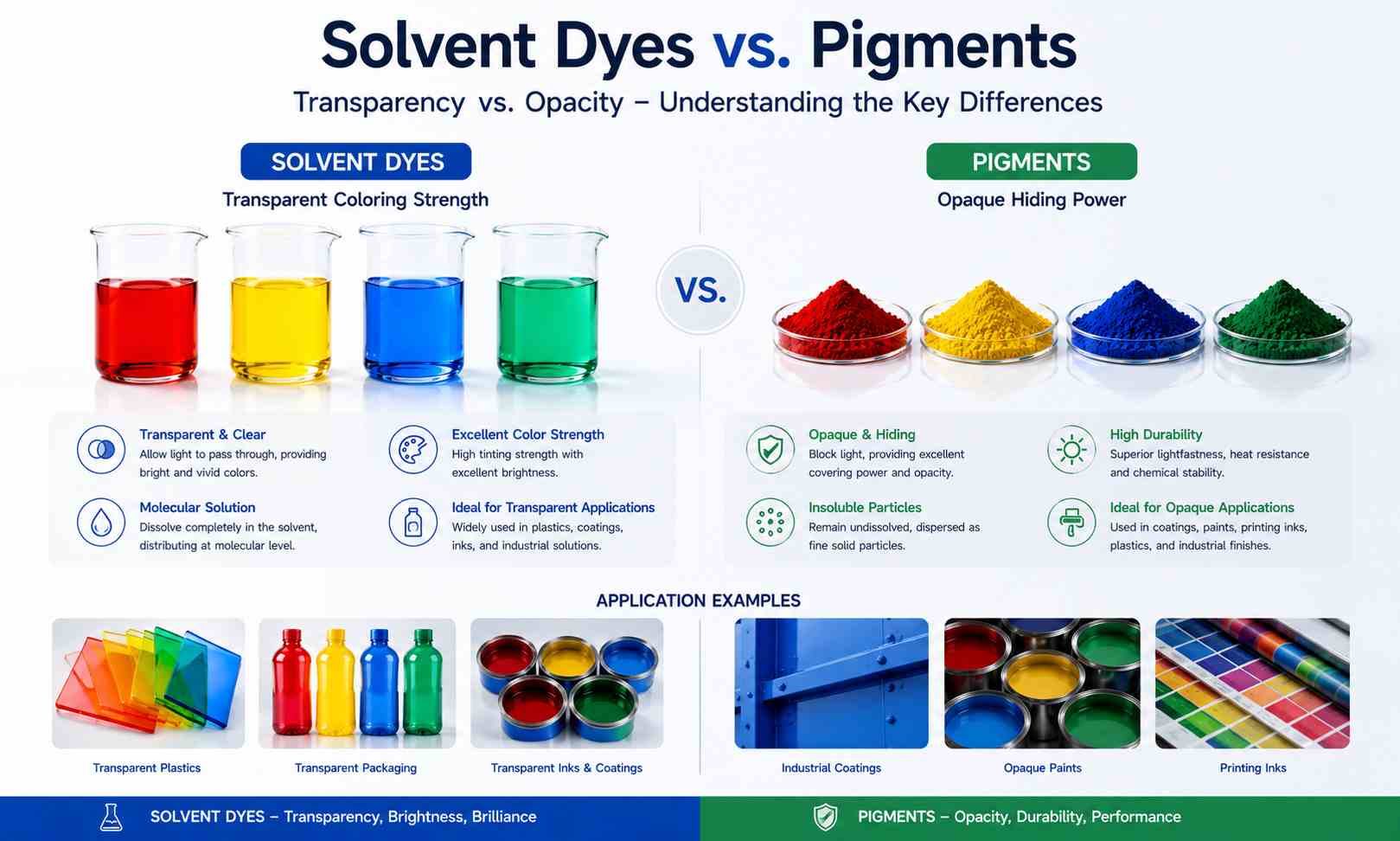
Solvent dyes dissolve in the medium, while pigments remain as dispersed particles.
Solvent dyes provide transparent coloration, whereas pigments generally provide opacity and hiding power.
Solvent dyes often achieve strong color intensity at relatively low addition levels.
High-performance pigments typically offer better weather resistance and long-term outdoor durability than solvent dyes.
Solvent dyes are preferred when transparency is required, while pigments are selected when opacity and covering power are important.
For a deeper understanding of pigment selection and industrial colorant performance, see:
