Developing reliable glass ceramic inks requires more than color matching. Manufacturers must ensure pigment stability during firing, long-term weather resistance, and compliance with increasingly strict environmental regulations.
Glass used in architectural façades, transportation glazing, and exterior decorative applications is exposed to years of sunlight, moisture, and temperature fluctuations. Poor pigment selection can lead to fading, chalking, and color degradation.
Our Solution
Our Mixed Metal Oxide (MMO) pigments provide exceptional weatherability and UV stability. Formulations using our pigments can achieve outstanding long-term color retention and are suitable for demanding outdoor environments.
Many conventional pigments experience color change or loss of strength during ceramic firing processes above 600°C, resulting in unacceptable color deviation.
Our Solution
Our pigments are specifically engineered for high-temperature glass and ceramic applications. With thermal stability up to 850°C, they maintain excellent color consistency before and after firing, helping manufacturers achieve reliable production results.
Glass ink manufacturers must comply with RoHS, REACH, ELV, and other international regulations restricting hazardous substances.
Our Solution
We offer lead-free and cadmium-free pigment solutions supported by SDS, TDS, COA, and regulatory documentation to simplify global market access.
Facing these challenges? Our technical team can provide tailored recommendations for your specific formulation.
Consult with Our Technical Specialist
| Performance Metric | Fineland Pigment Solutions | Conventional Pigments |
|---|---|---|
| Thermal Stability | Stable above 600°C, suitable up to 850°C | Performance often declines above 400°C |
| Weatherability | Excellent long-term outdoor durability | May fade under prolonged exposure |
| Chemical Resistance | Resistant to acids, alkalis, solvents, and salt spray | Limited resistance in harsh environments |
| Regulatory Compliance | Lead-free and cadmium-free options available | May contain restricted substances |
| Color Consistency | Excellent color stability after firing | Risk of color shift after sintering |
For automotive glass black frit systems and other high-temperature ceramic printing applications, Pigment Black 28 (PBk28) is one of the most widely used inorganic black pigments.
As a cobalt-chromium-iron spinel black pigment, PBk28 offers exceptional thermal stability, deep jet-black coloration, strong hiding power, and excellent resistance to weathering, UV exposure, and chemicals. It maintains consistent color performance at firing temperatures up to 850°C and is particularly suitable for applications requiring long-term durability after sintering.
Typical applications include:
Learn More About Pigment Black 28 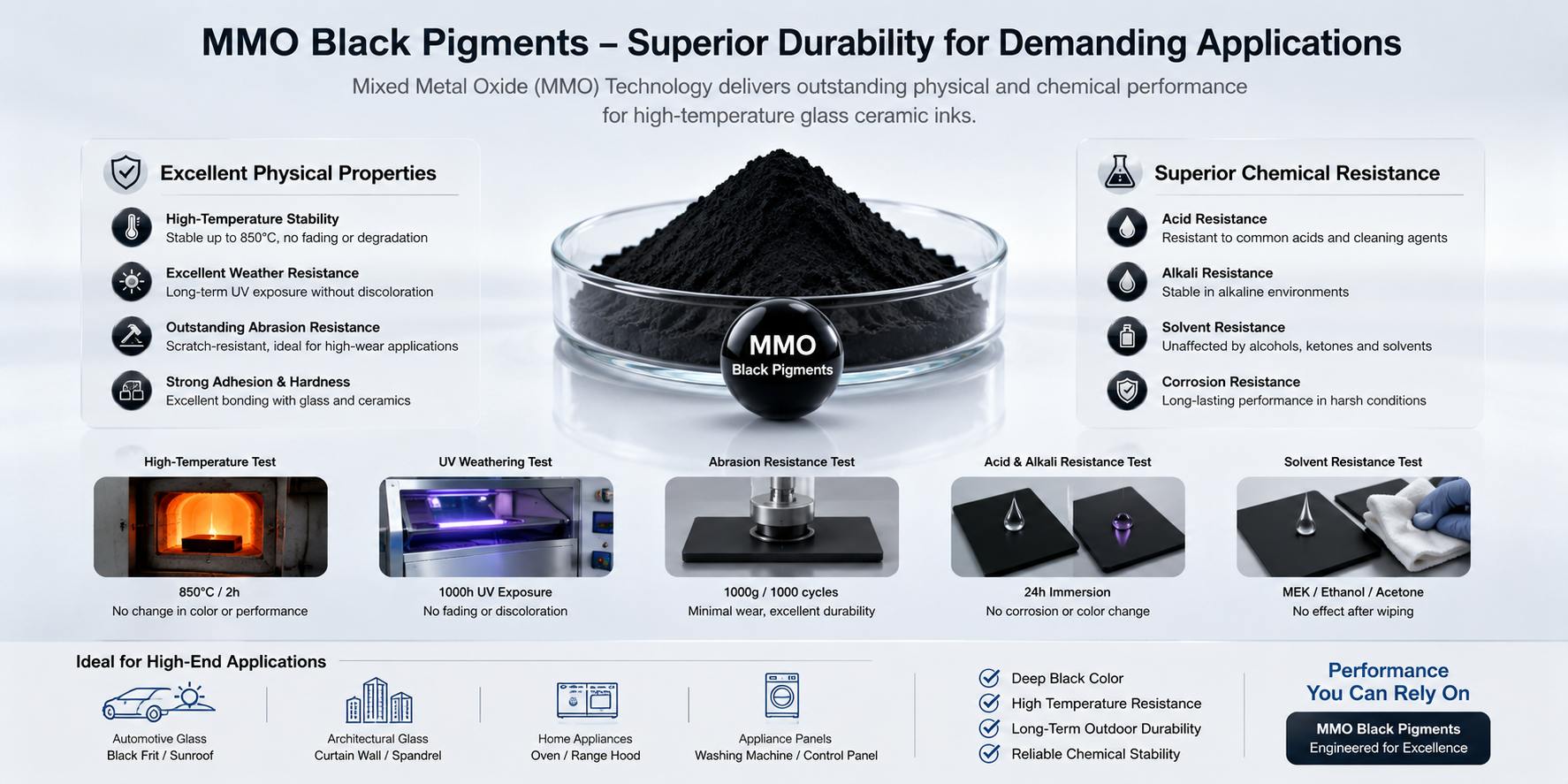
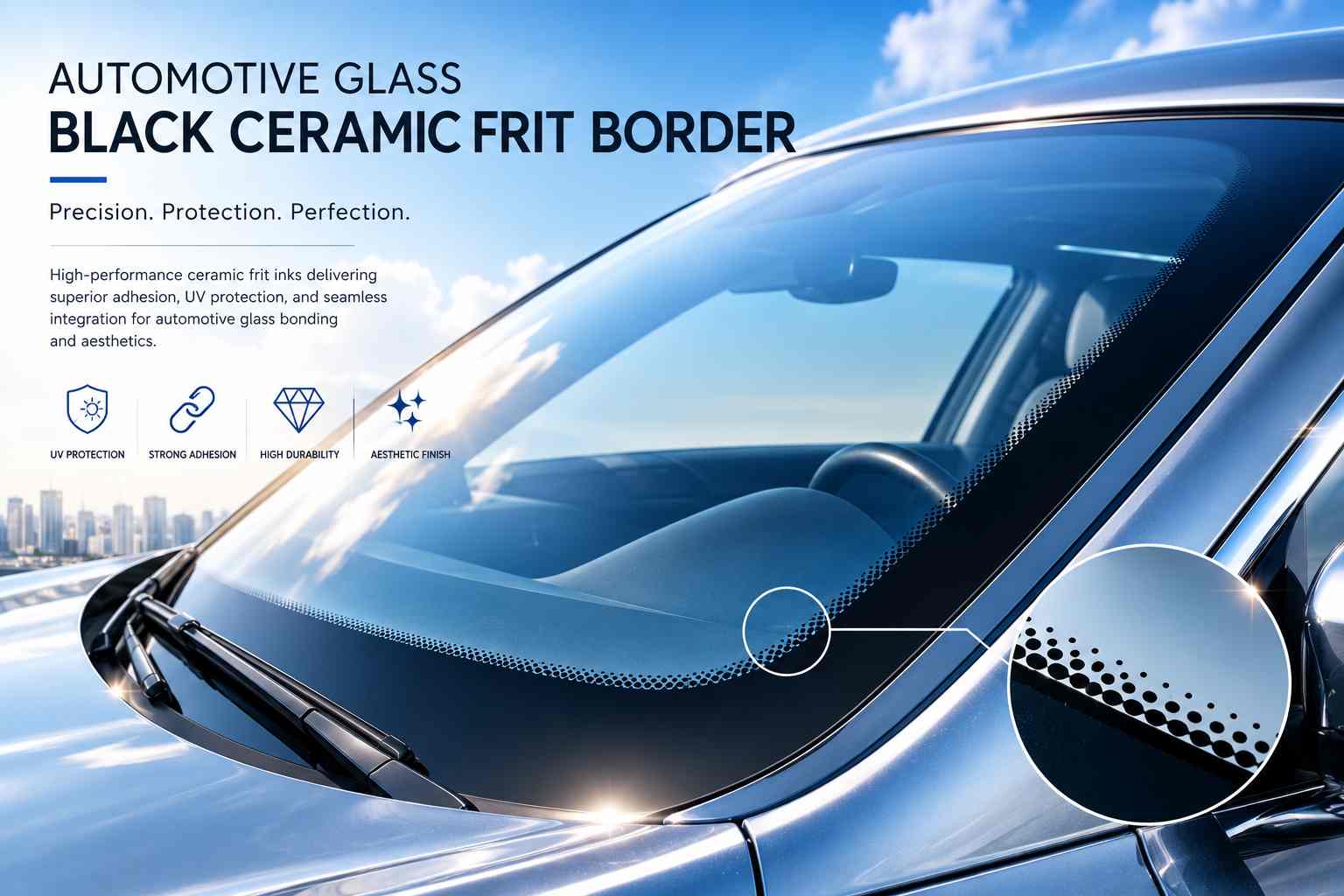
Used in windshield borders, rear windows, side windows, and panoramic sunroofs. Requires excellent weather resistance, UV stability, and long-term durability.
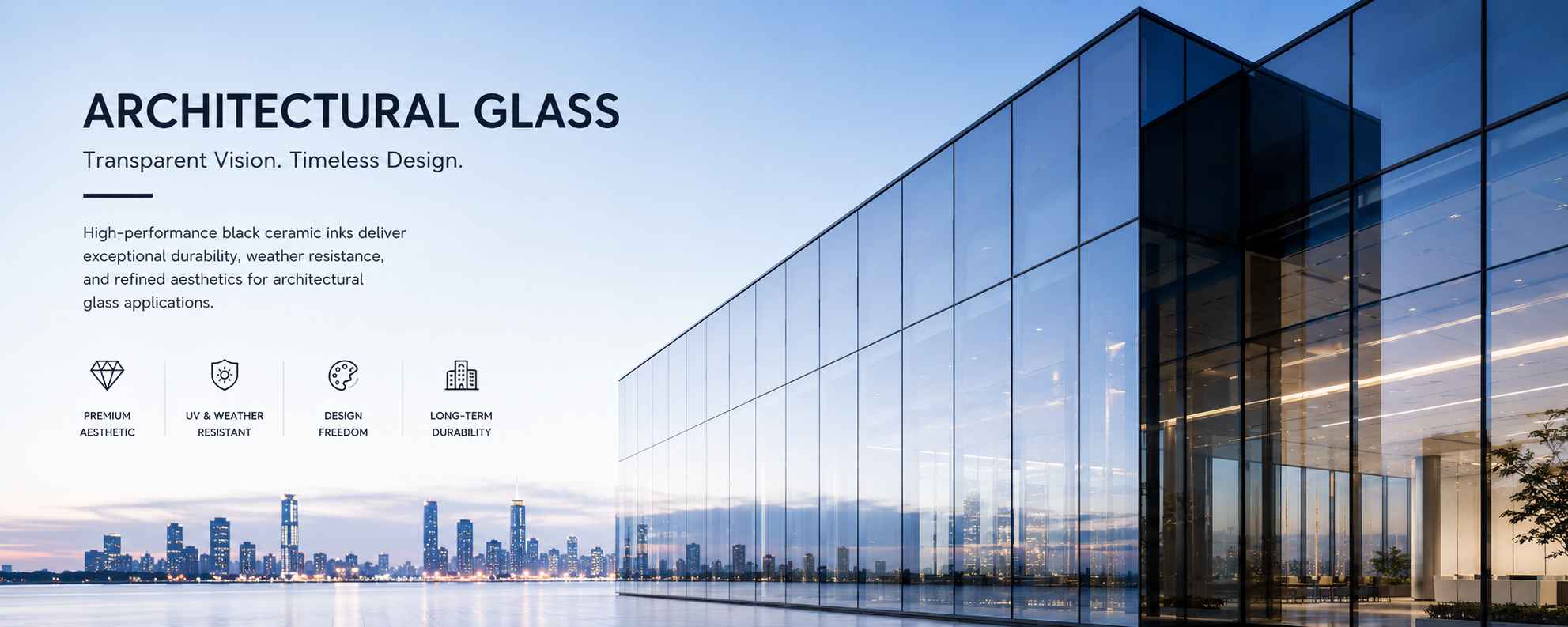
Used for decorative panels, curtain walls, signage, and ceramic printed glass that must withstand decades of outdoor exposure.
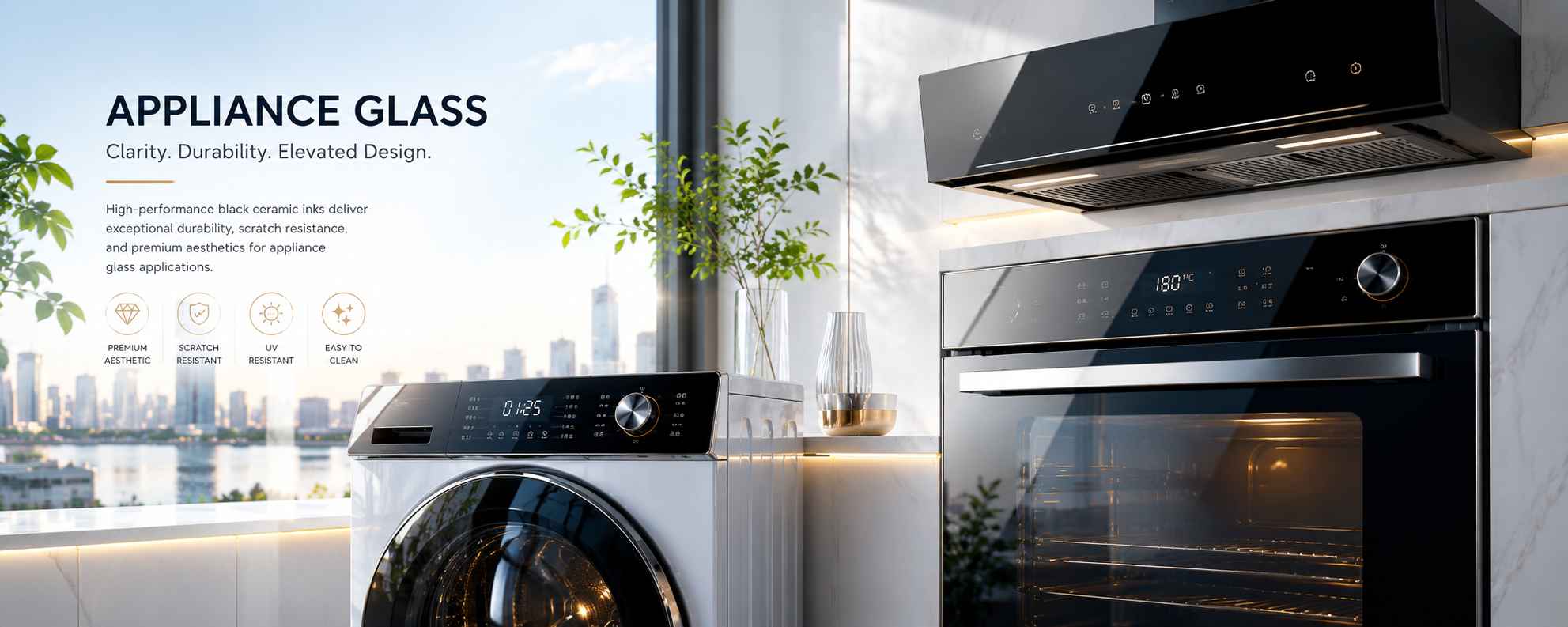
Suitable for oven doors, cooktop panels, fireplace glass, and household appliance surfaces requiring heat resistance and easy cleaning.
Applied to touchscreen borders, decorative layers, display panels, and functional masking areas requiring precise color control.
Used for premium beverage bottles, cosmetic containers, and decorative packaging requiring permanent branding, chemical resistance, and long-lasting appearance.
Suitable for railway, metro, bus, and specialty vehicle glazing applications requiring exceptional durability and weather resistance.
Our pigments support manufacturers serving the automotive, architectural, appliance, and electronics industries worldwide.
We work with customers across Europe, Asia, the Middle East, and the Americas, providing consistent product quality, technical support, and reliable global supply.
? High-Temperature Glass Ink Pigment Selection Guide
? Lead-Free Pigment Solutions Whitepaper
? Technical Data Sheets and Safety Documentation Library
? Contact us to request technical resources and application support.
Get Your Custom Solution Quote & Samples, Complete the form below.
Our technical sales manager will contact you within 24 hours to provide specific recommendations, sample support, or a quotation.
We are committed to protecting your privacy. Your information will not be shared.