What is C5 Hydrocarbon Resin?
C5 Hydrocarbon Resin is a thermoplastic aliphatic petroleum resin produced from C5 fraction by-products of steam cracking. It is widely used as a tackifier resin to improve adhesion, cohesion, and compatibility in various industrial formulations.
C5 resins are known for their light color, good thermal stability, and excellent compatibility with natural rubber, synthetic rubber, and EVA systems. Due to these properties, they are commonly applied in adhesives, rubber compounding, road marking paints, and certain coating systems.
C5 hydrocarbon resin is typically supplied in solid form and is selected based on softening point, molecular weight distribution, and application compatibility.
Product Technical Data and Typical Performance Values
C5 – DuraPRS®6100 ⬇️TDS
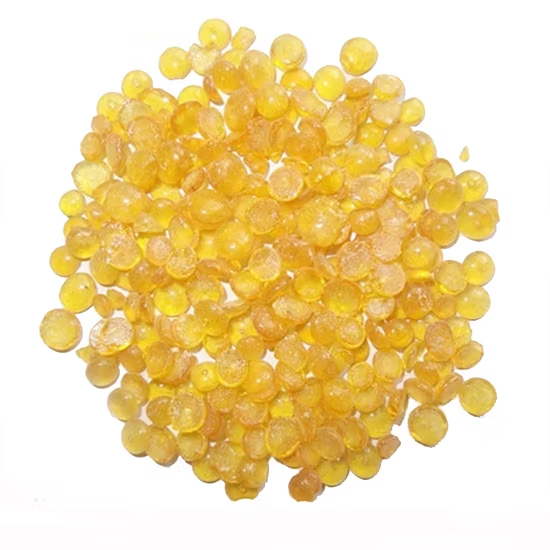
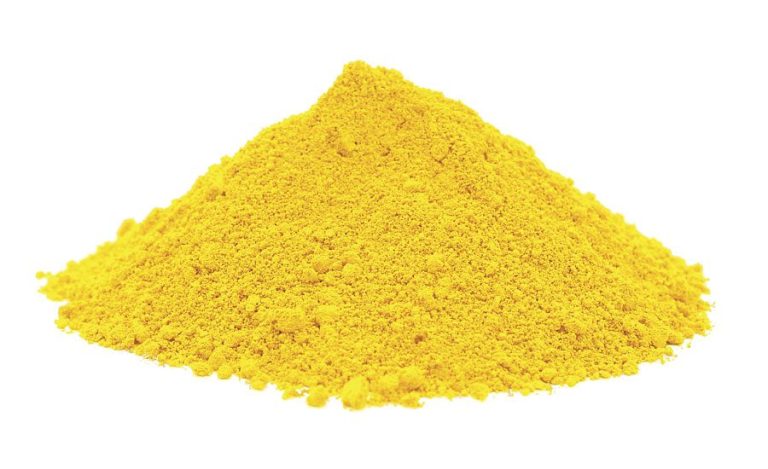
C5 DuraPRS®6100 (light yellow thermoplastic resin) features a softening point of 98–105 °C, offers good adhesion, gloss, and compatibility, making it suitable for coatings, adhesives, inks, and also widely used in plastic modification and related applications.
Physical Properties
|
Test Item
|
Specification
|
| Appearance |
Light Yellow Granular |
| Softening points(℃) |
96-104 |
| Color (Ga) Number |
≤5 |
| Acid Number |
≤8 |
| Melting Viscosity, @200℃ mPa.s |
≤250 |
| Flash points ℃ |
≥250 |
Typical Applications of C5 Hydrocarbon Resin
C5 hydrocarbon resin is mainly used as a functional additive in:
In adhesive systems, it improves tack, peel strength, and bonding performance.
In rubber applications, it enhances processability and reinforcement characteristics.
In road marking paints, it contributes to film formation and durability.
Key Performance Properties
1. Excellent Tackifying Performance
C5 resin significantly improves initial tack and adhesion strength in adhesive formulations, especially in hot melt and pressure-sensitive systems.
2. Good Compatibility
It shows strong compatibility with:
This compatibility ensures stable blending and uniform performance.
3. Adjustable Softening Point
C5 hydrocarbon resin is available in different softening points, allowing formulators to tailor viscosity and thermal behavior according to application requirements.
4. Thermal Stability
The resin maintains stable performance under typical processing temperatures used in adhesive and rubber manufacturing.
Typical Limitations
Despite its versatility, C5 hydrocarbon resin has certain limitations:
Limited Compatibility with Polar Polymers
C5 resin is primarily aliphatic and may not be fully compatible with highly polar polymers without modification.
Oxidation Sensitivity
Prolonged exposure to high temperatures and air may cause gradual color darkening or performance changes if not properly stabilized.
Not a Structural Polymer
C5 resin functions as a modifier or tackifier, not as a standalone structural material.
Understanding these limitations helps formulators select the appropriate resin type.
Advantages
1. Excellent Tackifying Performance
Strong adhesion and compatibility with natural and synthetic rubbers, EVA, SIS, SEBS, and other polymers.
2. Enhanced Coating Properties
Improves gloss, hardness, brightness, and smoothness of films and coatings.
3. Good Thermal Stability
Maintains performance under high temperatures, ensuring durability in adhesives and road marking paints.
4. Chemical & UV Resistance
Provides excellent resistance to water, aging, chemicals, and UV degradation.
5. Versatile Applications
Widely used in hot-melt adhesives, pressure-sensitive adhesives, rubber compounding, coatings, printing inks, and road-marking paints.
6. Fast Drying & Easy Processing
Promotes rapid film formation, uniform pigment dispersion, and improved processability.
Buyer Guidance: What to Confirm When Sourcing C5 Hydrocarbon Resin
When selecting C5 hydrocarbon resin, buyers should confirm:
-
Required softening point (e.g., 90°C, 100°C, 110°C)
-
Target application (HMA, PSA, rubber, road marking)
-
Compatibility with base polymers
-
Color requirement (water-white to light yellow)
-
Storage and processing conditions
Providing clear formulation details allows suppliers to recommend the most suitable grade.
C5 Hydrocarbon Resin Manufacturer and Supplier Information
Fineland Chem is a B2B supplier of petroleum resins and industrial raw materials, providing C5 Hydrocarbon Resin for adhesive, rubber, and coating applications.
Products are manufactured under controlled quality systems to ensure consistent softening point, molecular distribution, and stable application performance. Fineland Chem supports customers with technical communication and export-oriented logistics services.
Frequently Asked Questions (FAQ)
1. What is C5 hydrocarbon resin mainly used for?
C5 hydrocarbon resin is mainly used as a tackifier in hot melt adhesives, pressure-sensitive adhesives, rubber compounding, and road marking paints.
2. What is the difference between C5 and C9 hydrocarbon resin?
C5 resin is generally aliphatic and offers better compatibility with rubber systems, while C9 resin is more aromatic and often used in coatings and inks.
3. How do I choose the correct softening point?
The softening point should be selected based on processing temperature, viscosity requirements, and final product performance expectations.
4. Is C5 hydrocarbon resin suitable for hot melt adhesives?
Yes. It is widely used in HMA formulations to improve tack and bonding performance.
5. Can C5 resin be used in road marking paints?
Yes. C5 hydrocarbon resin contributes to film formation and durability in thermoplastic road marking systems.