Fastness Properties
| Heat Resistance (℃) |
160-180 |
Alkali Resistance (1-5) |
3-4 |
| Light Resistance (Full Shade, 1-8) |
4-5 |
Migration Resistance(1-5) |
3 |
| Light (Reduced tinting, 1-8) |
3-4 |
Ethyl Acetate (1-5) |
3 |
| Weather Resistance (1-5) |
2-3 |
Ethanol (1-5) |
3 |
| Acid Resistance (1-5) |
3-4 |
MEK (1-5) |
3 |
Typical Applications
Pigment Red 53:1 is used in several industrial coloration systems.
Typical applications include:
-
Industrial coatings
Used in general industrial paints and decorative coating formulations.
-
Printing inks
Applied in packaging inks, publication inks, and other conventional printing ink systems.
-
Plastic coloration
Suitable for certain plastic materials such as PVC and some polyolefins processed at moderate temperatures.
-
Rubber products
Used in rubber coloration and related industrial compounds.
Key Performance Properties Related to Applications
The application performance of Pigment Red 53:1 is influenced by its chemical structure and calcium salt composition.
Key properties include:
-
Color shade
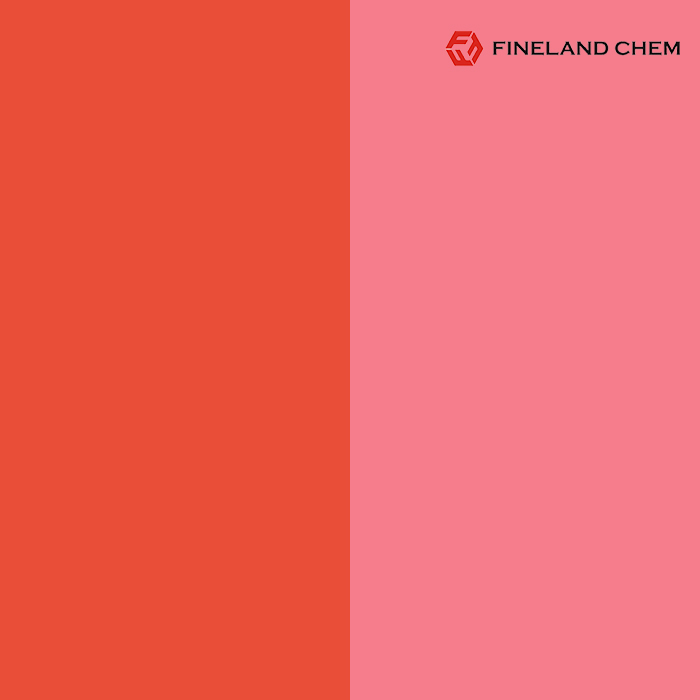
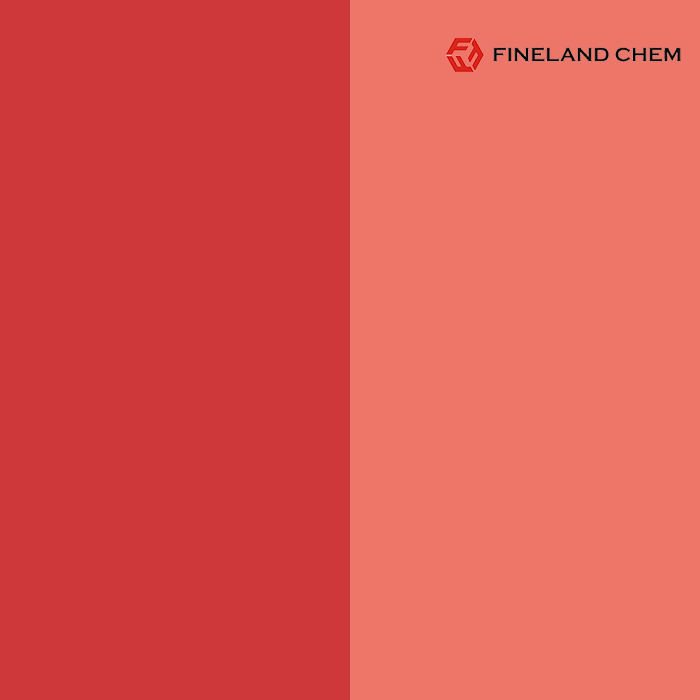
Yellowish-red tone with moderate chroma.
-
Tinting strength
Moderate tinting strength suitable for conventional coloration systems.
-
Dispersion characteristics
Can be dispersed in coatings, inks, and plastic formulations using standard dispersion techniques.
-
Heat resistance
Moderate thermal stability typical of BONA-type azo pigments.
-
Solvent resistance
Generally compatible with solvents commonly used in coatings and printing inks.
Advantages
-
Excellent Product Performance with Outstanding Color Performance: Pigment Red 53:1 (C.I. 15585:1; CAS 5160-02-1, also known as Lithol Rubine) is a high-performance organic pigment, featuring high tinting strength, vivid color and excellent hiding power. It has great solvent resistance and strong heat stability—withstanding 200℃ for 10 minutes in inks and 260℃ for 5 minutes in HDPE plastics. Meanwhile, it possesses good lightfastness, ensuring stable and reliable color performance.
-
Strict Production Control for Safe and Reliable Quality: Adopting modern manufacturing processes, we implement strict control over the entire production process to ensure product consistency and high quality. Complying with international standards and undergoing multiple quality inspections, each batch meets customer quality requirements, providing stable quality assurance for overseas procurement.
-
Wide Application Scenarios to Meet Diverse Needs: It is widely used in industrial fields such as inks, coatings, rubbers and plastics. Meanwhile, it can be safely used for coloring food, cosmetics and pharmaceuticals, meeting the procurement needs of overseas customers in different industries.
-
Convenient Storage Conditions for Easy Logistics Management: The storage requirements are simple. It only needs to be placed in a cool and dry environment, avoiding direct sunlight and moisture. Proper sealing to prevent moisture intrusion can maintain its optimal performance, reducing the management difficulty in overseas warehousing and logistics.
Typical Limitations
Pigment Red 53:1 may present certain limitations depending on the durability requirements of the application.
Typical limitations include:
-
Moderate lightfastness, particularly in outdoor environments
-
Limited heat resistance compared with high-performance pigments
-
Possible bleeding or migration in certain plastic formulations
-
Not typically selected for applications requiring long-term weather resistance
Buyer Guidance
When selecting Pigment Red 53:1 for industrial formulations, several factors are commonly evaluated:
-
Processing temperature of plastics or coatings
-
Lightfastness requirements for indoor or outdoor applications
-
Compatibility with binder or resin systems
-
Dispersion performance within the formulation
For applications requiring improved durability, weather resistance, or greater thermal stability, alternative pigment chemistries may be considered.
Synonyms
| Red Lake C |
Red Lake C 507 |
Pigment Red 53:1 |
C.I. 15585:1 |
| C.I.P.R.53:1 |
Red 53, barium salt |
Dominion DCC-2507 |
Daihan Red C-123 |
| Irgalite Red LCB |
Hostsin Red LC |
Epsilon Red LB-026 |
Cosmetic Scarlet 300575 |
| D&C Red No9 Barium Lake |
Lionol Red C FG-3117 |
DCC 8512 Red Lake C |
|
| Barium [5-chloro-4-methyl-2-(2-hydroxynaphthylazo)benzenesulfonate] |
1-(4-chloro-o-sulpho-5-tolylazo)-2-naphthol,bariumsalt |
1-(4-CHLORO-O-SULFO-5-TOLYLAZO)-2-NAPHTHOL BARIUM SALT |
|
| 5-chloro-2-((2-hydroxy-1-naphthyl)azo)-p-toluenesulfonicacid,bariumsalt |
5-chloro-2-((2-hydroxy-1-naphthalenyl)azo)-4-methylbenzenesulphonicacid,bar |
5-chloro-2-((2-hydroxy-1-naphthalenyl)azo)-4-methylbenzenesulfonicacid,bari |
5-chloro-2-((2-hydroxy-1-naphthalenyl)azo)-4-methyl-benzenesulfonicacibar |
| 5-chloro-2-[(2-hydroxy-1-naphthalenyl)azo]-4-methyl-benzenesulfonicacibar |
BARIUMBIS(2-CHLORO-5-(HYDROXY-1-NAPHTHYL)AZO)TOLUENE-4-SULPHONATE |
Bis[2-(2-hydroxy-1-naphtylazo)-4-methyl-5-chlorobenzenesulfonic acid] barium salt |
Bis[5-chloro-2-[(2-hydroxy-1-naphthalenyl)azo]-4-methylbenzenesulfonic acid]barium salt |
| barium 5-chloro-4-methyl-2-[(2z)-2-(2-oxonaphthalen-1-ylidene)hydrazinyl]benzenesulfonate |
Benzenesulfonic acid, 5-chloro-2-[2-(2-hydroxy-1-naphthalenyl)diazenyl]-4-methyl-, barium salt (2:1) |
Benzenesulfonic acid, 5-chloro-2-(2-hydroxy-1-naphthalenyl)azo-4-methyl-, barium salt (2:1) |
DCC 8512 Red Lake C (Commercial model of Red Lake C under Dominion brand) |
Manufacturer and Supplier Information
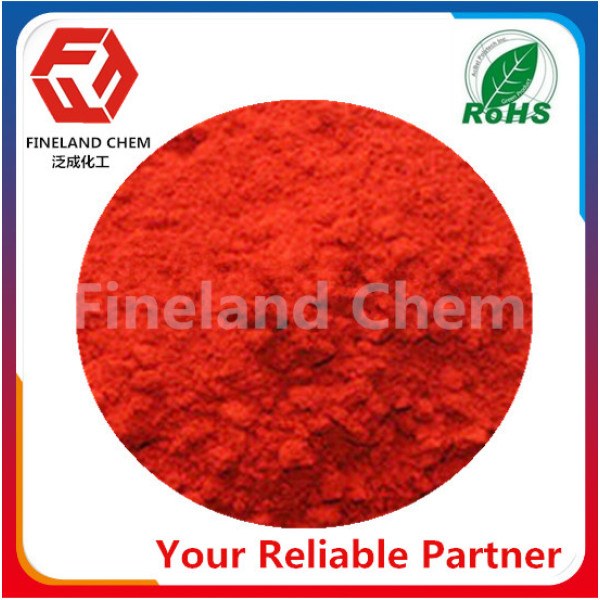
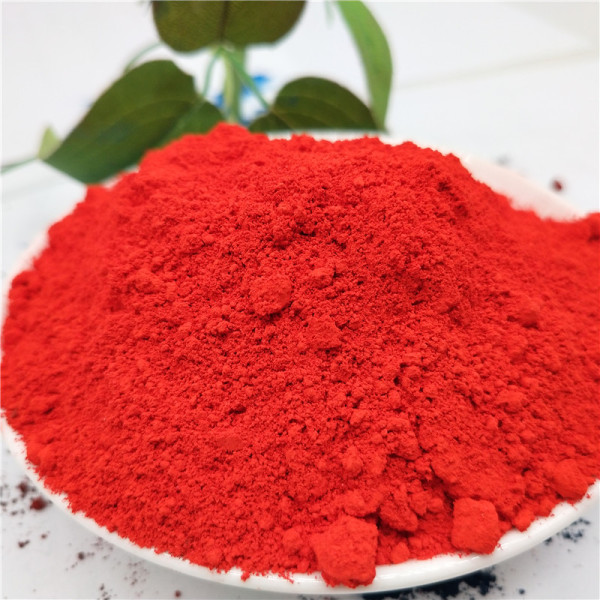
Pigment Red 53:1 is produced by pigment manufacturers worldwide and supplied mainly in powder form for industrial coloration applications including coatings, printing inks, plastics, rubber, and related materials.
Commercial grades may vary in particle size distribution, surface treatment, and dispersion behavior depending on the intended application.
Package and Delivery
● 25KG Kraft Bag, 400kg/500kg Carton Box
● Lead Time: Normally around 15 days after signed contract.
FAQ
1.What color shade does Pigment Red 53:1 provide?
Pigment Red 53:1 generally produces a yellowish-red shade.
2.What does the “:1” designation mean in Pigment Red 53:1?
The number after the colon indicates the metal salt form of the pigment. Pigment Red 53:1 refers to the calcium salt.
3.Can Pigment Red 53:1 be used in plastics?
Yes. It can be used in certain plastics such as PVC and some polyolefins processed at moderate temperatures.
4.Is Pigment Red 53:1 suitable for outdoor coatings?
It may be used in general coating systems, although pigments with higher weather resistance are often selected for long-term outdoor exposure.