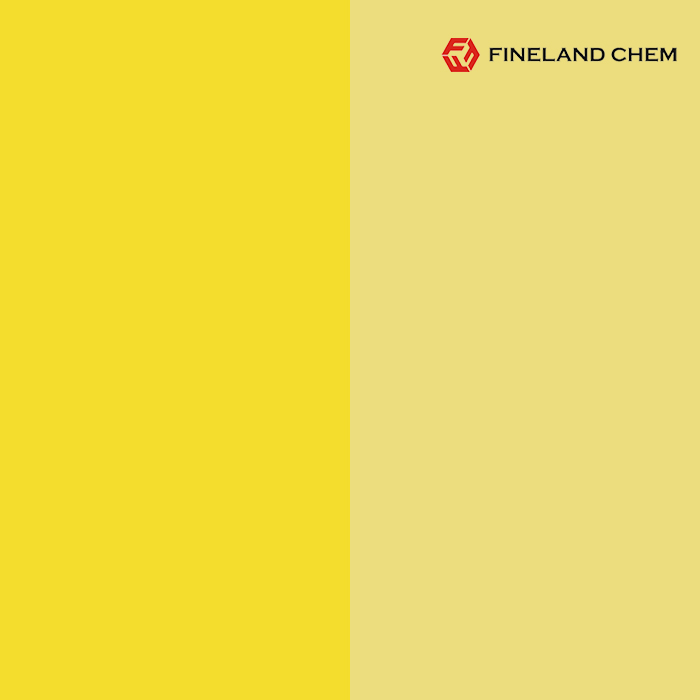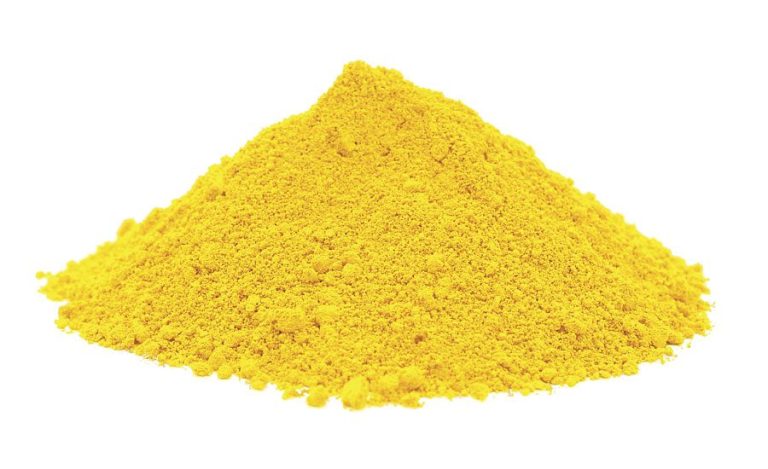
Iron Oxide Yellow is an inorganic yellow pigment based on iron oxide hydroxide, commonly identified as Pigment Yellow 42 (PY42, C.I. 77492). The pigment is based on α-FeOOH, a goethite-type iron oxide hydroxide, and is widely used where durable yellow coloration, weather resistance, and chemical stability are more important than very high color strength.
Iron Oxide Yellow produces yellow to earthy yellow shades and is commonly used in building materials, concrete, paints and coatings, plastics, rubber, paper, mortar, paving tiles, roof tiles, and ceramic products.
Compared with many organic yellow pigments, Iron Oxide Yellow generally provides stronger resistance to outdoor exposure, migration, and chemical environments, but its thermal stability and color brightness should be considered when selecting it for high-temperature or high-chroma applications.
For background information on the mineral form associated with α-FeOOH, see Goethite on Wikipedia.
is identified in the Color Index as C.I. Pigment Yellow 42 and is typically supplied as a yellow powder with stable chemical composition and strong durability.
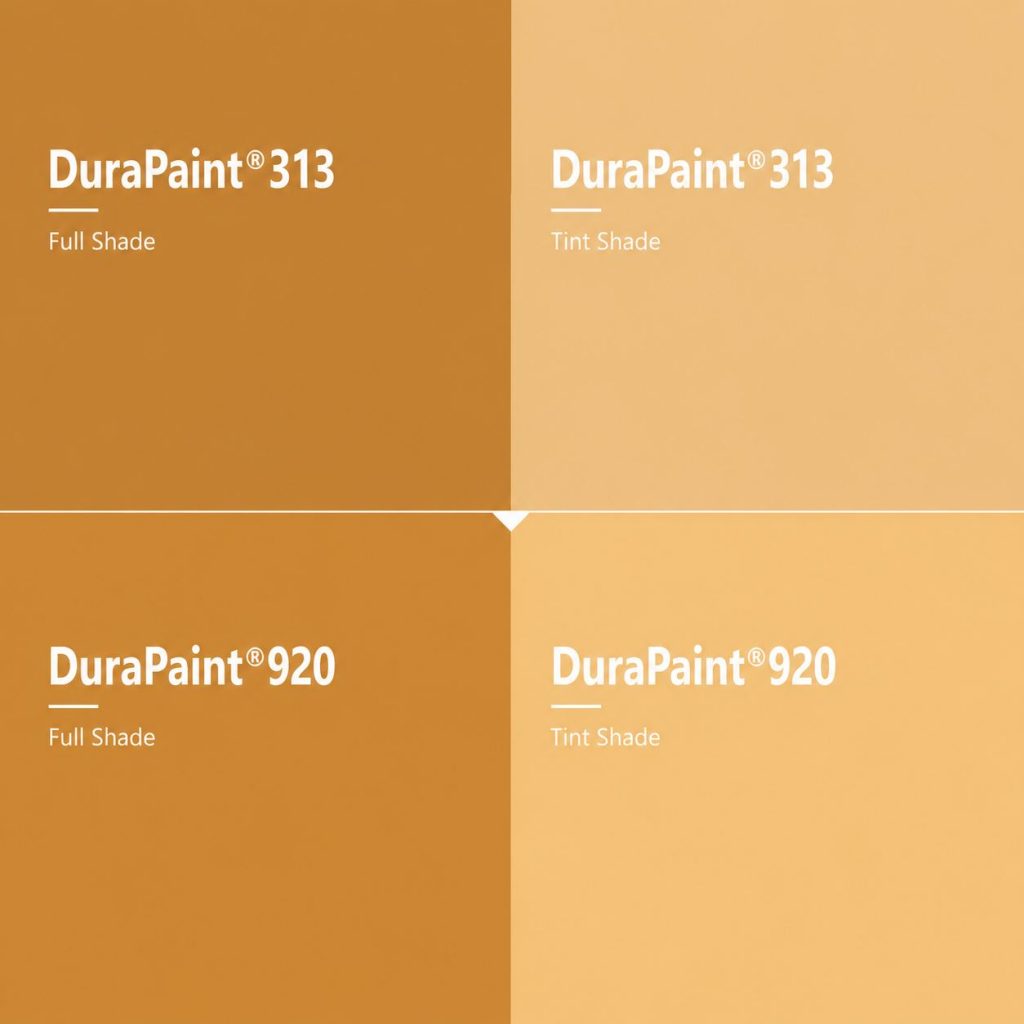
PY42 – Iron Oxide DuraPaint®313 ⬇️TDS
This is a yellow iron oxide pigment offering a warm yellow shade, good light and weathering resistance, suitable for plastics, coatings, construction materials, and other applications requiring stable yellow coloration.
PY42 – Iron Oxide DuraPaint®920 ⬇️TDS
This is a yellow iron oxide pigment with a warm yellow shade, stable coloring performance, and good light and weathering resistance, suitable for coatings, plastics, construction materials, and related applications.
Iron Oxide Yellow is used across industrial applications where durable yellow coloration and stable inorganic pigment performance are required.
Iron Oxide Yellow is widely used for coloring concrete, cement products, mortar, paving tiles, roof tiles, bricks, and other construction materials.
Its good weather resistance and chemical stability make it suitable for architectural products exposed to sunlight, moisture, and changing outdoor conditions.
The pigment can be used in decorative paints, architectural coatings, industrial coatings, and other coating systems where an earthy yellow shade and outdoor durability are required.
It is particularly useful when long-term color stability is more important than achieving the very bright shades commonly associated with organic yellow pigments.
Iron Oxide Yellow can be used for coloring selected plastic and rubber products where migration resistance, lightfastness, and weather durability are important.
However, the processing temperature of the polymer system should be checked carefully because the TDS specifies a heat resistance of 160-180°C for these grades.
The pigment is also suitable for fiber cement, paper, mortar, and related industrial materials where stable inorganic coloration is required.
Iron Oxide Yellow can be used in ceramic products, paving materials, roof tiles, and other mineral-based products requiring yellow or yellow-earth shades.
The current TDS specifically lists building materials, concrete, bricks, paints and coatings, fertilizers, plastics, rubber polymers, fiber cement, paper, mortar, wood plastic composites, paving tiles, industrial coatings, roof tiles, and ceramic products among the recommended applications.

Iron Oxide Yellow demonstrates excellent resistance to light exposure. The TDS rates light resistance at 8/8 in both full shade and reduced tinting, supporting applications where long-term color retention is required.
This makes the pigment suitable for architectural coatings, concrete products, paving materials, and other applications exposed to sunlight.
The pigment achieves a weather resistance rating of 5/5 in the supplied TDS.
This property is particularly relevant to construction materials, exterior coatings, roof tiles, paving products, and other outdoor applications where UV exposure, moisture, and environmental conditions can affect color stability.
Iron Oxide Yellow has a migration resistance rating of 5/5, which supports its use in selected plastic and rubber applications where color migration or bleeding needs to be controlled.
Migration performance should still be evaluated in the actual polymer formulation because resin type, additives, processing conditions, and pigment loading can influence final results.
The TDS gives Iron Oxide Yellow an acid resistance rating of 4/5 and an alkali resistance rating of 4/5.
This is particularly relevant to construction materials, cementitious systems, coatings, and other industrial formulations where the pigment may encounter alkaline or chemically active environments.
The current TDS specifies 160-180°C heat resistance for DuraPaint®313 and DuraPaint®920.
This makes these grades suitable for many construction, coating, and general industrial applications, but buyers should carefully evaluate processing temperatures before using them in plastics or other high-temperature systems.

The specified heat resistance of 160-180°C limits the suitability of these grades for high-temperature engineering plastics and processing conditions involving prolonged exposure above the recommended temperature.
For higher-temperature plastic applications, buyers should evaluate a higher-heat-stability pigment grade rather than assuming that standard Iron Oxide Yellow is suitable.
Iron Oxide Yellow generally provides lower tinting strength and less brilliant coloration than many high-performance organic yellow pigments.
For applications requiring very bright, high-chroma yellow shades, an organic yellow pigment may be more appropriate.
The color profile is generally more natural and earthy than the bright lemon or greenish-yellow shades available from some organic pigments.
For buyers requiring a specific bright yellow shade, color matching and application testing should be completed before commercial production.
Particle size and pigment morphology can influence shade, opacity, oil absorption, dispersion, and overall application performance. Buyers should therefore evaluate the specific commercial grade rather than selecting only by the generic name “Iron Oxide Yellow.”
When sourcing Iron Oxide Yellow, buyers should confirm the following factors before selecting a grade:
Specify whether the pigment will be used in concrete, cement, coatings, plastics, rubber, paper, ceramics, or another industrial system.
For plastics and other heat-processing applications, confirm the actual processing temperature and residence time. The supplied TDS specifies 160-180°C heat resistance for the two grades covered on this page.
Confirm whether the target is an earthy yellow, warm yellow, orange-yellow, or another shade. A color sample or reference standard is recommended for accurate matching.
For exterior construction materials and coatings, confirm the required outdoor durability. The current grades provide a 5/5 weather resistance rating and 8/8 light resistance rating in the TDS.
For plastics, coatings, rubber, and other organic binder systems, buyers should evaluate dispersion behavior and compatibility within the actual formulation.
For international B2B projects, buyers should confirm the required TDS, SDS, CoA, product specifications, and applicable regulatory documentation before commercial purchasing. Product selection should also consider the required color, particle size, processing temperature, application conditions, and expected durability.
For a broader comparison of standard iron oxide pigments, explore the conventional color range, including Iron Oxide Yellow, Iron Oxide Red, Iron Oxide Orange, Iron Oxide Blue, Iron Oxide Green, Iron Oxide Brown, and Iron Oxide Black.
For applications requiring finer particle sizes, buyers can also compare Micronized Iron Oxide Yellow, Micronized Iron Oxide Red, and Micronized Iron Oxide Black.
For higher-temperature processing requirements, see Heat Resistance Iron Oxide Yellow and Heat Resistance Iron Oxide Black.

Package: 25KG Kraft Bag, 1250kg Carton Box
Lead Time: Normally around 15 days after signed contract.
Fineland Chem is a B2B manufacturer and exporter of industrial pigments, supplying Iron Oxide Yellow for construction materials, coatings, plastics, rubber, paper, ceramics, and other industrial applications.
The product range includes Pigment Yellow 42 (C.I. 77492) grades based on α-FeOOH. The current TDS documents cover DuraPaint®313 and DuraPaint®920, with documented specifications for pigment content, oil absorption, moisture, pH, bulk density, heat resistance, lightfastness, weather resistance, chemical resistance, and migration resistance.
Fineland Chem supports international B2B customers with product documentation, technical communication, sample evaluation, and export-oriented supply services.
Iron Oxide Yellow is an inorganic yellow pigment based on iron oxide hydroxide, commonly identified as Pigment Yellow 42 (PY42, C.I. 77492). The product grades covered on this page use α-FeOOH as the chemical formula.
Pigment Yellow 42 is the Color Index designation used to identify Iron Oxide Yellow pigments in this product family. PY42 and Iron Oxide Yellow therefore commonly refer to the same pigment classification.
It is mainly used in building materials, concrete, paints and coatings, plastics, rubber, fiber cement, paper, mortar, paving tiles, roof tiles, and ceramic products.
Yes. The supplied TDS gives the current grades a light resistance rating of 8/8 and weather resistance rating of 5/5, supporting their use in outdoor construction materials and coatings.
Yes, the TDS lists plastics and rubber polymers among the recommended applications. However, the specified heat resistance is 160-180°C, so the actual processing temperature should be checked before use.
The current TDS specifies 160-180°C heat resistance for both DuraPaint®313 and DuraPaint®920. Applications involving higher temperatures should be evaluated separately.
The current TDS gives the pigment a migration resistance rating of 5/5. Actual migration performance should still be confirmed in the target polymer formulation.
Iron Oxide Yellow is primarily based on yellow iron oxide hydroxide and provides yellow to earthy yellow shades, while Iron Oxide Red is based on iron oxide and provides red to reddish-brown shades. Fineland Chem’s Pigment Red 101 / Iron Oxide Red page provides the corresponding red pigment information.
Yes. Concrete, cement products, mortar, paving tiles, bricks, roof tiles, and other building materials are among the main recommended application areas.
For industrial and export applications, buyers should normally request the relevant TDS, SDS, CoA, product specification, and applicable regulatory or compliance documentation.