
Introduction
Ultramarine Blue is widely known for its distinctive blue shade, but its real value lies in how broadly it can be used across industrial applications. From plastic products and protective coatings to sports surfaces and whitening systems, this pigment remains relevant because it combines practical color performance with strong heat and weather resistance.
Its versatility is one reason Ultramarine Blue continues to be used in both traditional manufacturing and modern engineered materials.
For a broader overview of its strengths and limitations, see:
Ultramarine Blue: Advantages, Limitations, and Why It Remains a Valuable Industrial Pigment
Ultramarine Blue in Plastic Coloring
One of the largest application areas for Ultramarine Blue is plastic coloration. It can be used in a wide range of polymers including:
Because of its good heat resistance, it performs well under many common plastic processing conditions such as extrusion, injection molding, and compounding.
In plastic products, Ultramarine Blue may be used to create:
- Bright blue consumer goods
- Cool gray housings
- White-tone correction
- Decorative molded parts
- Packaging components
This makes it useful for household goods, industrial parts, toys, and daily-use plastic items.
For related reading:
https://www.finelandchem.com/what-are-abs-pigments-fundamentals-properties-typical-uses/
Sports Surfaces, Playgrounds, and Outdoor Flooring
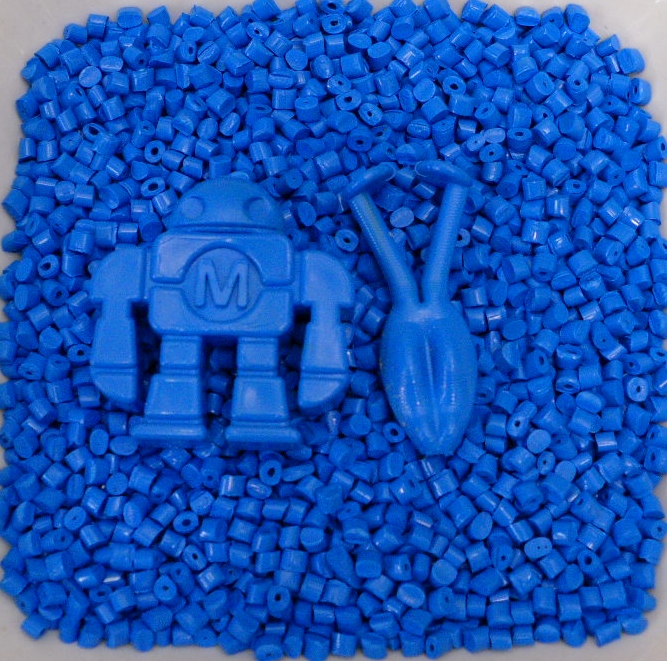
Ultramarine Blue is also used in rubber granules, plastic tracks, and sports flooring systems. It is commonly seen in:
- School running tracks
- Kindergarten playground flooring
- Public park courts
- Basketball and tennis courts
- Outdoor recreation areas
These systems require pigments that can maintain appearance under sunlight, rain, and repeated use. Ultramarine Blue offers good lightfastness and weather durability, helping surfaces retain a clean and stable tone over time.
Its soft blue shade can also be blended with other pigments to create customized recreational colors.

Architectural and Industrial Coatings
In coatings, Ultramarine Blue is valued for both direct coloration and shade adjustment. It can be used in:
- Decorative paints
- Exterior wall coatings
- Industrial coatings
- Protective finishes
- Primer and maintenance paints
The pigment’s weather resistance makes it suitable for many outdoor systems, while its clean blue undertone helps formulators achieve cooler and more refined shades.
In gray or black systems, small additions of ultramarine can improve visual depth and reduce unwanted brown or dull undertones.
For related reading:
https://www.finelandchem.com/how-pigments-enhance-coating-durability-and-gloss/
https://www.finelandchem.com/architectural-coatings-market-outlook-2026/
[Image Alt Text: exterior wall coating with blue pigment tone]
Whitening, Brightening, and Gray Tone Adjustment
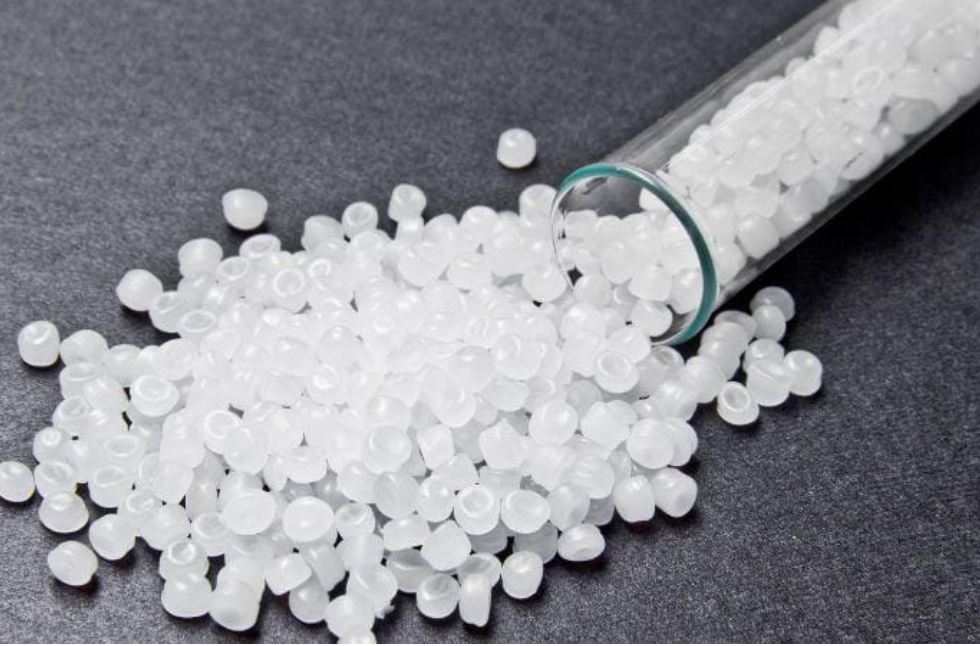
Another important application is color correction in white and neutral systems.
Small amounts of Ultramarine Blue can help:
- Reduce yellow undertones in white plastics
- Improve visual brightness in coatings
- Create cleaner cool grays
- Enhance perceived whiteness in detergents or paper systems
These effects are based on complementary color balance. Because yellow and blue visually offset one another, controlled dosing can make white products appear cleaner and fresher.
This principle is commonly used in white consumer goods, packaging, textiles, and household products.
Printing, Ink, and Artistic Materials
Ultramarine Blue has a long history in creative and printing applications. It can be used in:
- Printing inks
- Color pastes
- Decorative inks
- Oil painting colors
- Watercolor and gouache systems
- Acrylic art materials
Its transparent appearance and bright tone make it attractive in decorative applications where vivid color is preferred over high opacity.
Historically, ultramarine shades have also been associated with architecture and artistic decoration in many cultures.
For background reference:
https://en.wikipedia.org/wiki/Ultramarine
Rubber and Specialty Industrial Uses
Beyond mainstream coloring uses, Ultramarine Blue may also appear in:
- Rubber goods
- Seal materials
- Specialty compounds
- Functional industrial systems
- Selected catalyst or adsorption research applications
While these are more specialized markets, they demonstrate the pigment’s broad technical relevance.
Why It Remains Popular Across Industries
Ultramarine Blue continues to be selected because it offers a practical balance of:
- Recognizable blue shade
- Good heat resistance
- Useful weather durability
- Broad polymer compatibility
- Whitening support in white systems
- Cost-effective inorganic pigment performance
Rather than serving only one niche, it solves multiple formulation needs across different industries.
Conclusion
Ultramarine Blue remains an important industrial pigment not just because of its color, but because of how many systems it can support. From plastics and coatings to sports flooring, whitening systems, and inks, its application range is unusually broad.
For formulators seeking a dependable inorganic blue pigment with practical versatility, Ultramarine Blue continues to be a strong and relevant choice in modern manufacturing.