
Introduction
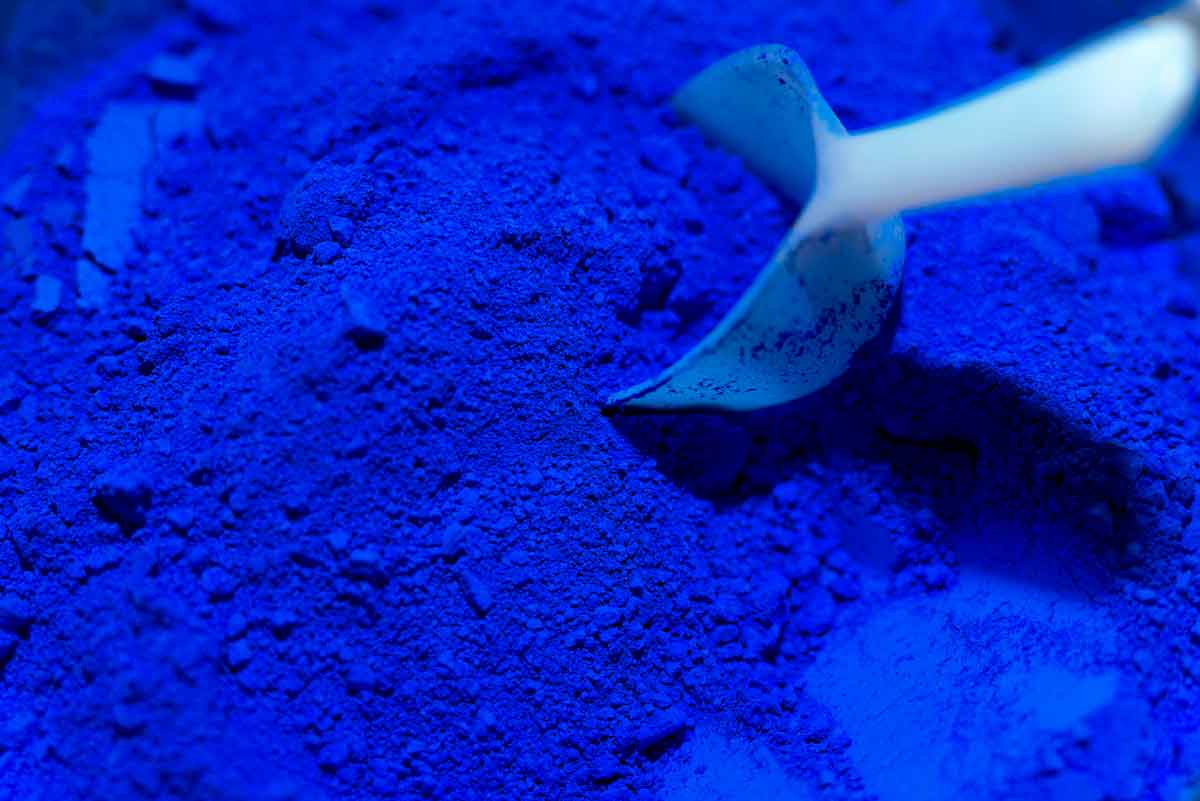
Among inorganic blue pigments used in modern manufacturing, Ultramarine Blue remains one of the most versatile and recognizable options. Originally inspired by the natural mineral lapis lazuli, synthetic ultramarine has been used for decades in plastics, coatings, inks, construction materials, detergents, and personal care products because of its unique hue, cost efficiency, and broad compatibility.
From a technical perspective, ultramarine blue offers a combination of vivid color, excellent heat stability, and strong alkali resistance that makes it difficult to replace in many formulations. At the same time, like all pigments, it also has practical limitations that buyers and formulators should understand.
For background information on the pigment family, see: Ultramarine or the overview at
What Is Ultramarine Blue?
Ultramarine Blue is a synthetic inorganic pigment based on a sodium aluminosilicate sulfur-containing lattice. Its crystal structure traps sulfur radicals that generate the characteristic deep blue color. Unlike many organic blue pigments, it is not dependent on carbon-chain chromophores, which contributes to its thermal robustness and weather durability.
Because it is an inorganic material, ultramarine is generally valued for permanence rather than extremely high tinting strength.
Key Advantages of Ultramarine Blue
1. Excellent Heat Stability
One of the most important strengths of ultramarine blue is its ability to tolerate elevated processing temperatures. This makes it useful in thermoplastics and other systems exposed to heat during extrusion, molding, or curing.
Applications include:
- Polyolefins (PP / PE)
- PVC compounds
- Rubber systems
- Powder coatings
- Construction materials
For related reading on polymer colorants:
https://www.finelandchem.com/coloring-polyolefins-a-technical-introduction-to-organic-pigments-for-pp-and-pe/
2. Strong Alkali Resistance
Ultramarine blue performs especially well in alkaline environments where some organic pigments may struggle. This makes it a preferred option for:
- Cement and concrete products
- Mortars
- Soap bars
- Detergents
- Cleaning formulations
Its stability in these systems is one reason it remains commercially important.
3. Distinctive Clean Blue Shade
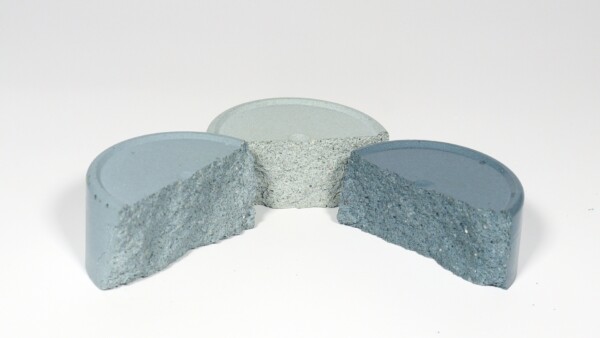
Ultramarine blue offers a recognizable reddish-blue tone that differs from phthalocyanine blues or cobalt blues. This shade is often selected when formulators need a softer, classic, or premium blue appearance.
It can also be used in gray formulations to create cooler, cleaner tones.
For broader pigment selection strategies, see:
https://www.finelandchem.com/how-to-choose-the-right-industrial-pigment-for-coatings-and-plastics/
4. Whitening and Yellow Tone Correction
A lesser-known but highly valuable use of ultramarine blue is as a whitening aid. Small additions can visually neutralize yellow undertones in white plastics, papers, detergents, or coatings through optical compensation.
This principle is based on complementary color balance rather than fluorescence, making it different from optical brightening agents.
5. Broad Formulation Compatibility
Ultramarine blue can be used across many industrial systems including:
- Plastics
- Water-based coatings
- Solvent-based coatings
- Inks
- Rubber
- Construction materials
- Cosmetics (grade dependent)
Its versatility can simplify sourcing and formulation development where one blue pigment is preferred across multiple product lines.
Practical Limitations of Ultramarine Blue
1. Lower Tinting Strength vs Some Organic Pigments
Compared with high-strength organic pigments such as phthalocyanine blue, ultramarine often requires higher loading levels to achieve the same depth of shade. This may influence cost-in-use or processing efficiency in certain systems.
2. Acid Sensitivity
Ultramarine blue is generally stable in neutral and alkaline systems, but it can decompose in acidic environments, potentially releasing sulfur-containing odors and causing color loss. Therefore, it is not ideal for strongly acidic formulations.
This compatibility check is essential during product selection.
3. Moderate Opacity Depending on System
In some transparent or high-gloss systems, ultramarine may not provide the same chromatic intensity or clarity as specialized organic pigments or dyes designed for transparency.
For transparent color systems, other technologies may be more suitable.
4. Shade Range Is More Limited
Ultramarine’s value lies in its signature blue tone, but it does not cover the broad range of turquoise, green-shade blue, or ultra-bright shades available from other pigment chemistries.
Where precise brand matching is required, formulators may compare multiple blue pigment options.
Where Ultramarine Blue Performs Best
Ultramarine Blue is especially effective when users prioritize:
- Heat resistance
- Alkali resistance
- Reliable outdoor durability
- Whitening correction
- Broad system compatibility
- Cost-effective inorganic blue color
For long-term durability in coatings, see also:
https://www.finelandchem.com/how-pigments-enhance-coating-durability-and-gloss/
Conclusion
Ultramarine Blue remains a highly relevant industrial pigment because it solves real formulation challenges across multiple industries. Its combination of thermal stability, alkali resistance, recognizable blue tone, and whitening functionality gives it enduring value.
At the same time, understanding its limitations—such as acid sensitivity and lower tinting strength compared with some organic pigments—helps buyers make better technical decisions.
When matched to the right application, ultramarine blue continues to be one of the most practical and dependable blue pigments available today.