
Introduction
The history of organic pigments represents one of the most important developments in modern industrial chemistry. From early natural colorants to today’s advanced high-performance pigment systems, organic pigments have continuously evolved to meet the growing demands of coatings, plastics, printing inks, textiles, and engineering materials.
Modern organic pigments are valued not only for their bright colors, but also for their durability, heat resistance, weatherability, and environmental compliance. Today, they play a critical role in global manufacturing and color technology.
For general background information, see:
Organic pigment
Early Origins of Organic Colorants
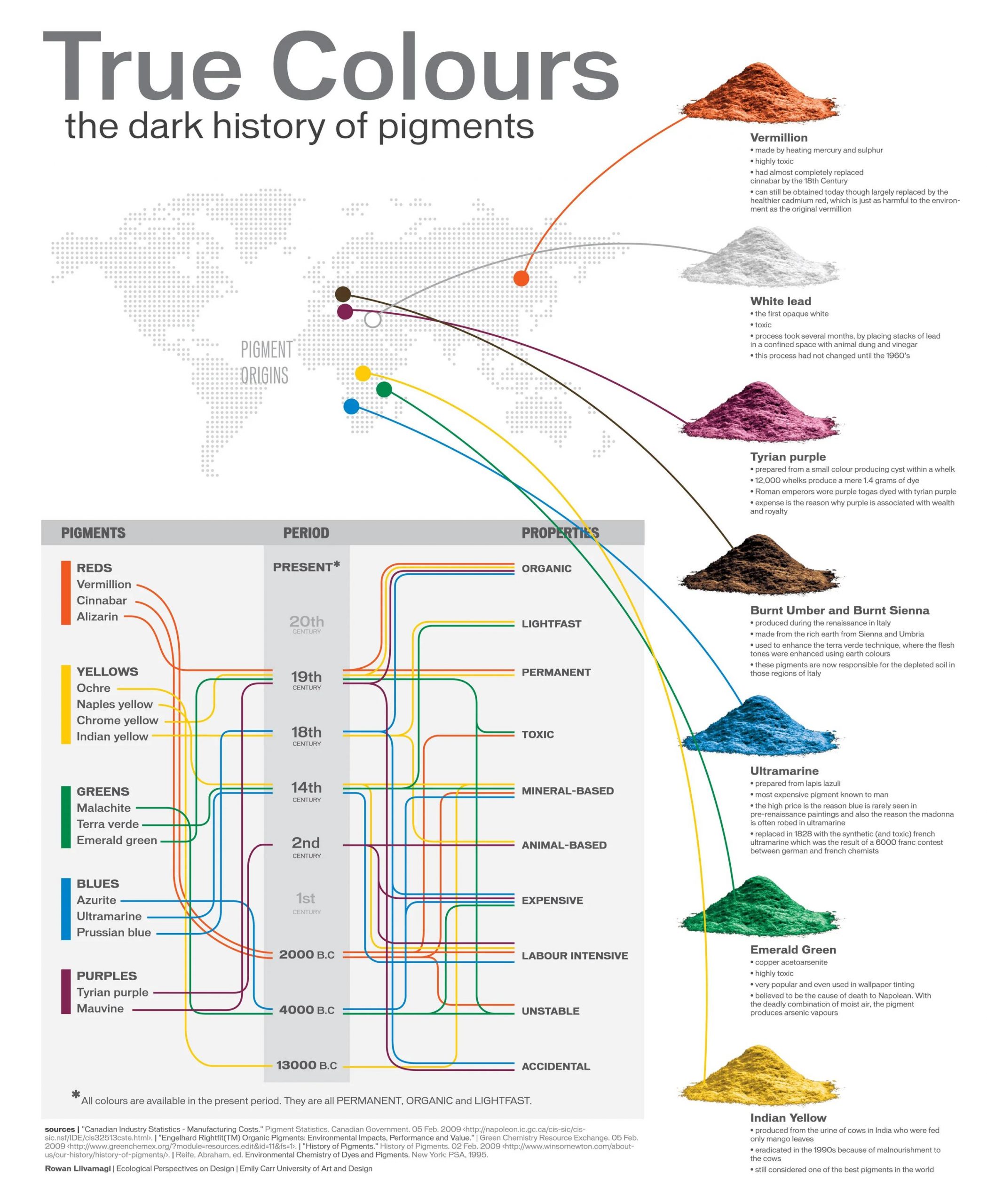
Before synthetic chemistry emerged, humans relied primarily on natural coloring materials obtained from plants, insects, and minerals. Ancient civilizations used these materials in textiles, paintings, cosmetics, and decorative arts.
Common examples included:
- Indigo extracted from plants
- Madder root dyes
- Cochineal insect pigments
- Natural earth pigments
However, natural colorants often suffered from:
- Poor lightfastness
- Limited chemical stability
- Inconsistent color quality
- Low production efficiency
As industrialization accelerated during the 19th century, scientists began searching for synthetic alternatives capable of delivering more stable and scalable color solutions.
The Birth of Synthetic Organic Pigments
The modern organic pigment industry began developing rapidly after several important discoveries in organic chemistry.
In 1856, British chemist William Henry Perkin accidentally discovered the first synthetic dye, mauveine, while attempting to synthesize quinine. This event is widely regarded as the beginning of the synthetic dye industry.
Later developments in azo chemistry further transformed pigment manufacturing. Research into diazonium coupling reactions established the foundation for azo compounds, which remain one of the largest classes of synthetic pigments today.
For more information, see:
Azo compound
By the late 19th century, manufacturers began converting soluble dyes into insoluble pigment forms suitable for paints, coatings, and printing applications.
One of the earliest successful commercial organic pigments was Lithol Red, introduced around the end of the 1800s.
Expansion of Industrial Pigment Technologies
Azo Pigments
During the early 20th century, azo pigments became the dominant organic pigment family because of their:
- Bright shades
- Strong tinting strength
- Cost-effective production
- Broad color range
Important commercial pigment groups included:
- Hansa Yellow pigments
- Benzidine Yellow pigments
- Lake Red pigments
These pigments became widely used in printing inks, paints, plastics, and textile applications.
Despite their advantages, early azo pigments sometimes showed limitations in weather resistance and solvent stability, which encouraged further pigment innovation.
Phthalocyanine Pigments
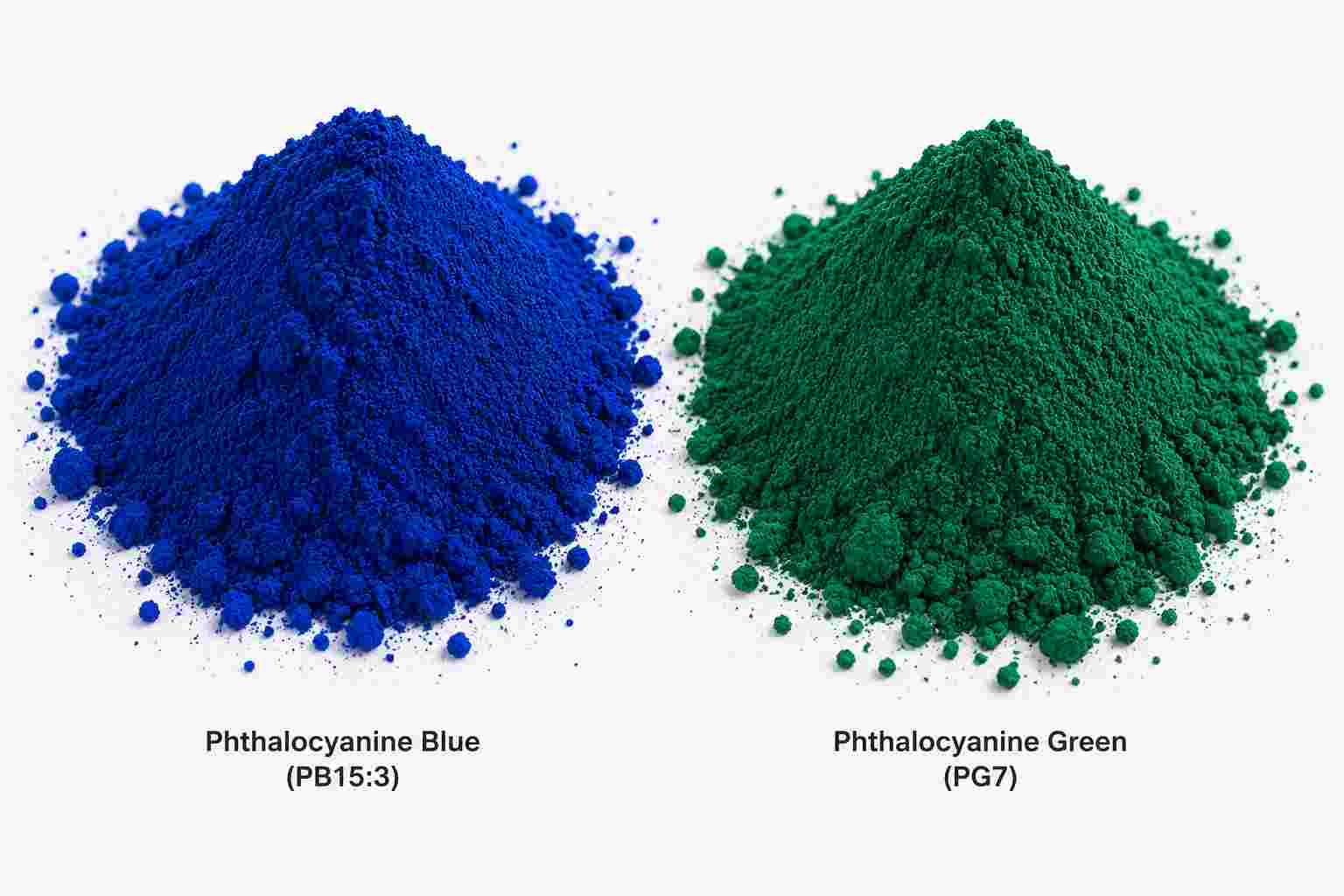
One of the most important breakthroughs in pigment history occurred during the 1930s with the commercialization of phthalocyanine pigments.
These pigments provided:
- Extremely high color strength
- Outstanding chemical resistance
- Excellent weather durability
- Strong solvent resistance
The most famous examples are:
- Pigment Blue 15
- Pigment Green 7
Phthalocyanine chemistry remains one of the most important technologies in modern industrial coloration.
For technical background, see:
Phthalocyanine
The Rise of High-Performance Organic Pigments
From the 1950s onward, pigment development increasingly focused on high-performance applications requiring:
- Heat resistance
- Migration resistance
- Outdoor durability
- Automotive-grade stability
- Engineering plastic compatibility
This period saw the development of several advanced pigment classes, including:
- Quinacridone pigments
- Isoindoline pigments
- Benzimidazolone pigments
- DPP pigments
Quinacridone pigments became especially important because of their excellent weather resistance and clean magenta shades.
For additional information, see:
Quinacridone
Later, diketopyrrolopyrrole (DPP) pigments gained widespread industrial importance due to their:
- Strong color strength
- High durability
- Excellent lightfastness
- Heat stability
DPP pigments remain widely used in automotive coatings, plastics, and industrial applications.
For technical reference, see:
Diketopyrrolopyrrole pigments
Evolution of Pigment Applications
As pigment chemistry evolved, application industries expanded significantly.
Modern organic pigments are now widely used in:
- Architectural coatings
- Automotive coatings
- Plastic masterbatch
- Packaging inks
- Textile printing
- Digital printing systems
- Engineering plastics
Different industries require different performance characteristics.
For example:
- Automotive coatings demand weather resistance and gloss retention
- Plastic applications require heat stability and migration resistance
- Printing inks require dispersion quality and solvent compatibility
This shift transformed pigments from simple colorants into highly engineered industrial materials.
Environmental and Regulatory Changes
Over the past several decades, environmental regulations have strongly influenced pigment development worldwide.
Governments and regulatory agencies increasingly restricted:
- Heavy metals
- Toxic intermediates
- Hazardous solvents
- Certain aromatic amines
As a result, pigment manufacturers invested heavily in:
- Cleaner production technologies
- Heavy-metal-free formulations
- Safer chemical processes
- Sustainable manufacturing systems
Modern pigment development now balances:
- Color performance
- Durability
- Environmental safety
- Regulatory compliance
This transition continues shaping the future of the pigment industry.
Advances in Color Science and Dispersion Technology
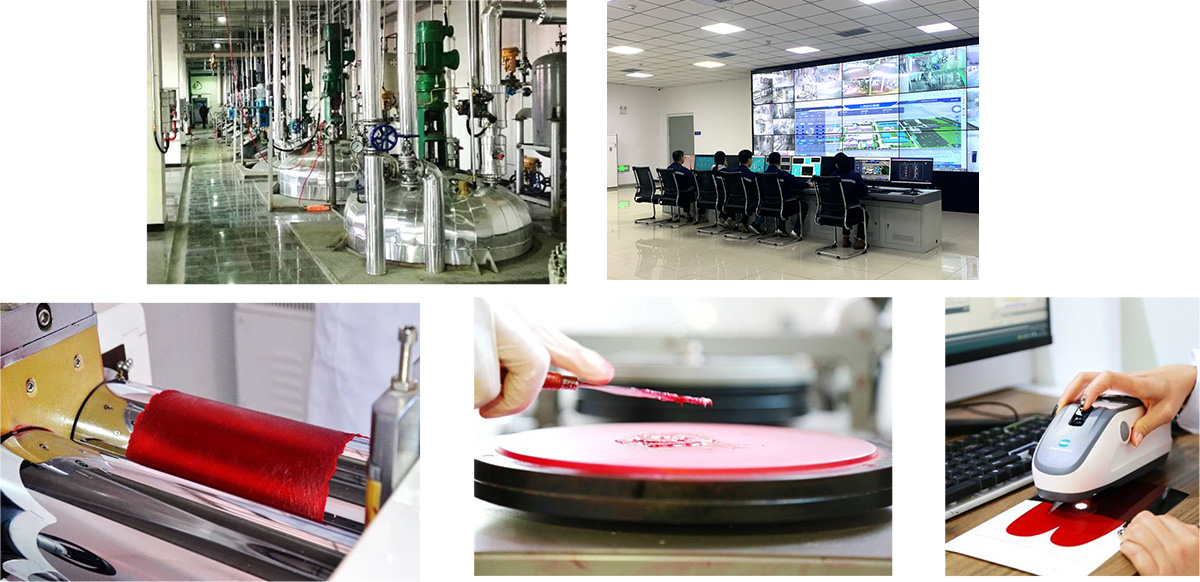
Today’s pigment industry depends heavily on color science and particle engineering.
Modern advancements include:
- Controlled particle size distribution
- Surface-treated pigments
- Advanced dispersants
- Precision color measurement systems
- Automated color matching technologies
These technologies improve:
- Dispersion stability
- Color consistency
- Gloss performance
- Production efficiency
- Long-term durability
For general information about color measurement systems, see:
Colorimetry
For additional chemistry background, see:
Dispersion (chemistry)
Future Trends in Organic Pigments
The future development of organic pigments is expected to focus on:
- Sustainability
- High-performance materials
- Functional pigments
- Smart manufacturing
- Digital color management
Emerging technologies include:
- Infrared reflective pigments
- Conductive pigments
- Nano-dispersed systems
- Low-carbon production methods
At the same time, demand continues growing in:
- Electric vehicles
- Renewable energy systems
- Advanced packaging
- High-durability industrial coatings
- Engineering plastics
These trends are expected to drive continued innovation in pigment chemistry and manufacturing technologies.
Conclusion
The development history of organic pigments reflects more than a century of innovation in chemistry, industrial manufacturing, and material science. From early natural dyes to advanced high-performance pigment systems, organic pigments have evolved into essential materials for modern industry.
As sustainability requirements, regulatory standards, and technical performance expectations continue advancing, organic pigments will remain a critical part of global color technology and industrial material development.