What is Titanium Dioxide?
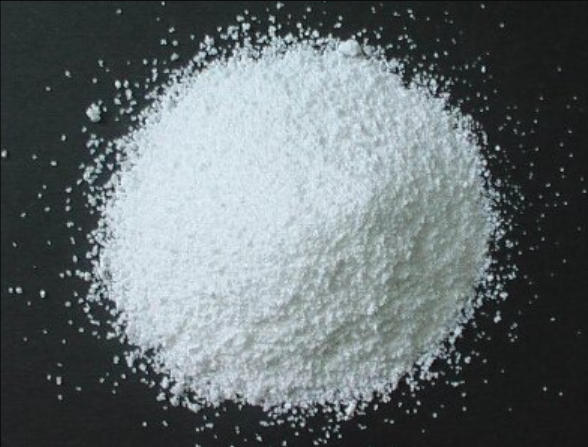
Titanium Dioxide (TiO₂) is a widely used inorganic white pigment known for its exceptional opacity, brightness, and high refractive index. It is primarily produced in two crystal forms: rutile and anatase, with rutile being the most commonly used for industrial applications due to its superior durability and weather resistance.
As a pigment, Titanium Dioxide does not dissolve in the medium but remains finely dispersed, providing strong hiding power and excellent whiteness. It is one of the most important pigments used globally in coatings, plastics, inks, and paper.
Product Technical Data
Titanium Dioxide-TiLumi®LR997 ⬇️TDS
Designed to deliver bright,white color and excellent processability. With excellent dispersion,high heat resistance and good processing,minimal effect on melt-flow.
Titanium Dioxide-TiLumi®LR998 ⬇️TDS
Has excellent dispersion performance,excellent opacity and gloss,delivers a brilliant whiteness with a clean blue tone with good weather resistance.
Titanium Dioxide-TiLumi®R997 ⬇️TDS
Disperses easily in Polyolefins, with high opacity and whiteness under high TiO2 concentration.Low moisture absorption,good compatibility with plastic resins.
Titanium Dioxide-TiLumi®R998 ⬇️TDS
A highly durable,versatile pigment suitable for a wide range of applications. With good gloss,brightness,high opacity and easy dispersibility.
Titanium Dioxide-TiLumi®TL101 ⬇️TDS
Has good pigment properties such as high purity,fine particle size,high whiteness and good hiding power.
Physical Properties
|
Test Item
|
Specification
|
| TiO₂ Content |
96% |
| Surface Treatment |
Alumina,Organic |
|
Oil Absorption(g/100g)
|
15max
|
|
PH Value
|
6.5-8.5
|
|
Bulk Density (lb/gal)
|
50
|
|
Specific Gravity (g/cm3)
|
4.1
|
| Average Particle Size |
0.3μm |
Fastness Properties
| Heat Resistance (℃) |
500 |
Weather Resistance (1-5) |
5 |
| Light Resistance (Full Shade, 1-8) |
8 |
Acid Resistance (1-5) |
5 |
| Light (Reduced tinting, 1-8) |
8 |
Alkali Resistance (1-5) |
5 |
Typical Applications
Titanium Dioxide is widely used in:
- Architectural and industrial coatings
- Plastics and masterbatch
- Printing inks
- Paper and pulp
- Rubber and textiles
- Cosmetics and personal care products
It is especially valued in applications requiring high opacity, brightness, and UV resistance.
Key Performance Properties
1. Excellent Opacity and Hiding Power
Titanium Dioxide has a very high refractive index, allowing it to effectively scatter light and provide strong coverage even at relatively low loadings.
2. High Brightness and Whiteness
It delivers clean, bright white coloration, making it essential for tinting and base formulations.
3. Outstanding UV Resistance
TiO₂ helps protect substrates from UV degradation, improving durability in outdoor applications.
4. Good Chemical Stability
It is resistant to many chemicals, ensuring stable performance in coatings, plastics, and other systems.
Advantage
1. Industry-Standard White Pigment
Widely recognized as the most effective white pigment across multiple industries.
2. Versatile Applications
Suitable for coatings, plastics, inks, paper, and more.
3. Enhances Durability
Improves weather resistance and lifespan of end products.
Typical Limitations
1. Photocatalytic Activity (Anatase Type)
Certain grades may promote degradation under UV exposure if not surface-treated.
2. Dispersion Requirements
Proper dispersion is necessary to achieve optimal opacity and performance.
3. Cost Sensitivity to Raw Materials
Market prices can fluctuate due to titanium ore supply and production factors.
Buyer Guidance
When selecting Titanium Dioxide, buyers should confirm:
- Rutile or anatase type
- Surface treatment requirements
- Target application (coatings, plastics, inks, etc.)
- Dispersion method
- Weather resistance requirements
Providing application details helps ensure correct grade selection.
Package and Delivery
25KG Kraft Bag, 400kg/500kg Carton Box
Lead Time: Normally around 15 days after signed contract.
Manufacturer and Supplier Information
Fineland Chem supplies Titanium Dioxide for industrial applications including coatings, plastics, inks, and related systems.
Products are produced under controlled quality standards to ensure consistent whiteness, particle performance, and batch stability. Technical support and export services are available for global customers.
FAQ
1. What is Titanium Dioxide mainly used for?
It is mainly used in coatings, plastics, inks, paper, and other applications requiring opacity and whiteness.
2. What is the difference between rutile and anatase?
Rutile offers better weather resistance and durability, while anatase provides higher brightness but lower outdoor stability.
3. Is it suitable for outdoor coatings?
Yes. Rutile Titanium Dioxide is widely used in outdoor coatings due to its excellent UV resistance.
4. Can it be used in plastics?
Yes. It is commonly used in plastic masterbatch and polymer applications to provide opacity and whiteness.
5. Does it require special dispersion?
Yes. Proper dispersion is important to achieve optimal performance and avoid agglomeration.