
Introduction
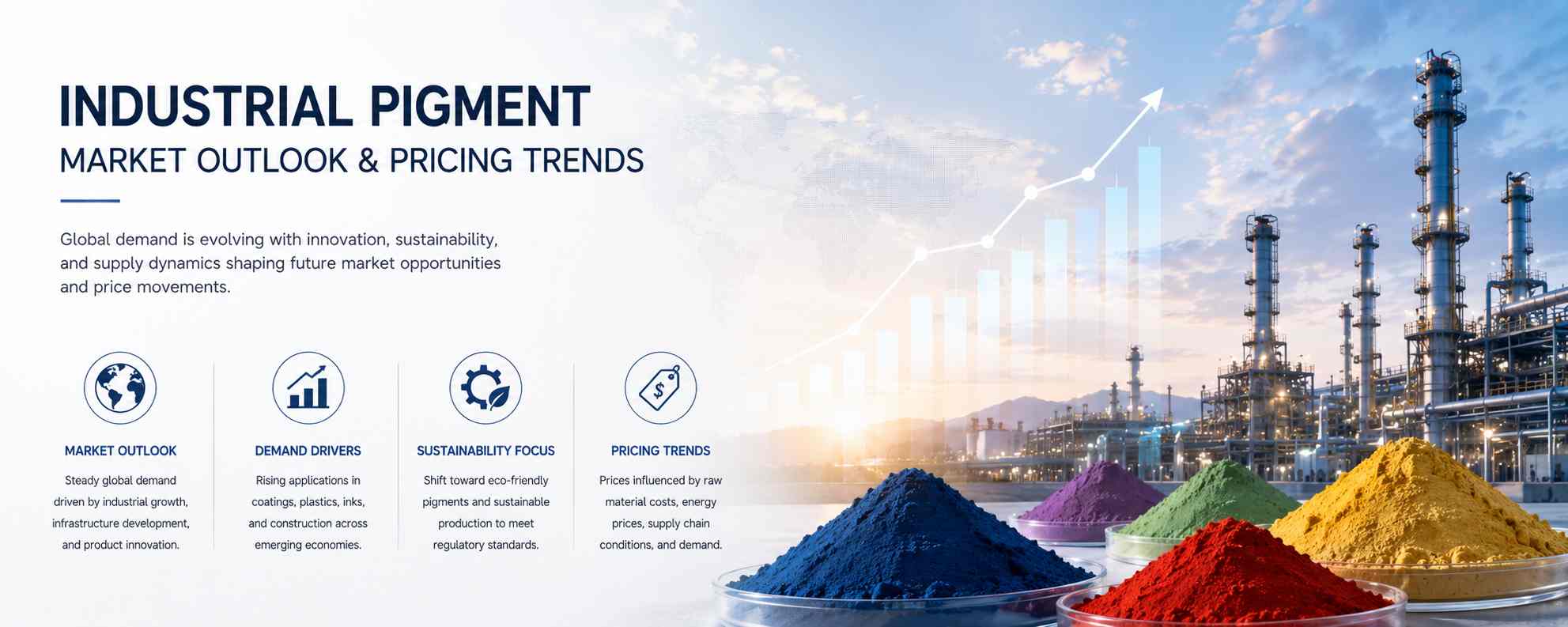
Over the past several years, pigment buyers across coatings, plastics, inks, and rubber industries have faced an unusual market environment. Despite periods of weaker downstream demand, many pigment prices remain significantly above historical averages. Buyers who expected a broad market correction have instead encountered persistent cost pressure, limited availability for certain grades, and continued uncertainty surrounding future pricing trends.
Several factors contribute to this situation, including elevated raw material costs, reduced production rates among manufacturers, currency fluctuations, and geopolitical instability. More recently, tensions in the Middle East—particularly involving Iran—have added another layer of uncertainty to global supply chains and energy markets.
For buyers planning imports and long-term procurement strategies, understanding these interconnected factors is becoming increasingly important.
Why Pigment Prices Remain Elevated
Raw Material Costs Continue to Support High Price Levels
Many pigments are derived from complex chemical intermediates whose prices remain above pre-pandemic levels. Although demand growth has moderated in some regions, manufacturers continue to face elevated costs for energy, feedstocks, environmental compliance, transportation, and labor.
In many cases, pigment producers have chosen to reduce operating rates rather than purchase raw materials at unfavorable prices. This has created a market where supply has tightened faster than demand has declined.
As a result, inventories across certain pigment categories remain lower than expected, preventing prices from returning to historical lows.
For readers interested in broader industry trends, see:
Pigment Industry Outlook 2026: Regulation, Sustainability, and Market Adaptation
Supply Reduction Has Changed Market Dynamics
Historically, oversupply often led to aggressive price competition. Today, many manufacturers are taking a more disciplined approach to production planning.
Rather than operating at full capacity and accumulating inventory, some producers have reduced output, delayed expansions, or temporarily suspended production lines.
This strategy has helped stabilize pricing despite weaker market sentiment.
In effect, the industry has entered a period where lower demand does not automatically translate into significantly lower prices.

The Role of Iran and Middle East Tensions
Why the Region Matters
The Middle East remains one of the world’s most important energy-producing regions. Although pigments themselves are not typically sourced from Iran, many upstream chemicals, petrochemical feedstocks, transportation routes, and energy costs are indirectly influenced by regional stability.
For background information:
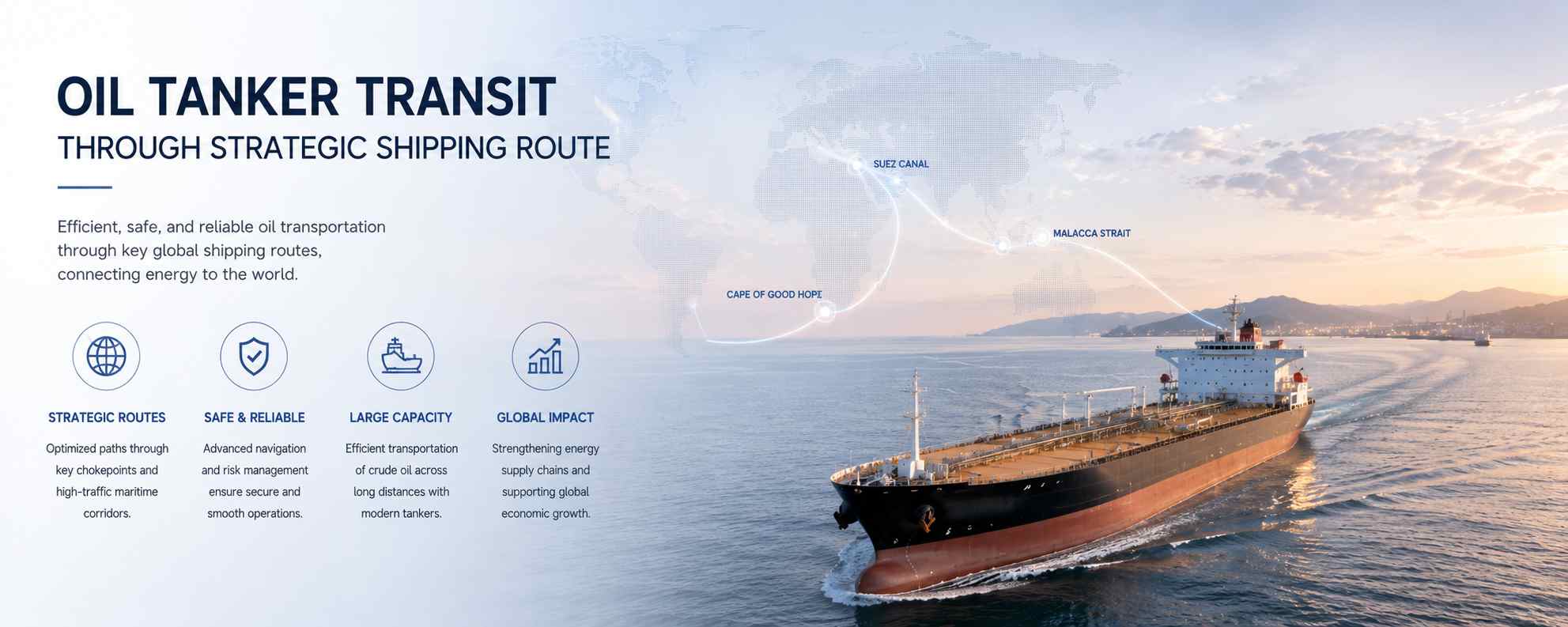
The Strait of Hormuz is particularly significant because a substantial portion of global oil and liquefied natural gas trade passes through this corridor.
Any disruption to shipping routes can influence:
- Crude oil prices
- Natural gas prices
- Petrochemical feedstocks
- Freight costs
- Manufacturing costs
These factors ultimately affect pigment production economics worldwide.
Current Impact on the Pigment Industry
At the time of writing, market participants remain cautious rather than alarmed. While geopolitical tensions have increased uncertainty, major supply disruptions have remained relatively limited.
Nevertheless, many companies are monitoring:
- Energy market volatility
- Freight availability
- Insurance costs for shipping
- Currency fluctuations
- Regional sourcing risks
Even without direct disruptions, uncertainty itself often discourages aggressive purchasing decisions and contributes to market hesitation.
Scenario Analysis: What Could Happen Next?
Scenario 1: Regional Tensions Continue
If geopolitical tensions persist or escalate, several outcomes become possible:
- Higher energy costs
- Increased transportation expenses
- Greater supply chain uncertainty
- Longer procurement lead times
- Continued cautious production planning
Under this scenario, pigment prices may remain relatively firm, particularly for products heavily influenced by petrochemical feedstocks or international logistics costs.
While demand may not surge, supply-side constraints could continue preventing significant price declines.
Scenario 2: A Durable Resolution Is Reached
If regional tensions ease and global trade conditions stabilize, markets may gradually shift toward a more balanced environment.
Potential effects include:
- Lower freight volatility
- Improved raw material availability
- Reduced energy costs
- Increased manufacturing confidence
- Higher production rates
However, buyers should not assume that prices would immediately return to historical lows.
Many structural changes have occurred since 2020, including stricter environmental requirements, higher compliance costs, and greater emphasis on supply chain resilience.
Even in a more stable geopolitical environment, these factors are likely to keep average production costs above levels seen a decade ago.
For additional industry context:
Top 10 Global Trends in Pigment Manufacturing 2025
Currency Effects: The Strong RMB Factor
Another important consideration for international buyers is exchange rate movement.
A relatively strong Chinese yuan (RMB) can contribute to higher export pricing when transactions are denominated in U.S. dollars.
Even if domestic production costs remain stable, exchange rate movements may influence:
- Export quotations
- Profit margins
- International competitiveness
- Procurement budgets
For overseas buyers, currency fluctuations can therefore become just as important as changes in raw material costs.
Procurement Recommendations for Pigment Buyers
Avoid Relying on a Single Market Signal
Many buyers focus exclusively on demand indicators. However, today’s market is increasingly influenced by supply-side decisions, energy markets, and geopolitical developments.
A balanced purchasing strategy should consider both demand and supply factors.
Consider Phased Purchasing
For companies with predictable consumption patterns, phased procurement may help reduce exposure to sudden market changes.
Rather than attempting to perfectly time the market, staged purchasing can provide greater flexibility while maintaining inventory security.
Evaluate Supplier Stability
In uncertain market conditions, supplier reliability often becomes more important than achieving the lowest quoted price.
Buyers should assess:
- Production continuity
- Regulatory compliance
- Technical support capability
- Supply chain transparency
- Long-term partnership potential
For related reading:
How to Choose the Right Pigment Supplier: Balancing Price, Quality and Reliability
Monitor Logistics and Currency Trends
In today’s market, changes in freight costs and exchange rates can sometimes have a greater impact on final landed costs than modest changes in pigment prices themselves.
Maintaining visibility into these factors can improve procurement planning and budgeting accuracy.
Conclusion
Pigment prices have yet to return to historical levels because the industry is being shaped by a combination of elevated raw material costs, disciplined production strategies, currency movements, and geopolitical uncertainty.
While future market direction will depend partly on developments in the Middle East, the industry’s cost structure has fundamentally changed compared with previous decades. As a result, buyers should focus less on predicting short-term price movements and more on building resilient procurement strategies that account for both market volatility and supply security.
Reference
Iran
https://en.wikipedia.org/wiki/Iran
Strait of Hormuz
https://en.wikipedia.org/wiki/Strait_of_Hormuz
International Energy Agency (IEA)
https://www.iea.org
World Bank Commodity Markets Outlook
https://www.worldbank.org