
Introduction: Why Geopolitics Matters for Pigment Buyers in 2026
Escalating tensions between the United States, Israel, and Iran are once again disrupting global supply chains, with direct consequences for the pigment industry. Although the situation has not escalated into full-scale war, ongoing military risks, sanctions, and regional instability are already affecting energy prices, logistics, and raw material availability [5][6].
For B2B buyers in coatings, plastics, and inks, these geopolitical risks are no longer abstract—they directly impact pigment costs, supply reliability, and lead times.
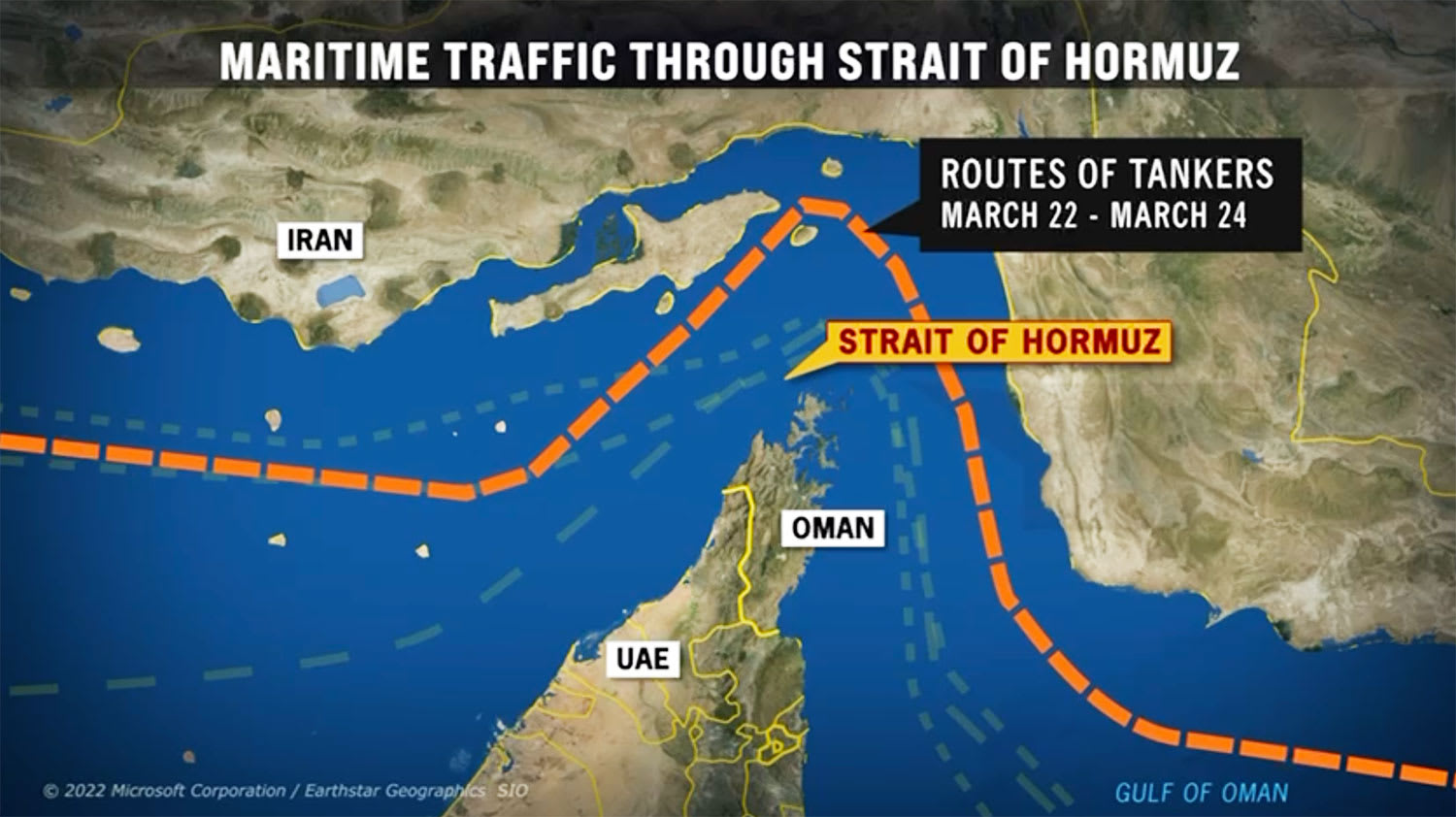
Middle East Tensions and Global Supply Chain Risks
The Middle East remains one of the most critical regions for global energy and trade. Recent developments involving the U.S., Israel, and Iran have increased concerns over supply chain disruptions [5].
Key risks include:
- Disruption of oil flows through the Strait of Hormuz
- Increased sanctions limiting regional trade
- Escalation of military conflict affecting shipping routes
As discussed in our previous analysis:
👉 https://www.finelandchem.com/geopolitical-tensions-in-the-middle-east-potential-impacts-on-the-global-pigment-supply-chain/
even limited instability in this region can trigger global supply chain volatility, especially for chemical-dependent industries.
Oil Prices and Pigment Raw Material Costs
Why Energy Prices Directly Affect Pigment Production
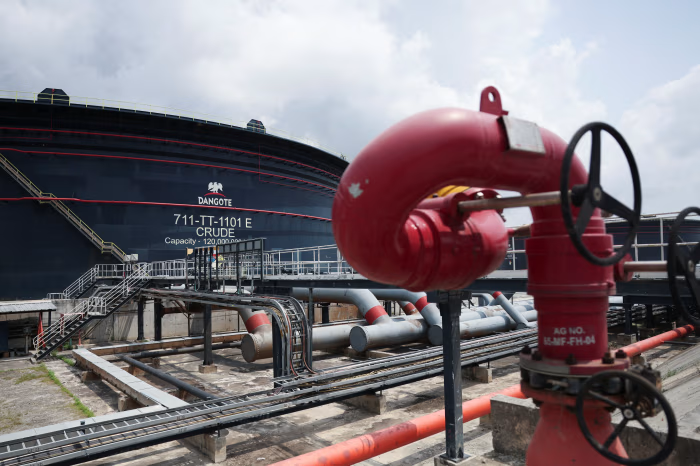
Pigment manufacturing is heavily dependent on petrochemical feedstocks. When oil and gas prices rise, the cost of producing key intermediates also increases [1][2][3].
Impacted materials include:
- Benzene, toluene, and xylene (aromatic solvents)
- Chemical intermediates for organic pigments
- Energy-intensive inorganic pigment processes
According to global energy reports, geopolitical tensions can cause rapid oil price fluctuations, which then cascade into chemical production costs [1][2].
Result for Buyers
- Higher pigment prices
- Shorter quotation validity periods
- Increased pricing volatility in contracts
Logistics Disruptions and Lead Time Delays
Shipping Risks in the Middle East
The Strait of Hormuz is one of the world’s most critical shipping routes. Any disruption can significantly impact global logistics [4].
Key logistics challenges:
- Rising freight costs and insurance premiums
- Vessel rerouting and transit delays
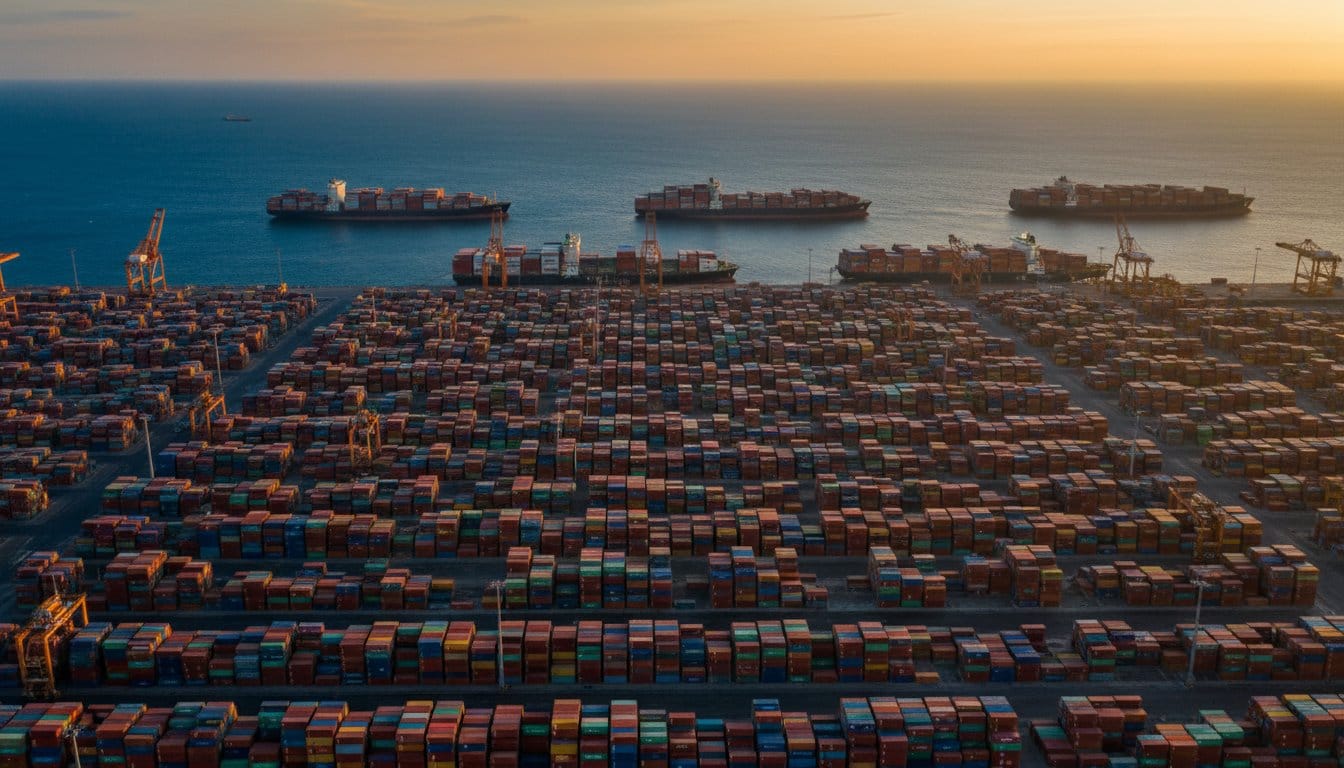
- Port congestion and container shortages
Shipping data shows that even minor disruptions in key maritime routes can cause global freight rate spikes [4].
Impact on Pigment Supply
- Longer delivery times
- Increased uncertainty in shipment schedules
- Higher total landed costs
Pigment Supply Chain Risks in 2026
1. Supply Instability
Raw material shortages may affect production continuity, especially for high-performance pigments.
2. Cost Pressure
Energy + logistics = dual cost increase across the entire supply chain.
3. Supplier Concentration Risk
Over-reliance on specific regions or suppliers increases vulnerability.

Downstream Industry Impact
Plastics & Masterbatch
Rising pigment costs directly impact production costs for plastic products.
Coatings & Paints
Supply instability can affect color consistency and production timelines.
Printing Inks
Longer lead times disrupt packaging and publishing supply chains.
Buyer Strategies: How to Reduce Risk
To manage uncertainty, pigment buyers should adopt the following strategies:
✔ Diversify Suppliers
Avoid relying on a single country or supplier.
✔ Build Strategic Partnerships
Reliable suppliers can offer better allocation during shortages.
✔ Monitor Market Signals
Track oil prices, freight rates, and geopolitical developments.
✔ Optimize Inventory
Balance safety stock with cash flow efficiency.
For ongoing updates, visit:
👉 https://www.finelandchem.com/news/industry-news/
Outlook: A New Normal of Supply Chain Volatility
Geopolitical instability is no longer a short-term disruption—it is becoming a structural factor in global trade [3][6].
For the pigment industry, this means:
- Increased exposure to global risks
- Greater importance of supply chain resilience
- More strategic procurement decisions
FAQ: Pigment Supply Chain Risks in 2026
1. How do U.S.-Israel-Iran tensions affect pigment prices?
Geopolitical tensions increase oil prices and logistics costs, which directly raise pigment production and transportation costs.
2. Will pigment supply be disrupted?
Yes, especially for products relying on petrochemical intermediates or complex global supply chains.
3. Which industries are most affected?
Plastics, coatings, and printing inks are the most impacted due to their heavy reliance on pigments.
4. What should buyers do in 2026?
Diversify suppliers, monitor market trends, and maintain flexible procurement strategies.
Conclusion: Turning Risk into Opportunity
While U.S.-Israel-Iran tensions introduce significant uncertainty, they also highlight the importance of reliable supply partners and strategic sourcing.
Companies that proactively adapt—by securing stable suppliers and optimizing procurement—will be better positioned to navigate ongoing disruptions and maintain competitive advantage.
References
1. International Energy Agency (IEA) – Oil Market Reports
https://www.iea.org/reports/oil-market-report
2. U.S. Energy Information Administration (EIA) – Global Oil Supply Data
https://www.eia.gov/petroleum/data.php
3. World Bank – Commodity Markets Outlook
https://www.worldbank.org/en/research/commodity-markets
4. Lloyd’s List – Maritime Risk and Shipping Updates
https://lloydslist.maritimeintelligence.informa.com/
5. Reuters – Middle East Geopolitical Developments
https://www.reuters.com/world/middle-east/
6. IMF – Global Economic Outlook Reports
https://www.imf.org/en/Publications/WEO