In an era where sustainability is more than a trend, the coatings and paint industry is actively seeking ways to reduce environmental impact without sacrificing performance or aesthetics. Halogen-free pigments are an essential part of this transformation. Traditional halogen-containing pigments can pose environmental and health challenges during manufacturing, application, and disposal. This 2026 guide explores the top halogen-free pigments for eco-friendly paints and coatings, their benefits, applications, and how they contribute to greener products.
What Are Halogen-Free Pigments?
Halogen-free pigments are colorants that do not contain halogen elements such as chlorine, fluorine, bromine, or iodine. These pigments avoid halogenated compounds that can release harmful substances during production, processing, or end-of-life breakdown. The shift away from halogens is aligned with industry initiatives for safer chemistry, lower toxicity, and reduced environmental burden.

Halogen-free pigments can be organic or inorganic. Organic pigments are known for vibrant colors and excellent tinting strength, while certain inorganic options provide superior opacity and durability. Both types are critical to creating paints and coatings that meet modern performance standards and regulatory requirements.
Why Choose Halogen-Free Pigments?
The move to halogen-free pigments isn’t just about compliance–it’s a step toward safer products for consumers, workers, and the environment.
Environmental and Health Benefits
Halogenated compounds can contribute to dioxin and furans during combustion or incineration. These products of combustion are persistent environmental pollutants and have been linked to long-term ecological harm. By contrast, halogen-free pigments significantly reduce this risk.

Additionally, some halogenated pigments include heavy metals or toxic elements that raise concerns during manufacturing and application. Halogen-free alternatives can mitigate exposure risks for workers and end users.
Performance Advantages
Modern halogen-free pigments can deliver robust performance:
-
Excellent lightfastness
-
High opacity
-
Consistent color strength
-
Compatibility with low-VOC and bio-based resins
These qualities make halogen-free pigments viable for a wide range of applications from architectural paints to industrial coatings.
Top Halogen-Free Pigment Categories
Below are the standout categories of halogen-free pigments that 2026 paint and coating formulators should consider.
Organic Pigments
Organic pigments are derived from carbon-based molecules and offer some of the most vibrant colors available without halogens.
Azo Pigments
Azo pigments are among the most widely used halogen-free organic colorants. They are known for bright reds, oranges, and yellows.
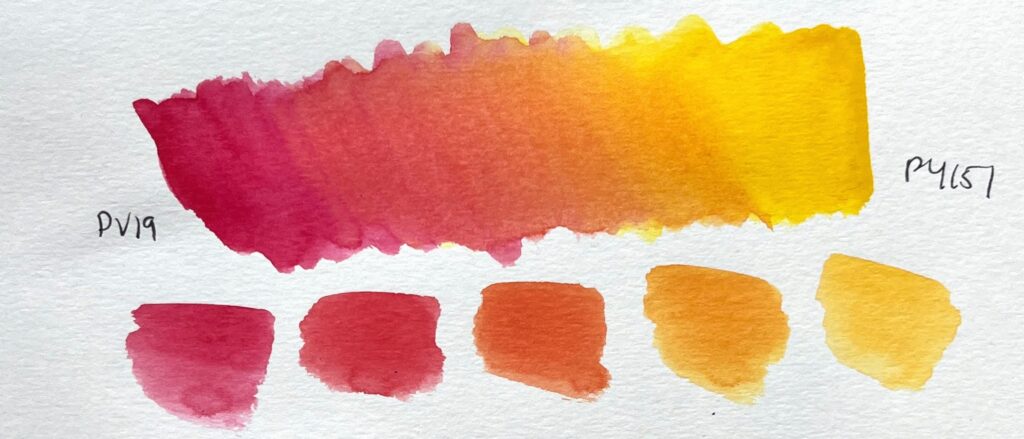
These pigments provide high tinting strength and excellent color consistency. Azo pigments are ideal for architectural paints and decorative coatings where lively hues are desirable.
Pros:
-
Strong color intensity
-
Halogen-free
-
Good cost-performance ratio
Applications:
-
Decorative paints
-
Powder coatings
-
Printing inks
Recommend Products:
- PY12 – DuraPlast® 3176R ⬇️TDS
This type is from original processes and is a versatile product that offers balanced performance in plastics, inks, and coatings. - PY83 – DuraPlast®HR02 ⬇️TDS
Features ultra-fine particle size and excellent dispersibility, making it highly suitable for demanding plastic applications. Its high tinting strength, good heat resistance, and outstanding color consistency ensure bright and uniform coloration across different polymer systems. In addition, custom formulations are available, allowing tailored performance to meet specific processing or color requirements.
Phthalocyanine Pigments
Phthalocyanine pigments, especially phthalocyanine blue and green, are iconic in the coatings industry. They deliver deep, stable color with exceptional lightfastness.
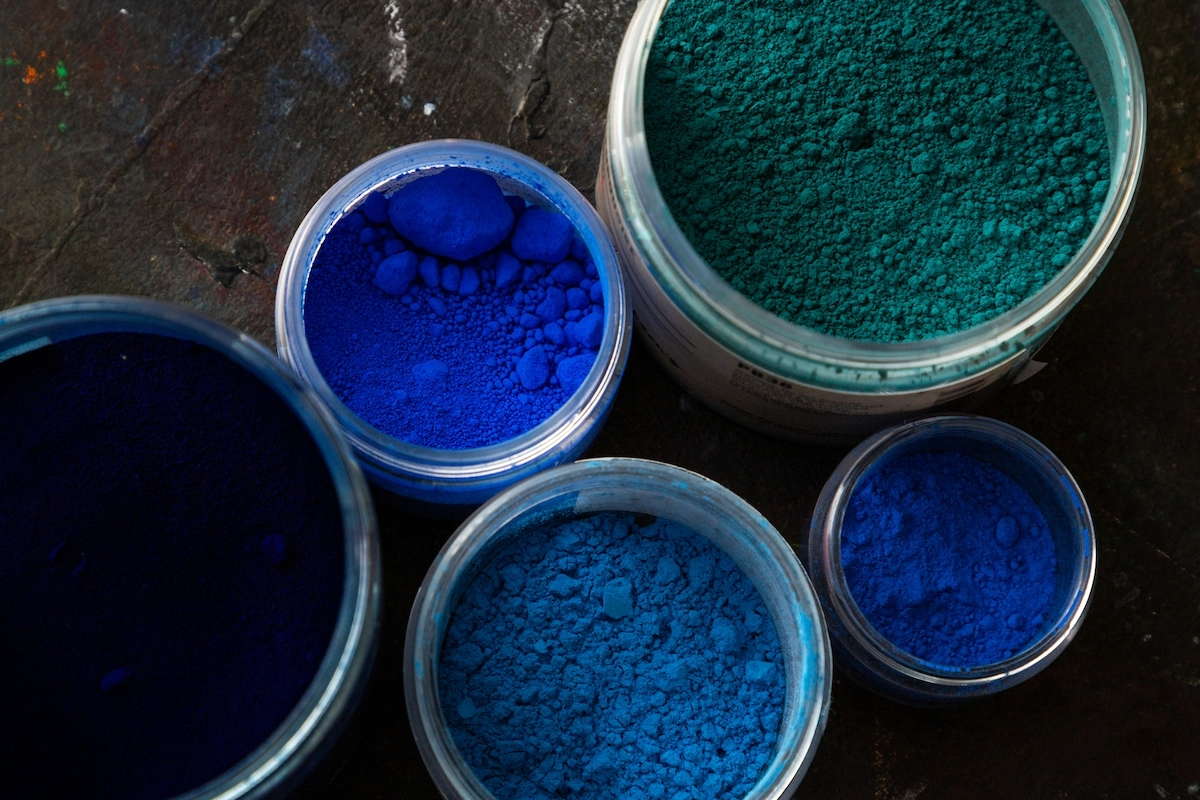
These pigments are widely used in industrial and automotive coatings due to their resistance to fading and chemical stability.
Pros:
-
Excellent durability
-
High tinting strength
-
Halogen-free
Applications:
-
Automotive coatings
-
Industrial paints
-
Marine coatings
Recommend Products:
- PG7 – DuraPlast®3707-2 ⬇️TDS
A durable Phthalocyanine Green pigment providing strong tinting strength, excellent dispersion, and reliable performance in plastic applications.
Quinacridone Pigments
Quinacridone pigments produce rich reds, violets, and magentas with superb lightfastness and weather resistance.
These pigments are popular in high-end architectural paints and specialty coatings that demand both performance and aesthetic excellence.
Pros:
-
Excellent lightfastness
-
Vibrant hues
-
Halogen-free
Applications:
-
Premium architectural paints
-
Specialty coatings
-
Artistic paints
Recommend Products:
- PV19 – DuraPaint®3019B ⬇️TDS
Recommended for Industrial paint, Coil coating, Powder coating, Decorative water/solvent-base paint, Automotive Refinish paint etc. - PR122 – DuraPlast® 3522 ⬇️TDS
A high-performance quinacridone red pigment for plastics, featuring excellent heat stability, lightfastness, and migration resistance.
Benzimidazolone Pigments
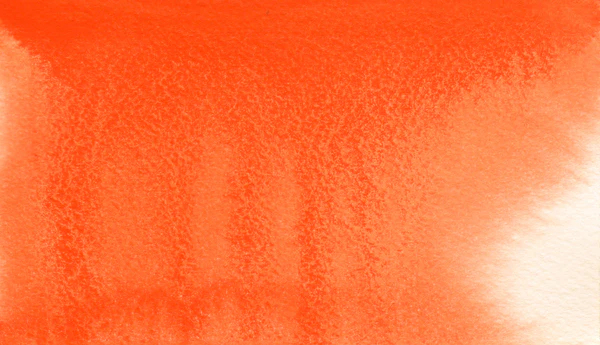
Benzimidazolone pigments are a class of high-performance organic pigments known for their excellent weather resistance, chemical stability, and brilliant yellow to orange-red shades. They are completely halogen-free and have become a preferred choice for coatings requiring long-term color retention and outdoor durability.
These pigments provide exceptional lightfastness and heat stability, making them suitable for both decorative and industrial applications. Their non-toxic and environmentally safe profile aligns perfectly with modern eco-friendly coating standards.
Pros:
-
Superior lightfastness
-
Excellent chemical and heat resistance
-
Halogen-free
Applications:
-
Exterior architectural paints
-
Industrial coatings
-
Automotive refinishes
-
Powder coatings
Recommend Products:
- PY180 – DuraPlast®3180-1 ⬇️TDS
A premium-grade variant with refined particle size distribution and enhanced color strength. Suitable for plastic requiring good dispersion and heat resistance. - PO64 – DuraPlast®3264 ⬇️TDS
DuraPlast® 3264 offers excellent heat resistance and dimensional stability, outstanding migration resistance, and a bright yellowish-orange shade. It is highly compatible with various polymer systems, maintains stability under demanding processing conditions, and delivers an exceptional balance of performance and cost.
Inorganic Halogen-Free Pigments
While some inorganic pigments historically contained halogen elements, several modern inorganic options provide strong performance without halogen compounds.
Iron Oxide Pigments
Iron oxide pigments are timeless colorants used for blacks, reds, yellows, and browns. They are inherently halogen-free, non-toxic, and offer outstanding opacity.
Their weather resistance and UV stability make them a go-to choice for exterior paints and architectural coatings.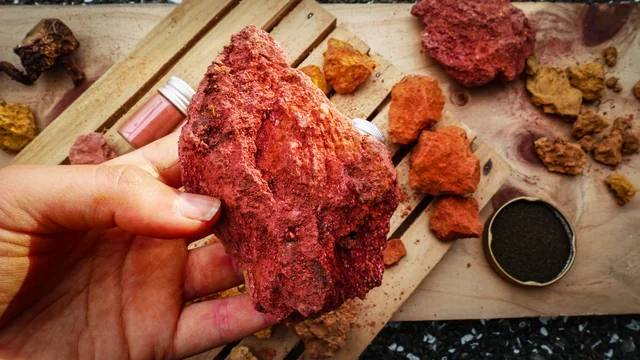
Pros:
-
Exceptional durability
-
Halogen-free
-
Great opacity
Applications:
-
Exterior paints
-
Concrete coatings
-
Protective coatings
Ultramarine Pigments
Ultramarine pigments provide vibrant blues without halogen compounds. They are chemically stable, weather resistant, and suitable for a range of coating systems.
Used in both decorative and industrial applications, ultramarine pigments can be a strong halogen-free alternative to traditional blue colorants.
Pros:
-
Weather resistant
-
Halogen-free
-
Vibrant blue
Applications:
-
Architectural paints
-
Decorative coatings
Specialty Halogen-Free Pigments
Beyond traditional organic and inorganic categories, specialty pigments address niche performance needs.
Effect Pigments
Effect pigments such as pearlescent and interference pigments can be formulated without halogens. These pigments produce unique visual effects that are highly sought after in automotive and decorative coatings.
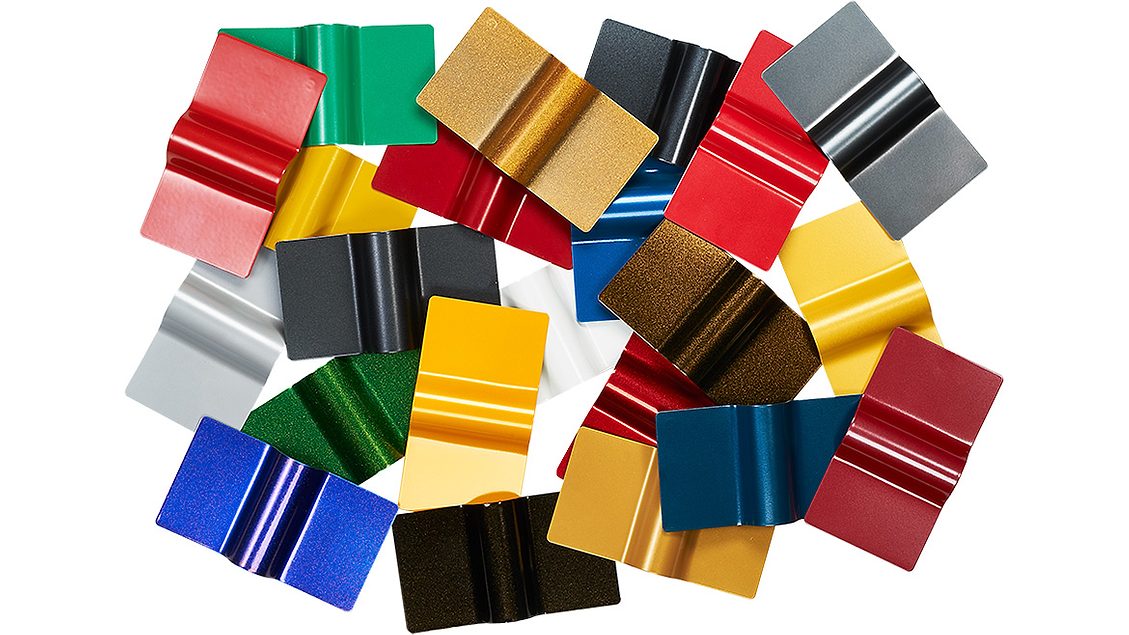
Effect pigments require careful selection to ensure halogen-free status, as some metal coatings or finishes may use halogenated processes.
Pros:
-
Unique visual effects
-
Halogen-free options available
-
Custom aesthetic possibilities
Applications:
-
Automotive coatings
-
High-end decorative paints
-
Consumer products
Functional Pigments
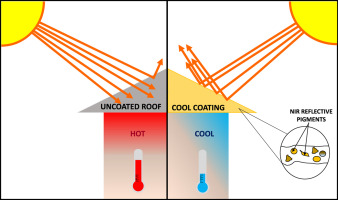
Certain functional pigments, such as UV absorbers and infrared reflectance pigments, play a performance role beyond color. Many new functional pigments on the market are designed to be halogen-free and compatible with eco-friendly formulations.
Functional pigments can improve energy efficiency, protect coatings from degradation, and enhance product life.
Pros:
-
Adds performance beyond color
-
Often halogen-free
-
Advances eco-functionality
Applications:
-
Cool roof coatings
-
Protective finishes
-
Energy-efficient coatings
Tips for Formulating with Halogen-Free Pigments
Choosing halogen-free pigments is only part of the sustainability puzzle. Successful eco-friendly formulations also require attention to binder selection, additives, and VOC content.
Evaluate Colorant Compatibility
Some halogen-free pigments perform differently in various resin systems. Conduct compatibility tests early in development.
Focus on Lifecycle Impact
Assess pigments not only for color performance but for lifecycle impacts—from raw material sourcing to end-of-life disposal or recycling.
Lean on Certifications
Look for pigments with recognized sustainability certifications or transparent chemical disclosures to support eco-friendly claims.
Conclusion
Halogen-free pigments are an integral part of creating sustainable, high-performance paints and coatings in 2026 and beyond. From vibrant organic colorants like phthalocyanine and quinacridone to robust inorganic options like iron oxides and ultramarines, formulators have a wide palette of choices that support environmental responsibility. With thoughtful selection and testing, these pigments help paint innovators deliver safer and greener products without compromising quality or aesthetics.