What is Solvent Yellow 160:1?
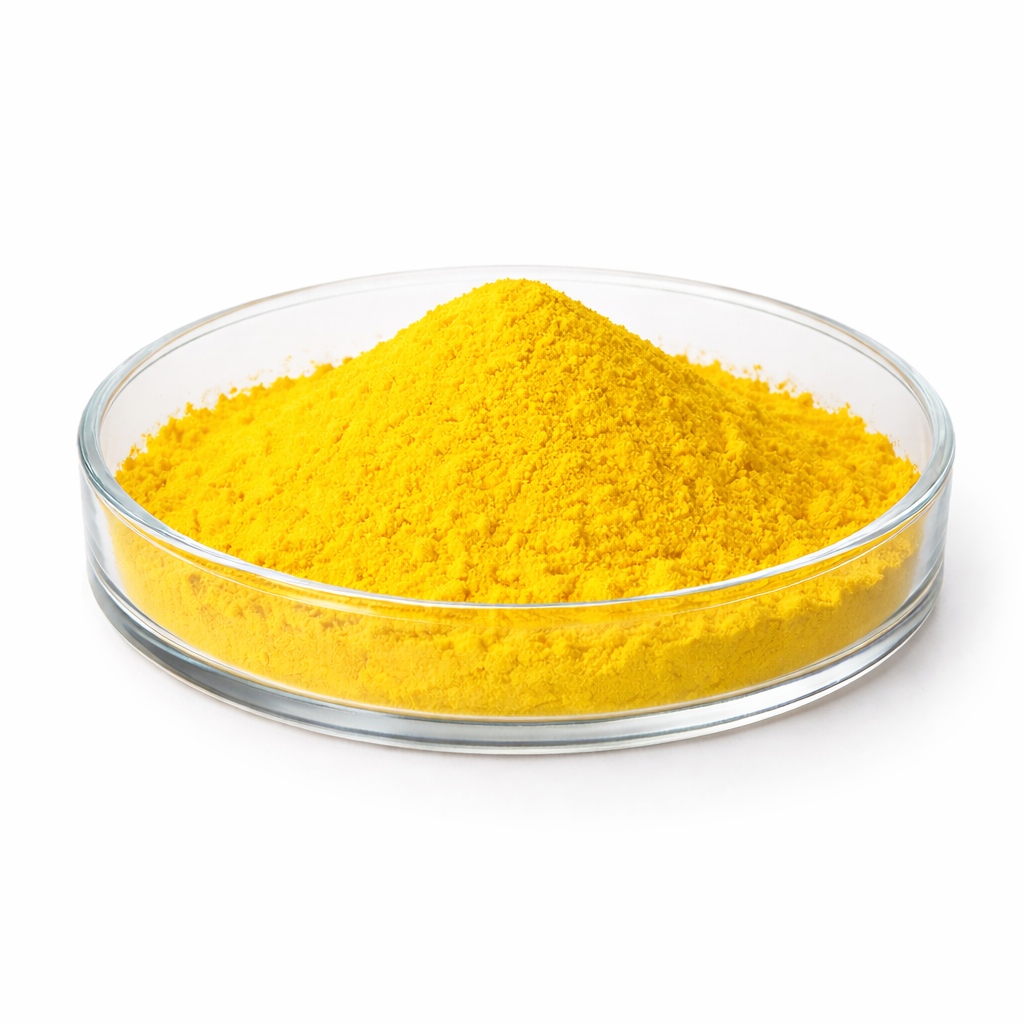
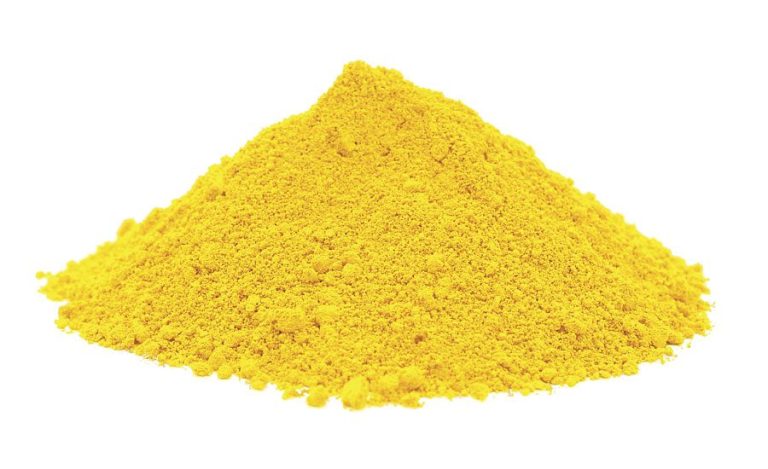
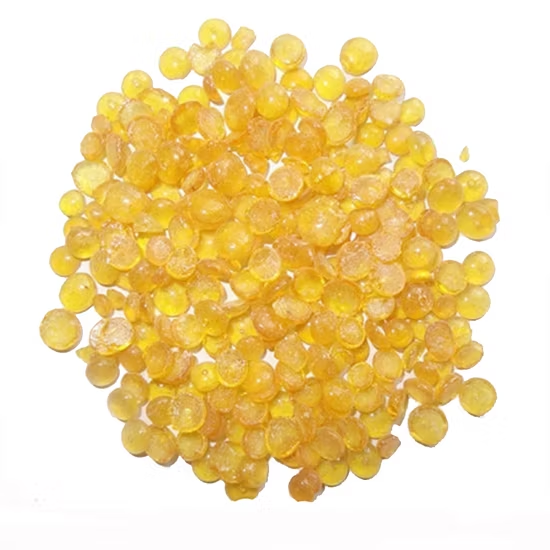
Solvent Yellow 160:1 is a high-performance yellow solvent dye used for coloring plastics, engineering polymers, and solvent-based systems. As a solvent dye, it dissolves directly into compatible substrates rather than remaining as dispersed particles, resulting in bright and transparent yellow coloration.
Solvent Yellow 160:1 is known for its excellent heat resistance, strong tinting strength, and good compatibility with thermoplastic materials. It is particularly suitable for applications requiring brilliant transparency and stable processing performance.
Product Technical Data and Typical Performance Values
SY160:1 – SolCore®3160 ⬇️TDS
This is a greenish yellow pigment recommended for plastics such as PS, SAN, PC, PA6, ABS and ABS/PC blends, providing consistent color performance and stable processing in industrial applications.
Physical Properties
| Test Item |
Specification |
| Bulk Density (g/cm3) |
0.23 |
| Melting point (℃) |
approx. 210 |
| Moisture(%) |
≤0.5 |
| Ash(%) |
≤0.3 |
| Insolubility(%) |
≤0.3 |
| PH Value |
6-8 |
| Fe Content(ppm) |
≤1000 |
Fastness Properties
| Heat Resistance (℃) in PS |
300 |
Migration Resistance(1~5) |
5 |
| Light Resistance (Full Shade, 1-8) |
5 |
Resistance to Acid(1~5) |
5 |
| Light (Reduced tinting, 1~8) |
4 |
Resistance to Alkali(1~5) |
5 |
Typical Applications
Solvent Yellow 160:1 is commonly used in:
-
Engineering plastics (ABS, PS, PC, PMMA)
-
Transparent and translucent plastic products
-
Masterbatch production for solvent dye systems
-
Synthetic fibers
-
Solvent-based inks
-
Specialty coatings
It is especially suitable for transparent plastic components where bright yellow clarity is required.
Key Performance Properties Related to Applications
1. Excellent Heat Resistance
Solvent Yellow 160:1 performs well under high-temperature processing conditions used in engineering plastics.
2. High Transparency
Because it dissolves completely in compatible systems, it provides clear, bright yellow shades without haze or opacity.
3. Strong Tinting Strength
High color intensity allows efficient use at low dosage levels, offering formulation flexibility.
4. Good Polymer Compatibility
It shows good solubility in common thermoplastics, supporting uniform color distribution.
Advantages
1. Ideal for Transparent Plastic Applications
Provides brilliant yellow coloration without affecting clarity.
2. Suitable for High-Temperature Processing
Maintains shade stability during extrusion and injection molding.
3. Clean Processing Performance
Eliminates dispersion issues typically associated with pigment systems.
Typical Limitations of Solvent Yellow 160:1
-
Moderate Lightfastness Compared to High-Performance Pigments
For long-term outdoor exposure, pigment-based systems may offer superior durability.
-
Possible Migration in Certain Systems
Migration resistance depends on polymer compatibility and formulation design.
-
Not Suitable for Opaque Applications
If strong hiding power is required, pigment-based yellows are more appropriate.
Understanding these factors helps ensure correct product selection.
Buyer Guidance: What to Confirm When Sourcing Solvent Yellow 160:1
When selecting Solvent Yellow 160:1, buyers should confirm:
-
Target polymer type
-
Processing temperature
-
Required transparency level
-
Migration resistance requirements
-
End-use regulatory compliance
Providing application details enables accurate technical recommendations.
Manufacturer and Supplier Information
Fineland Chem supplies Solvent Yellow 160:1 for industrial coloring applications including engineering plastics and solvent-based systems.
The product is manufactured under strict quality control to ensure consistent shade, solubility performance, and batch stability. Technical support and export services are available for international customers.
Package and Delivery
● 25KG Kraft Bag, 400kg/500kg Carton Box
● Lead Time: Normally around 15 days after signed contract.
FAQ
1. What is Solvent Yellow 160:1 mainly used for?
It is mainly used for coloring engineering plastics, transparent plastic products, and solvent-based systems.
2. Is Solvent Yellow 160:1 suitable for high-temperature processing?
Yes, it offers good thermal stability for common thermoplastic processing conditions.
3. How does Solvent Yellow 160:1 differ from pigment yellow products?
Solvent Yellow 160:1 dissolves in compatible systems and provides transparent coloration, while pigments remain dispersed and offer opacity.
4. Is it suitable for outdoor applications?
It is generally recommended for indoor or limited outdoor exposure. High-performance pigments are preferred for long-term outdoor durability.
5. Does Solvent Yellow 160:1 migrate in plastics?
Migration depends on polymer compatibility and formulation. Testing is recommended before commercial production.