Typical Applications
Pigment Violet 3 is used in several industrial coloration systems.
• Industrial Coatings: General industrial paints, decorative coatings, and protective coatings.
• Printing Inks: Packaging inks and general printing applications such as gravure and flexographic inks.
• Plastics: Polyolefins, PVC, ABS, and other common plastics.
• Masterbatch: Color masterbatch for plastic processing and extrusion.
• Consumer Products: Colored plastic parts and molded products.
These applications benefit from the pigment’s strong color strength and compatibility with common binder systems.
Key Performance Properties Related to Applications
• Color Shade:
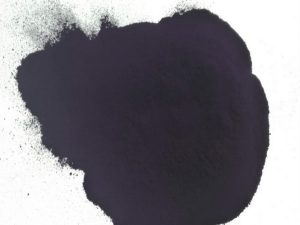
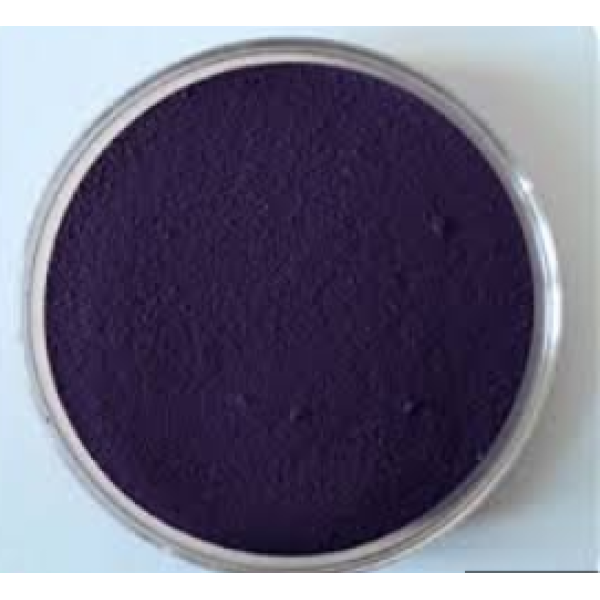
Produces a bluish-violet tone with vivid color appearance.
• Tinting Strength:
Exhibits high tinting strength suitable for coatings, plastics, and printing inks.
• Lightfastness:
Provides good lightfastness suitable for many industrial and packaging applications.
• Heat Resistance:
Maintains stable performance under typical plastic processing and coating curing temperatures.
• Dispersibility:
Can be dispersed in various resin systems using conventional pigment dispersion techniques.
• Chemical Stability:
Resistant to many common solvents and industrial chemicals.
Advantages
1.Bright violet shade with strong visual impact, ideal for packaging inks, educational materials, and decorative printing.
2.High tinting strength and good dispersion, ensuring uniform color and efficient formulation.
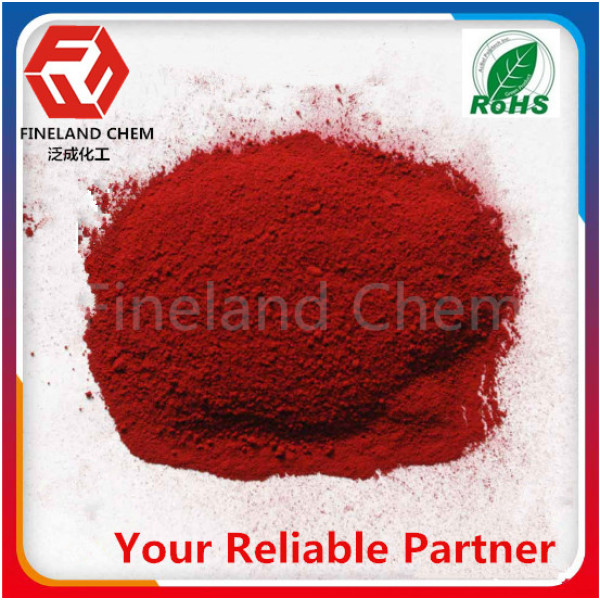
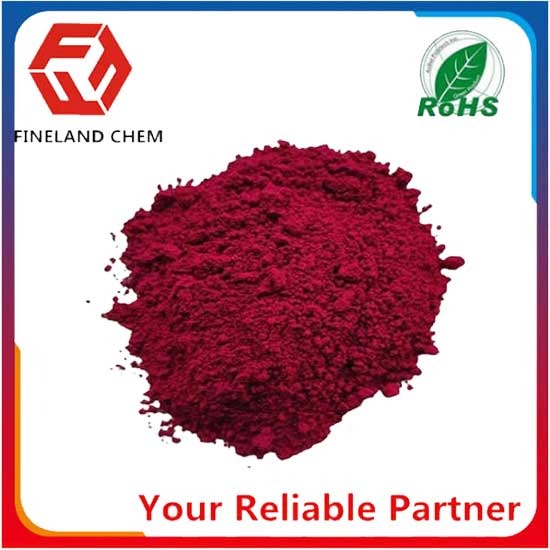
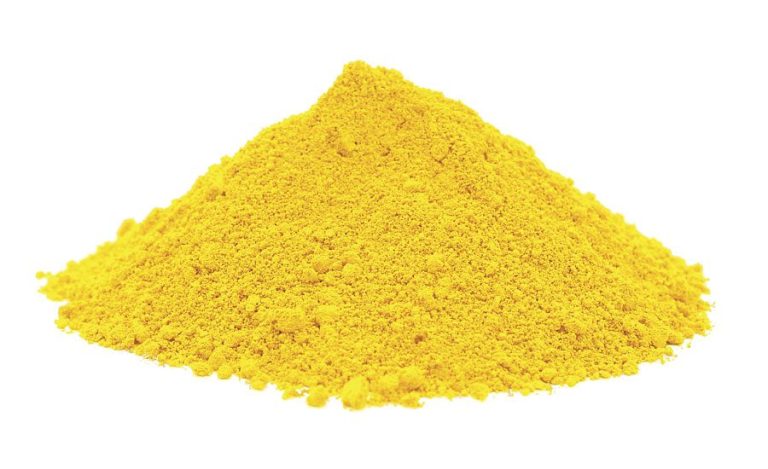
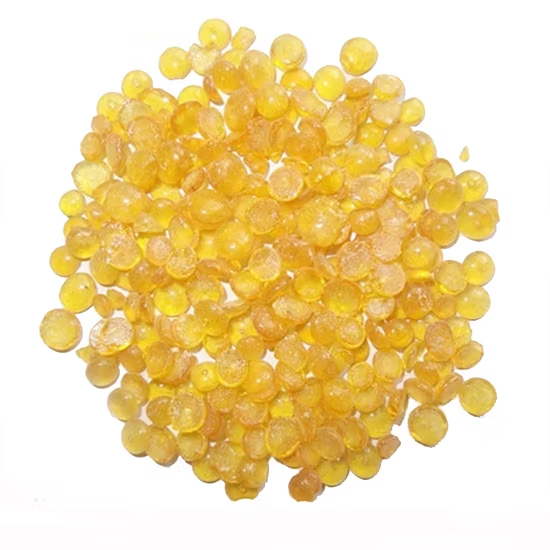
3.Available in multiple forms (powder, color chips, filter cake), providing flexibility for various ink and coating systems.
4.Cost-effective choice for indoor and short-term applications, performing well where extreme weather resistance is not required.
Typical Limitations
• Moderate Outdoor Durability:
Extended outdoor exposure may require pigments with higher weather resistance.
• Dispersion Requirements:
Proper dispersion techniques may be needed for optimal color development.
• Shade Adjustment Needs:
Blending with other pigments may be required to achieve specific violet tones.
Buyer Guidance
When evaluating Pigment Violet 3, buyers typically consider:
• Required shade tone (bluish violet vs. reddish violet)
• Intended application such as coatings, plastics, or printing inks
• Processing temperature of plastics or curing temperature of coatings
• Required tinting strength and color intensity
• Compatibility with resin, binder, or polymer systems
• Regulatory and compliance considerations
Synonyms
| PV3 Methyl Violet | Violet Toner | Pigment Violet 3 | Fast Violet Lake |
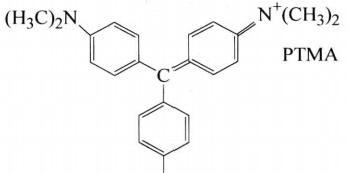
| Methyl Violet PMA | Methyl Violet PTMA | Violet Toner DD2 | Fast Bronze Violet |
| Fast Violet Toner R | Light Fast Violet Lake | Fast Violet Toner R 6250 | 6240 Fast Violet Lake |
| 6250 Fast Violet Toner R | GF Violet Toner 2R | Forthbrite Violet PTM | Foscolor PTMA Violet 3 |
| Seikalight Violet B800 | Lumiere Violet PTM 0343N | Methyl Violet PTMA Type | Pigment violet 3 (C.I. 42535:2) |
| C.I. Pigment Violet 3 |
Manufacturer and Supplier Information
Pigment Violet 3 is produced by manufacturers specializing in dioxazine organic pigments used in coatings, plastics, and printing inks. Commercial grades may vary in particle size distribution, dispersion characteristics, and surface treatment, depending on the intended industrial application.
Package and Delivery
● 25KG Kraft Bag, 400kg/500kg Carton Box
● Lead Time: Normally around 15 days after signed contract.
FAQ
1.What color shade does Pigment Violet 3 produce.
Pigment Violet 3 typically produces a bluish-violet shade used in coatings, plastics, and printing inks.
2.Is Pigment Violet 3 suitable for printing inks.
Yes. It is commonly used in gravure, flexographic, and packaging inks due to its strong color strength.
3.Can Pigment Violet 3 be used in plastics.
Yes. The pigment can be used in polyolefins, PVC, ABS, and other plastic systems depending on processing conditions.
4.What are the main characteristics of Pigment Violet 3.
Typical characteristics include bluish-violet shade, high tinting strength, good lightfastness, reliable heat resistance, and stable performance in coatings, plastics, and inks.