Typical Applications
Pigment Violet 19 is used in several industrial coloration systems.
• Automotive Coatings: OEM automotive finishes and refinish coatings requiring durable violet shades.
• Industrial Coatings: Architectural coatings, protective coatings, and general industrial paints.
• Plastics: Polyolefins such as PE and PP, PVC, ABS, and engineering plastics.
• Printing Inks: Packaging inks, offset inks, and flexographic printing systems.
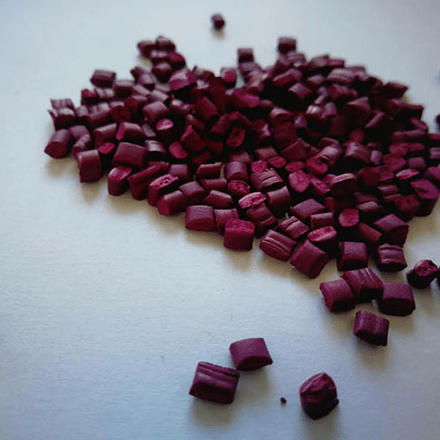
• Masterbatch: Color masterbatch production for plastic processing.
These applications benefit from the pigment’s durability and color strength.
Key Performance Properties Related to Applications
• Color Shade:
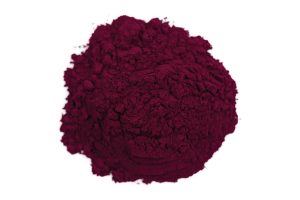
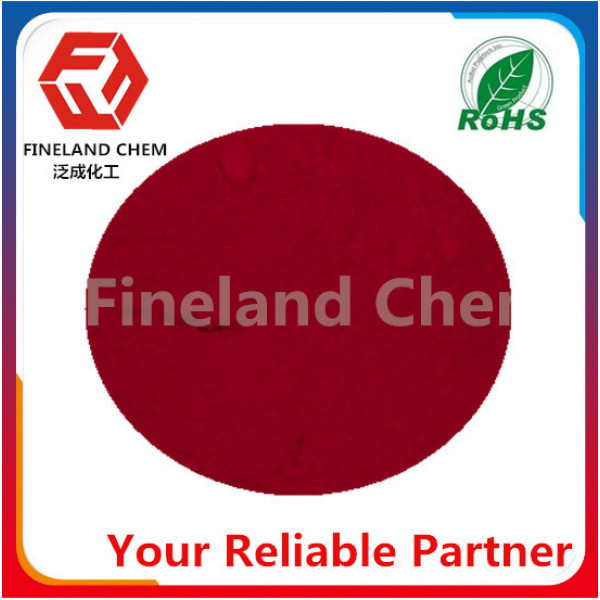
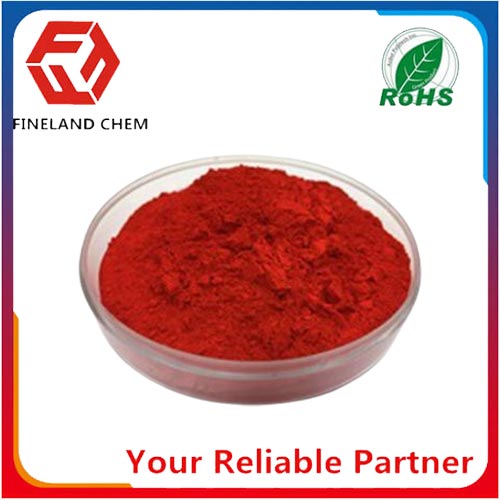
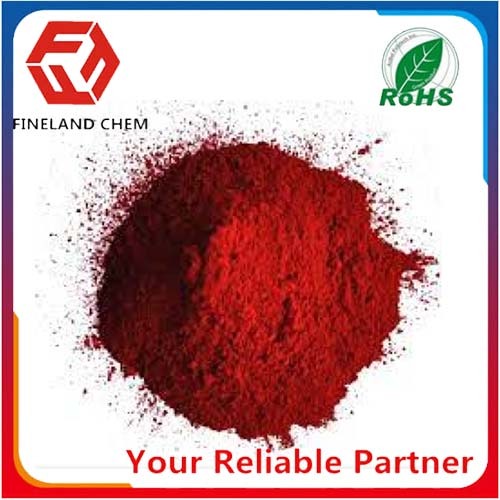
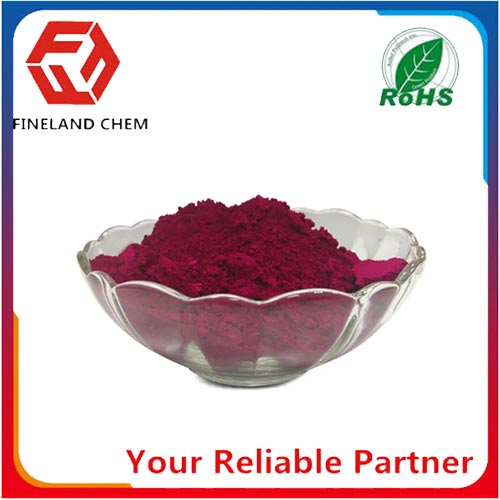
Produces reddish-violet to bluish-violet tones depending on pigment modification and formulation.
• Tinting Strength:
Provides strong tinting strength suitable for coatings, plastics, and inks.
• Lightfastness:
Offers excellent lightfastness suitable for outdoor and long-term exposure applications.
• Heat Resistance:
Maintains stable performance during coating curing and plastic processing at elevated temperatures.
• Weather Resistance:
Exhibits strong resistance to UV radiation and environmental exposure.
• Chemical Stability:
Resistant to many solvents, acids, and industrial chemicals.
Advantages
-
Excellent lightfastness and thermal stability – ensures durability in coatings, plastics, and inks.
-
Versatile for multiple applications – suitable for high-end industrial coatings, metallic decorative inks, PVC, PUR, polyolefins, and laminated films.
- Compatibility with other pigments – can be blended with pigments such as P.R.122, iron oxide red, or molybdate red to achieve desired shades and decorative effects.
Typical Limitations
• Cost Considerations:
Quinacridone pigments may be more expensive than standard azo pigments.
• Dispersion Requirements:
Proper dispersion techniques may be required for optimal color development.
• Shade Adjustment:
Different crystal forms may produce varying shades that require formulation adjustments.
Buyer Guidance
When evaluating Pigment Violet 19, buyers typically consider:
• Required shade tone (reddish violet vs. bluish violet)
• Exposure conditions such as UV radiation or outdoor weathering
• Processing temperature of plastics or curing temperature of coatings
• Required lightfastness and weather durability
• Compatibility with coating, plastic, or ink resin systems
• Regulatory and compliance considerations
Synonyms
| PV19 | Quinacridone | Quindo Violet | Violet PEC-615 |
| C.I. 73900 | C.I. 46500 | Quinacridone Violet | Monolite Violet 4R |
| Cromofine Red 6820 | Hostaperm Red E5B 31 | Fastogen Super Red 453R | Sudaperm Red Violet 2993 |
| Pigment Violet 19 (technical product) | Pigment violet 19 (C.I. 73900) | Pigmatex Brilliant Pink 3BW | Micronyl Violet RT-891-AQ |
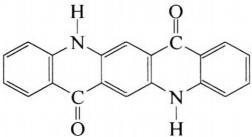
| Cinquasia Red Y RT-759-D | Quinacridone (purified by sublimation) | Quinolino[2,3-b]acridine-7,14(5H,12H)-dione | 5,12-dihydroquin[2,3-b]acridine-7,14-dione |
| 5,12-dihydroquinolino[2,3-b]acridine-7,14-dione |
Manufacturer and Supplier Information
Pigment Violet 19 is produced by manufacturers specializing in quinacridone organic pigments used in coatings, plastics, and printing inks. Commercial grades may vary in crystal form, particle size distribution, and dispersion characteristics, depending on the intended application and performance requirements.
Package and Delivery
● 25KG Kraft Bag, 400kg/500kg Carton Box
● Lead Time: Normally around 15 days after signed contract.
FAQ
1.What color shade does Pigment Violet 19 produce.
Pigment Violet 19 typically produces reddish-violet to bluish-violet shades, depending on pigment modification and formulation.
2.Is Pigment Violet 19 suitable for automotive coatings.
Yes. It is widely used in automotive OEM and refinish coatings due to its excellent lightfastness and weather resistance.
3.Can Pigment Violet 19 be used in plastics.
Yes. The pigment is commonly used in polyolefins, PVC, ABS, and engineering plastics depending on processing conditions.
4.What are the main characteristics of Pigment Violet 19.
Typical characteristics include vivid violet shades, strong color strength, excellent lightfastness, good heat resistance, and durable performance in coatings, plastics, and printing inks.