The global pigment dispersions market is expected to experience steady expansion over the next decade, driven by increasing demand for environmentally friendly formulations, high-performance coatings, and advanced materials used across multiple industries.
According to recent industry research, pigment dispersions are becoming increasingly important in sectors such as architectural coatings, industrial paints, plastics, packaging, and printing inks. As regulatory pressures intensify and manufacturers shift toward more sustainable production practices, dispersion technology is emerging as a key area of innovation in the pigment and colorants industry.
For pigment suppliers, coatings formulators, and raw material producers, the evolving market signals both new opportunities and new challenges in formulation technology, supply chain stability, and product performance.
Growing Demand Across Multiple Industries
Pigment dispersions play a crucial role in modern coating and coloring systems because they allow pigments to be evenly distributed within liquid formulations. This ensures consistent color strength, improved stability, and better application performance.
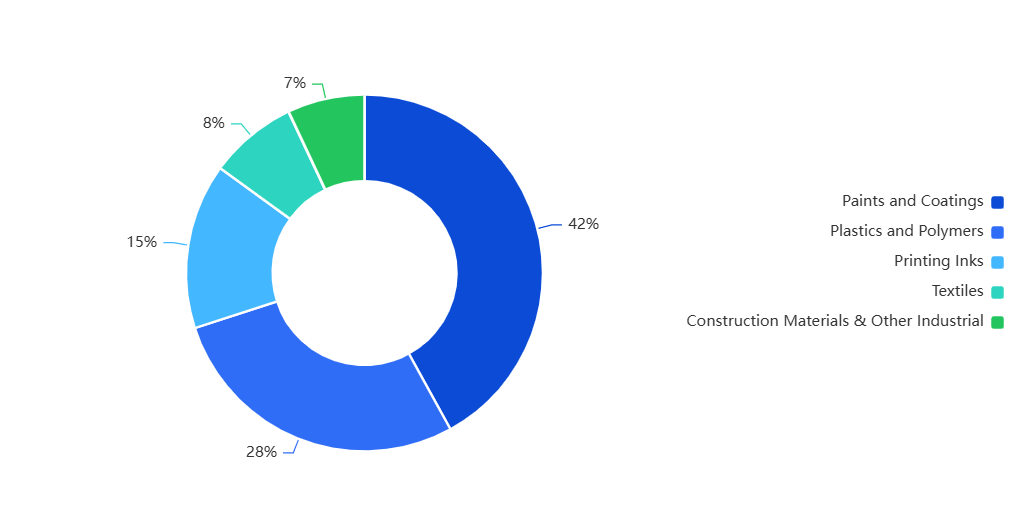
The demand for pigment dispersions is closely linked to growth in several major downstream industries.
Coatings and Paints
The coatings industry remains one of the largest consumers of pigment dispersions. Architectural coatings, industrial coatings, and automotive finishes rely heavily on dispersion technology to achieve consistent coloration and durability.
As global construction activity continues to expand—particularly in emerging markets—demand for architectural coatings is expected to remain strong. These coatings require pigments that can provide long-term color stability, weather resistance, and reliable dispersion performance.
The coatings sector is also undergoing a shift toward more environmentally friendly formulations, which is increasing demand for water-based pigment dispersions.
Companies looking to understand broader coatings trends may also find insights in our analysis of the Architectural Coatings Market Outlook 2026, which examines how construction activity and sustainability trends are shaping pigment demand.
Plastics and Polymer Applications
Plastics represent another important application area for pigment dispersions. As polymer materials continue to replace traditional materials in automotive components, consumer goods, and packaging, the need for reliable color systems has grown significantly.
Pigment dispersions used in plastics must meet strict requirements, including:
-
Heat stability during processing
-
High color strength
-
Chemical resistance
-
Consistent particle distribution
Advanced dispersion technologies allow manufacturers to achieve more precise color control while reducing the amount of pigment required in formulations.
Printing Inks and Packaging
The printing and packaging industries are also major consumers of pigment dispersions. High-quality inks used in flexible packaging, labels, and commercial printing rely on finely dispersed pigments to produce vivid colors and sharp images.
With the rapid expansion of e-commerce and packaged goods markets worldwide, demand for high-performance printing inks continues to grow. This trend is creating new opportunities for pigment dispersion suppliers that can deliver consistent quality and compatibility with modern ink systems.
Sustainability Driving Innovation
One of the most significant forces shaping the pigment dispersions market today is the global push toward sustainability. Environmental regulations and consumer expectations are encouraging manufacturers to reduce volatile organic compounds (VOC), minimize hazardous materials, and improve the overall environmental footprint of chemical products.
As a result, many coatings and ink producers are transitioning from traditional solvent-based formulations to water-based and low-VOC systems.
Pigment dispersions are particularly well suited to this shift because they allow pigments to be pre-dispersed in environmentally friendly carriers, simplifying the formulation process and improving product stability.
In addition to regulatory compliance, sustainable formulations can also deliver operational benefits such as:
-
Reduced processing time
-
Lower energy consumption during mixing
-
Improved production efficiency
These advantages are encouraging wider adoption of dispersion technologies across the coatings and plastics industries.
Supply Chain Stability and Market Adaptation
While long-term demand trends remain positive, the pigment industry has also faced increasing supply chain uncertainty in recent years. Global logistics disruptions, geopolitical tensions, and raw material volatility have all affected the availability and pricing of pigments and chemical intermediates.
For example, geopolitical developments in key trade routes can affect shipping costs and delivery schedules for raw materials used in pigment production. These challenges highlight the importance of resilient supply chains and diversified sourcing strategies.
Our earlier analysis on Geopolitical Tensions in the Middle East: Potential Impacts on the Global Pigment Supply Chain explores how global trade disruptions may influence pigment pricing, freight costs, and raw material availability.
In response to these challenges, many manufacturers are strengthening supply networks, increasing inventory buffers, and investing in regional production capabilities to ensure consistent supply.
Technology Advancements in Dispersion Systems
Technological innovation continues to play a major role in the evolution of pigment dispersions. New dispersion methods and additives are improving the ability of formulators to achieve uniform pigment distribution while maintaining excellent stability over time.
Some of the key technical developments include:
-
Improved dispersing agents that enhance pigment wetting
-
Advanced milling technologies that produce finer particle sizes
-
Formulation strategies designed to prevent pigment agglomeration
These advancements help manufacturers achieve stronger color performance, better gloss control, and improved coating durability.
In industrial coatings applications, optimized pigment dispersion can also reduce formulation costs by maximizing pigment efficiency.
Regional Market Trends
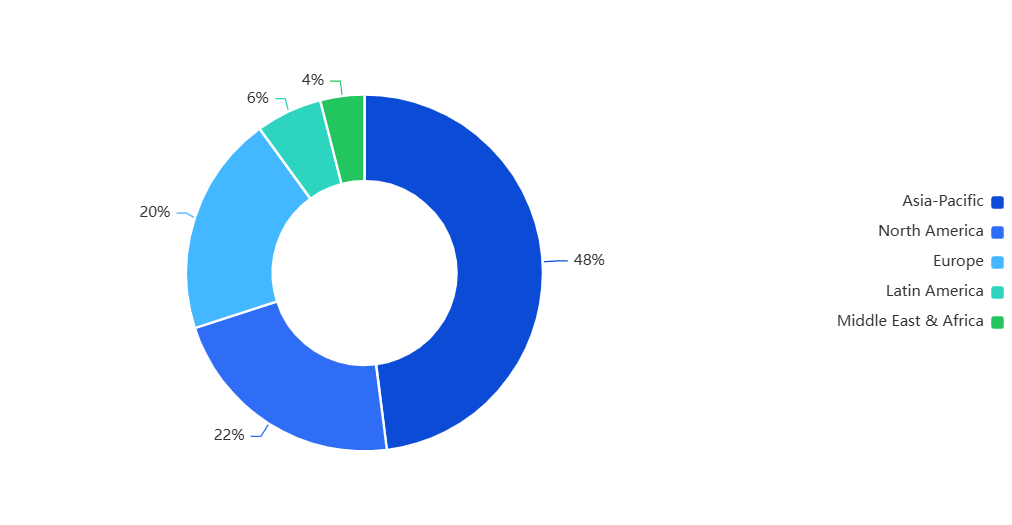
The global pigment dispersions market shows strong regional variation in demand patterns.
Asia-Pacific
Asia-Pacific remains the largest and fastest-growing market for pigment dispersions, driven by rapid industrialization, expanding manufacturing capacity, and strong demand from the coatings and plastics industries.
Countries such as China, India, and Southeast Asian economies continue to invest heavily in construction and infrastructure, supporting demand for architectural coatings and related pigment products.
Europe and North America
In mature markets such as Europe and North America, growth is more closely tied to technological innovation and regulatory developments.
Environmental regulations in these regions are encouraging the development of low-VOC and sustainable pigment dispersions, pushing suppliers to invest in greener formulations and more advanced dispersion technologies.
Long-Term Market Outlook
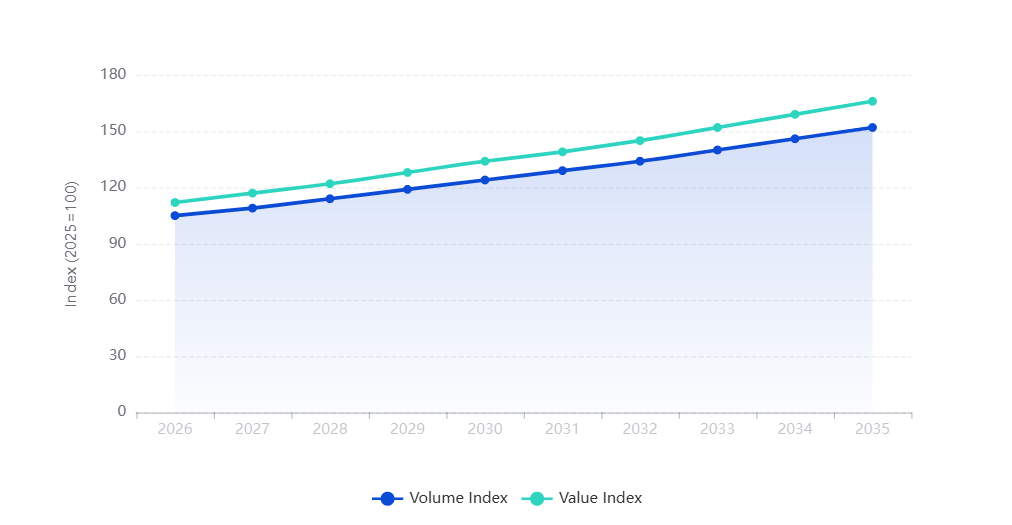
Looking ahead, industry analysts expect the pigment dispersions market to continue expanding steadily through the next decade.
Key factors supporting long-term growth include:
-
Increasing demand for environmentally friendly coatings
-
Expanding global construction and infrastructure projects
-
Growing packaging and printing industries
-
Technological improvements in pigment dispersion systems
As these trends continue to develop, pigment suppliers that can offer high-performance dispersions, reliable supply chains, and sustainable formulations will be well positioned to capture market opportunities.
Conclusion
The pigment dispersions market is entering a period of steady and sustained development. Driven by environmental regulations, technological innovation, and expanding demand across coatings, plastics, and printing industries, dispersion technologies are becoming increasingly central to modern pigment applications.
Although challenges such as raw material volatility and supply chain disruptions remain, companies that focus on innovation, sustainability, and supply reliability are likely to benefit from the market’s long-term growth trajectory.
For pigment manufacturers and chemical suppliers, the coming decade will present opportunities to develop more advanced dispersion systems while strengthening partnerships across the global coatings and materials industries.
References
-
IndexBox Market Intelligence – Pigment Dispersions Market Forecast to 2035
https://www.indexbox.io/blog/pigment-dispersions-market-forecast-points-higher-toward-2035-driven-by-sustainable-formulations/ -
Grand View Research – Pigment Dispersion Market Size & Industry Trends
https://www.grandviewresearch.com/industry-analysis/pigment-dispersion-market -
MarketsandMarkets – Pigment Dispersions Market Global Forecast Report
https://www.marketsandmarkets.com/Market-Reports/pigment-dispersions-market-161336098.html