
Introduction to Pigment Dispersion
Pigment dispersion is a critical step in the production of coatings, plastics, and inks. Since pigments are insoluble particles, they must be properly dispersed into a medium to achieve uniform color, optimal performance, and long-term stability.
A well-dispersed pigment system improves color strength, gloss, durability, and consistency, while poor dispersion can lead to defects such as agglomeration, color inconsistency, and reduced performance.
1. Understanding Pigment Particle Structure
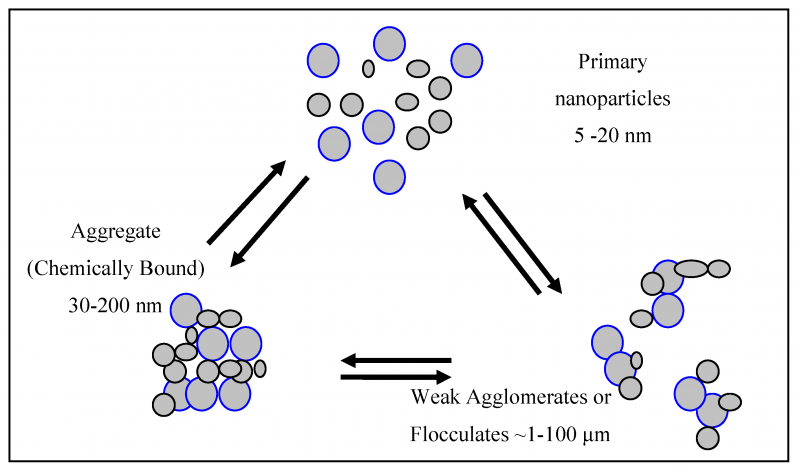
Before discussing dispersion techniques, it is essential to understand the physical structure of pigments. Pigments typically exist in three forms:
- Primary particles
- Aggregates (strongly bonded clusters)
- Agglomerates (loosely bound clusters)
Dispersion focuses on breaking down agglomerates into smaller units while maintaining the integrity of primary particles.
For a deeper understanding of how dispersion affects final performance, refer to:
https://www.finelandchem.com/why-dispersion-quality-determines-the-final-performance-of-industrial-pigments/
2. The Three Key Stages of Pigment Dispersion
Effective pigment dispersion involves three fundamental stages:
Wetting
The liquid medium replaces air on the pigment surface, allowing particles to be fully immersed. Proper wetting reduces surface tension and prepares pigments for further processing.
Deagglomeration (Grinding)
Mechanical energy is applied to break down agglomerates into smaller particles. This step is crucial for achieving uniform particle size distribution.
Stabilization
Dispersing agents or resins prevent re-agglomeration by creating repulsive forces between particles, ensuring long-term stability.
3. Mechanical Dispersion Techniques
Several industrial techniques are used to achieve efficient pigment dispersion:
High-Speed Dispersers
Commonly used in coatings and inks, these mixers generate shear forces to break down pigment clusters.
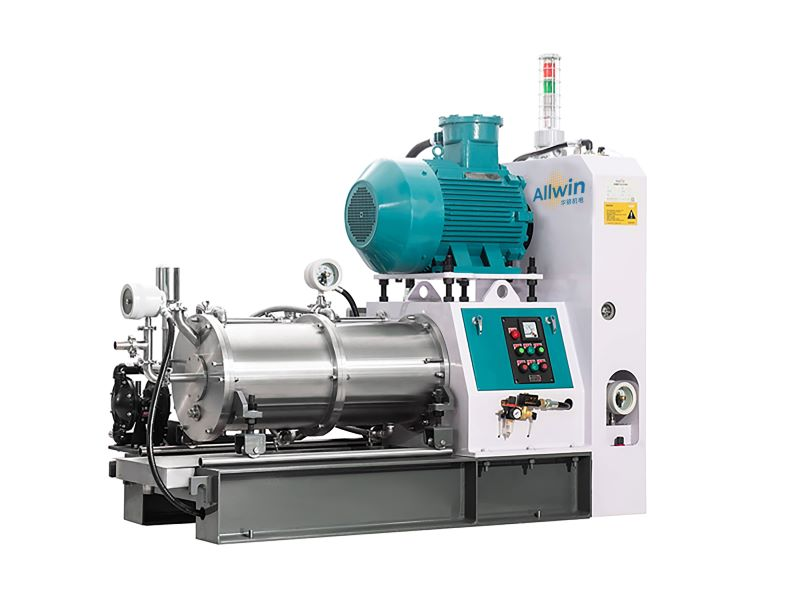
Bead Mills (Sand Mills)
Use grinding media such as zirconia or glass beads to achieve fine particle size and uniform dispersion.
Three-Roll Mills
Typically used in high-viscosity systems like inks, providing precise control over dispersion quality.
The choice of method depends on factors such as viscosity, particle size requirements, and application.
4. Role of Dispersing Agents
Dispersants play a vital role in maintaining stable pigment systems. They function by:
- Reducing surface tension
- Improving wetting efficiency
- Providing electrostatic or steric stabilization
Proper dispersant selection ensures improved color uniformity, storage stability, and processing efficiency.
5. Factors Affecting Dispersion Quality
Several parameters influence the final dispersion result:
- Viscosity of the system
- Energy input during grinding
- Pigment concentration
- Type and dosage of dispersants
- Processing time
Optimizing these factors is essential for achieving consistent industrial performance.
For more insights into selecting suitable pigments for specific systems, see:
https://www.finelandchem.com/how-to-choose-the-right-industrial-pigment-for-coatings-and-plastics/
6. Common Dispersion Challenges
Industrial chemists often encounter issues such as:
- Re-agglomeration after dispersion
- Poor color development
- Sedimentation during storage
- Inconsistent batch quality
These challenges are often linked to insufficient dispersion energy, improper formulation, or inadequate stabilization.
Understanding storage-related stability is also important:
https://www.finelandchem.com/key-factors-that-affect-industrial-pigment-stability-in-storage-and-transport/
7. Impact on Final Product Performance
The quality of pigment dispersion directly affects:
- Color strength and shade accuracy
- Gloss and surface finish
- Mechanical properties
- Weather resistance and durability
In applications such as coatings, good dispersion contributes significantly to long-term performance and visual appearance.
[Image Alt Text: “comparison of well dispersed vs poorly dispersed pigment coating”]
Conclusion
Pigment dispersion is a fundamental process that determines the success of industrial color applications. By understanding particle structure, optimizing dispersion stages, selecting appropriate equipment, and controlling formulation variables, industrial chemists can achieve high-performance, stable, and consistent pigment systems.
Mastering these dispersion techniques is essential for improving both product quality and production efficiency across coatings, plastics, and ink industries.