In industrial supply chains, pigment stability is not about retail packaging or climate-controlled storage rooms—it is about maintaining consistent performance across bulk volumes, long transit routes, and complex B2B manufacturing environments.
For manufacturers supplying coatings, plastics, masterbatch, construction materials, and ink producers, pigment stability during storage and transport directly affects:
-
Batch-to-batch color consistency
-
Dispersion efficiency
-
Production yield
-
Customer complaint rates
-
Overall operational cost
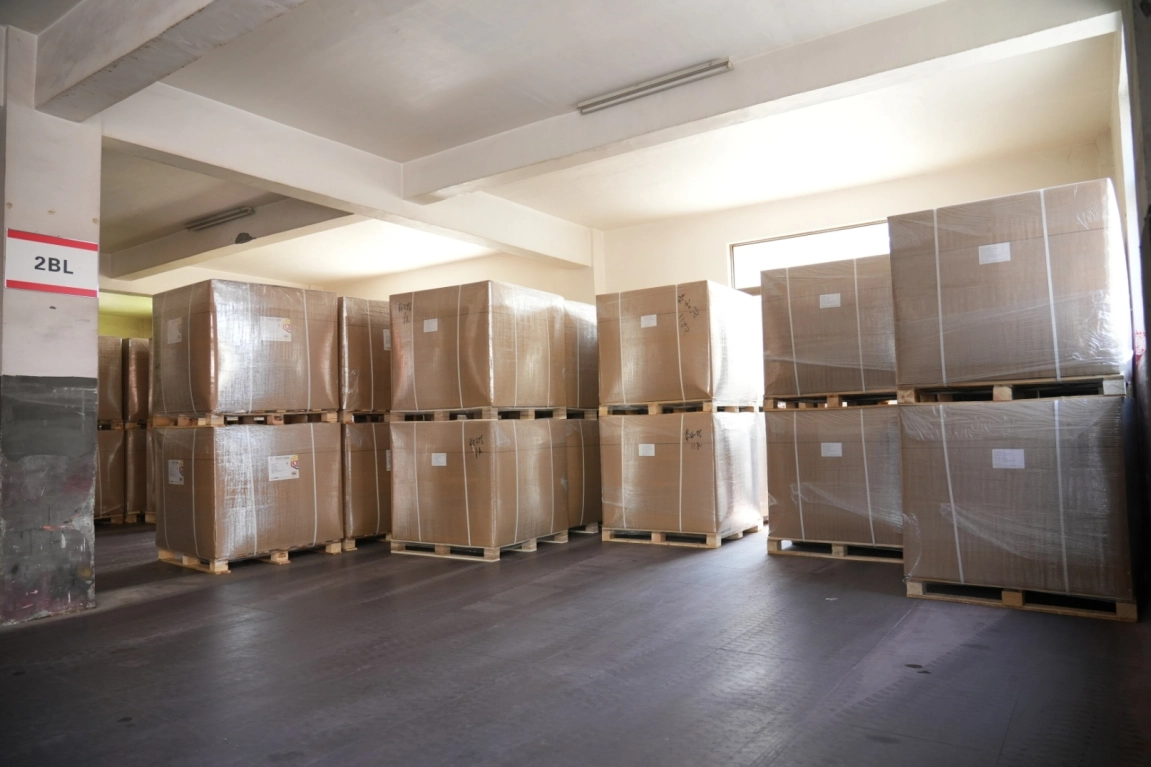
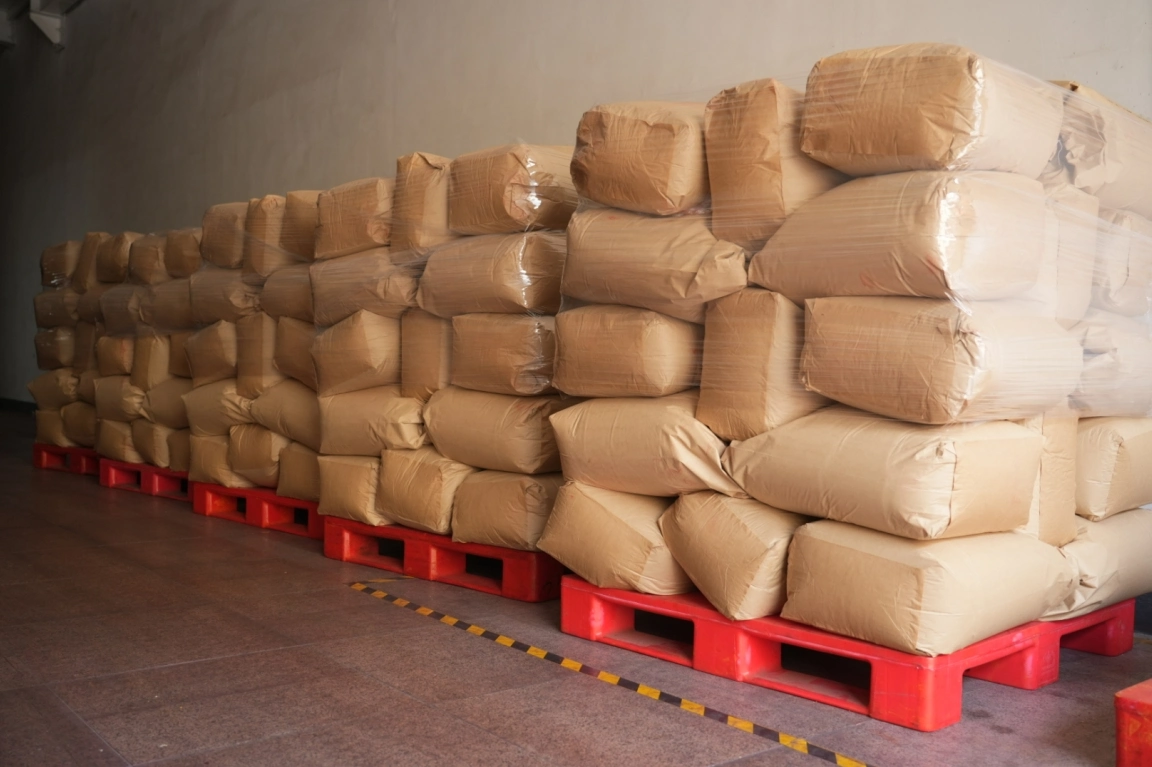
This article focuses specifically on bulk industrial pigment handling in B2B environments, particularly under standard ambient storage conditions and typical export packaging formats such as 25KG Kraft bags and 400kg/500kg carton boxes.
1. Ambient Temperature Variations (Not Temperature Control, but Temperature Fluctuation)
In most industrial warehouses, pigments are stored under normal ambient conditions, not temperature-controlled systems. However, fluctuations between day and night temperatures—or seasonal shifts—can still influence stability.
Potential impacts include:
-
Gradual oxidation in sensitive organic pigments
-
Increased compaction in high-density inorganic pigments
-
Variation in flowability
-
Moisture condensation during large temperature swings
For bulk packaging formats such as 25KG Kraft bags stacked on pallets or 400kg/500kg carton boxes, internal temperature may lag behind ambient temperature, creating micro-environments inside the packaging.
Key control focus:
Rather than temperature control systems, industrial suppliers should emphasize:
-
Avoiding direct exposure to heat sources
-
Ensuring dry, ventilated warehouses
-
Reducing long-term exposure to extreme seasonal conditions
2. Humidity and Moisture Management in Bulk Packaging
Unlike small sealed retail units, industrial pigments are commonly packed in:
-
25KG Kraft paper bags
-
400kg or 500kg carton boxes
-
Palletized stretch-wrapped shipments
These formats are practical and cost-efficient for B2B trade, but they are not fully airtight systems. Therefore, humidity control becomes the primary stability factor.
Moisture-related risks include:
-
Caking and hardening
-
Reduced dispersibility
-
Increased dust formation after drying cycles
-
Flow property variation during processing
This is especially relevant during:
-
Sea freight transportation
-
Long container dwell times
-
Storage in tropical or high-humidity regions
Industrial best practices include:
-
Using inner PE liners inside Kraft bags
-
Applying pallet stretch wrapping
-
Container desiccants during sea shipment
-
Avoiding floor-level storage
3. Mechanical Compaction and Load Pressure
In B2B pigment logistics, mechanical stress is often underestimated.
During storage and transportation:
-
Pallets are stacked
-
Carton boxes carry heavy vertical loads
-
Containers experience vibration and impact
Over time, bulk pigments may undergo:
-
Particle compaction
-
Increased bulk density
-
Reduced flowability
-
Agglomeration
This is particularly important for fine powder pigments used in high-precision masterbatch or coating systems.
Preventive measures include:
-
Proper pallet stacking height control
-
Avoiding excessive vertical compression
-
Ensuring container load stabilization
-
Minimizing long-term storage under heavy weight
4. Storage Duration and Inventory Turnover
In B2B operations, pigments are often stored for extended periods before being integrated into production lines.
Even under stable ambient conditions, long storage times may lead to:
-
Slight oxidation in organic pigments
-
Gradual reduction in tinting strength
-
Minor dispersion efficiency loss
-
Flow consistency variation
Industrial operations should implement:
-
FIFO (First-In, First-Out) systems
-
Clear batch labeling
-
Periodic re-evaluation for long-stored inventory
-
Technical data documentation for traceability
Efficient inventory turnover is often more critical than environmental control in maintaining pigment stability.
5. Pigment Type and Chemical Structure
Different pigment chemistries react differently to storage conditions.
Organic Pigments
-
Higher chroma and tinting strength
-
More sensitive to oxidation and humidity
-
Greater risk of slight color drift over time
Inorganic Pigments
-
Superior thermal stability
-
Strong resistance to UV and oxidation
-
Generally more stable during long storage
Surface-Treated Pigments
-
Improved flowability
-
Better dispersion behavior
-
Increased resistance to moisture-related caking
Understanding the pigment’s chemical profile is essential for predicting storage performance in bulk B2B logistics.
6. Cross-Contamination in Industrial Warehouses
In large-scale industrial facilities, pigments are typically stored near other raw materials.
Potential contamination risks include:
-
Solvent vapors
-
Acidic or alkaline materials
-
Construction dust
-
Cross-product mixing during handling
Even small contamination can impact:
-
Color purity
-
Chemical compatibility
-
Downstream formulation stability
B2B pigment suppliers should emphasize:
-
Dedicated pigment storage zones
-
Clear pallet labeling
-
Clean handling procedures
-
Controlled warehouse traffic flow
7. Transportation Environment (Land and Sea Freight)
For international B2B pigment trade, transportation conditions significantly affect stability.
Key risks during shipping:
-
Container humidity (container rain)
-
Temperature cycling
-
Long transit times
-
Port delays
Using container desiccants and proper pallet wrapping can significantly reduce moisture exposure risks during ocean freight.
For land transport, vibration control and stable palletization reduce mechanical stress.
Best Practices for B2B Industrial Pigment Stability
To ensure consistent pigment performance in industrial supply chains:
-
Store in dry, ventilated warehouses under normal ambient conditions
-
Use PE liners inside 25KG Kraft bags
-
Apply pallet wrapping for moisture and dust control
-
Avoid excessive pallet stacking pressure
-
Implement FIFO inventory systems
-
Monitor long storage batches before production use
-
Use desiccants for export container shipments
Industrial pigment stability is not about luxury storage systems—it is about disciplined warehouse management, correct packaging structure, and understanding the physical and chemical behavior of pigments.
Conclusion
In B2B industrial pigment supply chains, stability depends primarily on humidity management, mechanical load control, storage duration, and pigment chemistry.
For bulk packaging formats such as 25KG Kraft bags and 400kg/500kg carton boxes, the focus should remain on practical warehouse discipline rather than specialized temperature or UV control systems.
By optimizing pallet stacking, moisture prevention, inventory turnover, and transport protection, manufacturers can maintain pigment performance from factory to end-user production lines—ensuring color consistency, processing efficiency, and long-term industrial reliability.
FAQ
1. Do industrial pigments require temperature-controlled storage?
In most B2B environments, normal ambient storage is sufficient. However, large temperature fluctuations and high humidity should be minimized.
2. Why do pigments cake during storage?
Caking is mainly caused by moisture exposure and mechanical compaction under pallet stacking pressure.
3. Is 25KG Kraft bag packaging suitable for export?
Yes, it is widely used in global B2B trade, especially when combined with PE liners and pallet wrapping.
4. How can we prevent pigment hardening during sea freight?
Using container desiccants, proper pallet wrapping, and avoiding long port dwell times can significantly reduce moisture risks.
5. Does long storage affect pigment color strength?
Over extended periods, especially with organic pigments, slight reductions in tinting strength or dispersion performance may occur.