Why Color Consistency Matters in Industrial Manufacturing
In industrial production—whether in coatings, plastics, or printing inks—color consistency is a critical quality parameter. Even minor deviations between batches can lead to rejected products, customer complaints, and increased operational costs.
Maintaining consistent color output requires control over pigment selection, dispersion, formulation design, and processing parameters. Advanced pigments, engineered for stability and reproducibility, provide an important foundation for minimizing variation.
Understanding the Sources of Color Variation
Color inconsistency in industrial production can result from:
-
Variations in pigment particle size distribution
-
Inadequate dispersion or flocculation
-
Differences in pigment concentration
-
Binder–pigment incompatibility
-
Processing fluctuations (temperature, shear, mixing time)
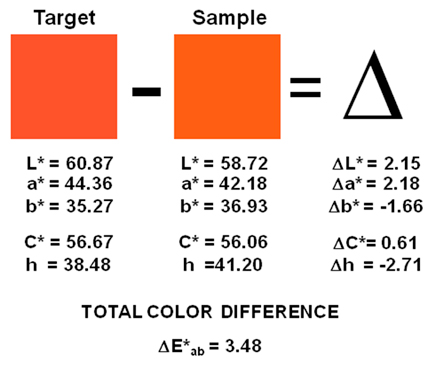
Color differences are commonly evaluated using Delta E (ΔE), which quantifies the measurable distance between two colors in a defined color space. Even small ΔE values can be significant in high-precision industries.
For a technical explanation of color properties such as lightness, chroma, and hue—and how they are quantified—see:
Pigment Theory and Color Science Training Session
Advanced Pigments and Batch-to-Batch Stability
Modern high-performance pigments are developed with improved control over:
-
Crystal structure
-
Surface treatment
-
Particle size distribution
-
Tinting strength consistency
These characteristics reduce variability in color development during production.
Choosing the right pigment type for the target system is equally important. Different substrates—such as coatings, ABS, polyolefins, or engineering plastics—respond differently to pigment chemistry and dispersion behavior. A comparative overview of pigment classes can be found here:
Organic vs Inorganic Pigments: Which Performs Better in Industrial Applications
In demanding applications where chromatic precision is required, stable organic pigments such as high-performance DPP reds are often selected because of their predictable color strength and durability.
Dispersion Control as a Critical Factor
Even the most advanced pigment will not perform consistently without proper dispersion.
Poor dispersion leads to:
-
Uneven color development
-
Reduced gloss
-
Increased ΔE variation
-
Surface defects
Industrial milling systems must ensure complete wetting, effective deagglomeration, and long-term stabilization of pigment particles.
For a deeper technical discussion of how dispersion quality affects final pigment performance, see:
Why Dispersion Quality Determines the Final Performance of Industrial Pigments
[Image Alt Text: “Industrial bead mill pigment dispersion process”]
Process Standardization and Quality Monitoring
Improving color consistency requires integration between pigment properties and manufacturing discipline. Key strategies include:
-
Controlled pigment dosing
-
Standardized dispersion energy input
-
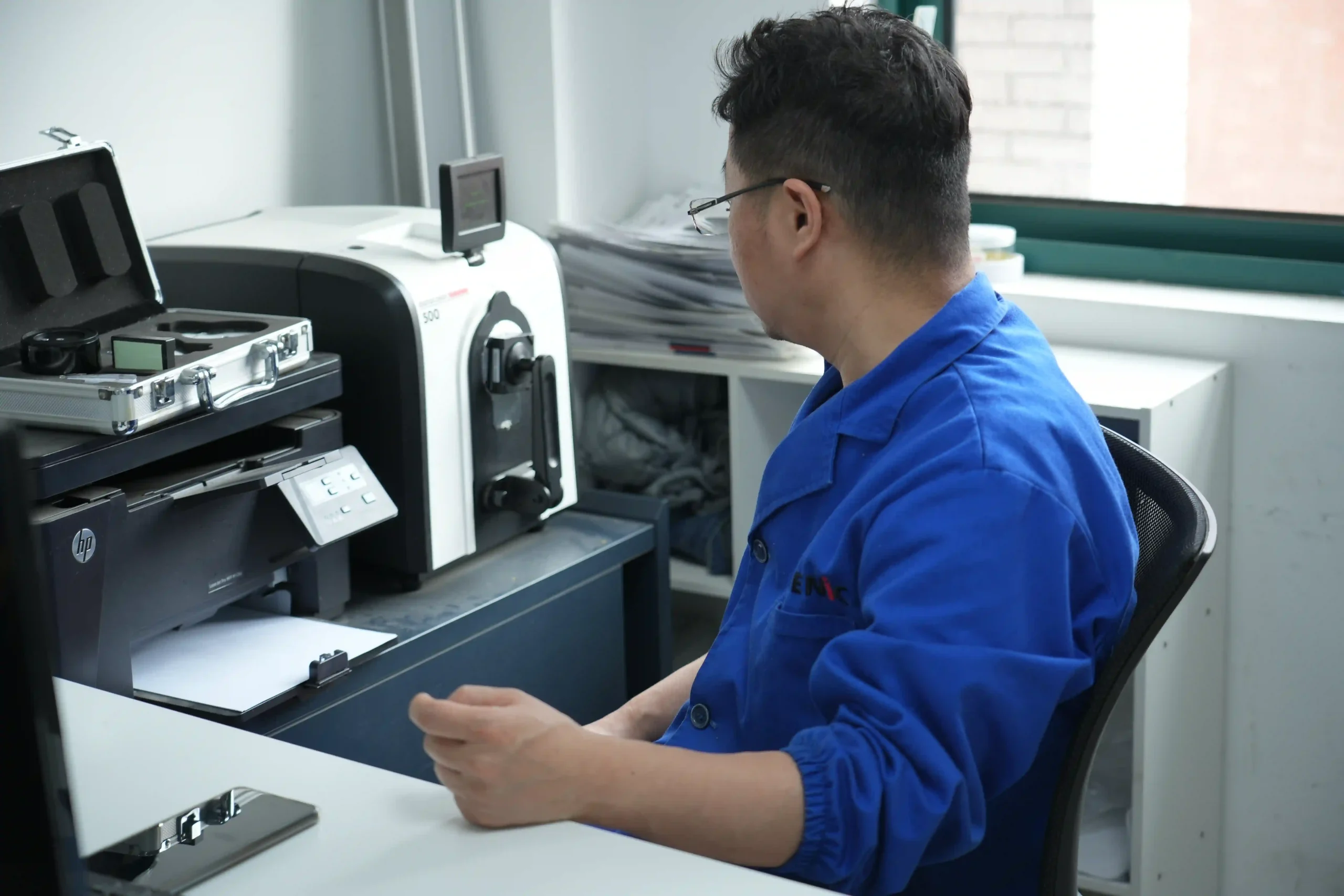
Colorimeter-based color verification
-
Statistical process control (SPC)
-
Raw material traceability
Digital color management systems are increasingly used to reduce human error and improve repeatability in large-scale production environments.
Selecting appropriate pigments for specific applications—such as high-temperature plastics or outdoor coatings—also plays a significant role in long-term stability. A broader guide to pigment selection across industrial systems is available here:
How to Choose the Right Industrial Pigment for Coatings and Plastics
Long-Term Stability and Environmental Exposure
Color consistency does not end at production. Exposure to UV radiation, heat, and chemicals may alter pigment performance over time.
High-performance pigments with strong lightfastness and weather resistance help ensure that color remains stable throughout the product lifecycle—especially in architectural and industrial coatings. Related durability considerations are discussed in:
How Pigments Enhance Coating Durability and Gloss
Conclusion
Color consistency in industrial production is achieved through a combination of:
-
Advanced pigment engineering
-
Controlled dispersion processes
-
Standardized manufacturing practices
-
Continuous color monitoring
By integrating these elements, manufacturers can significantly reduce batch variation, improve product reliability, and maintain stable visual performance across diverse industrial applications.