Recent geopolitical tensions involving Iran, Israel, and the United States have raised concerns across global markets. While headlines often focus on oil prices and political developments, the ripple effects extend far beyond energy markets and directly influence global trade, logistics, and manufacturing industries—including the pigment and coatings sector.
For pigment manufacturers, coatings producers, and industrial buyers, the evolving geopolitical environment may bring increased uncertainty in shipping routes, raw material availability, exchange rates, and pricing structures. Understanding these risks early can help companies prepare strategies to maintain stable supply chains and minimize operational disruptions.
Shipping Disruptions and Rising Freight Costs
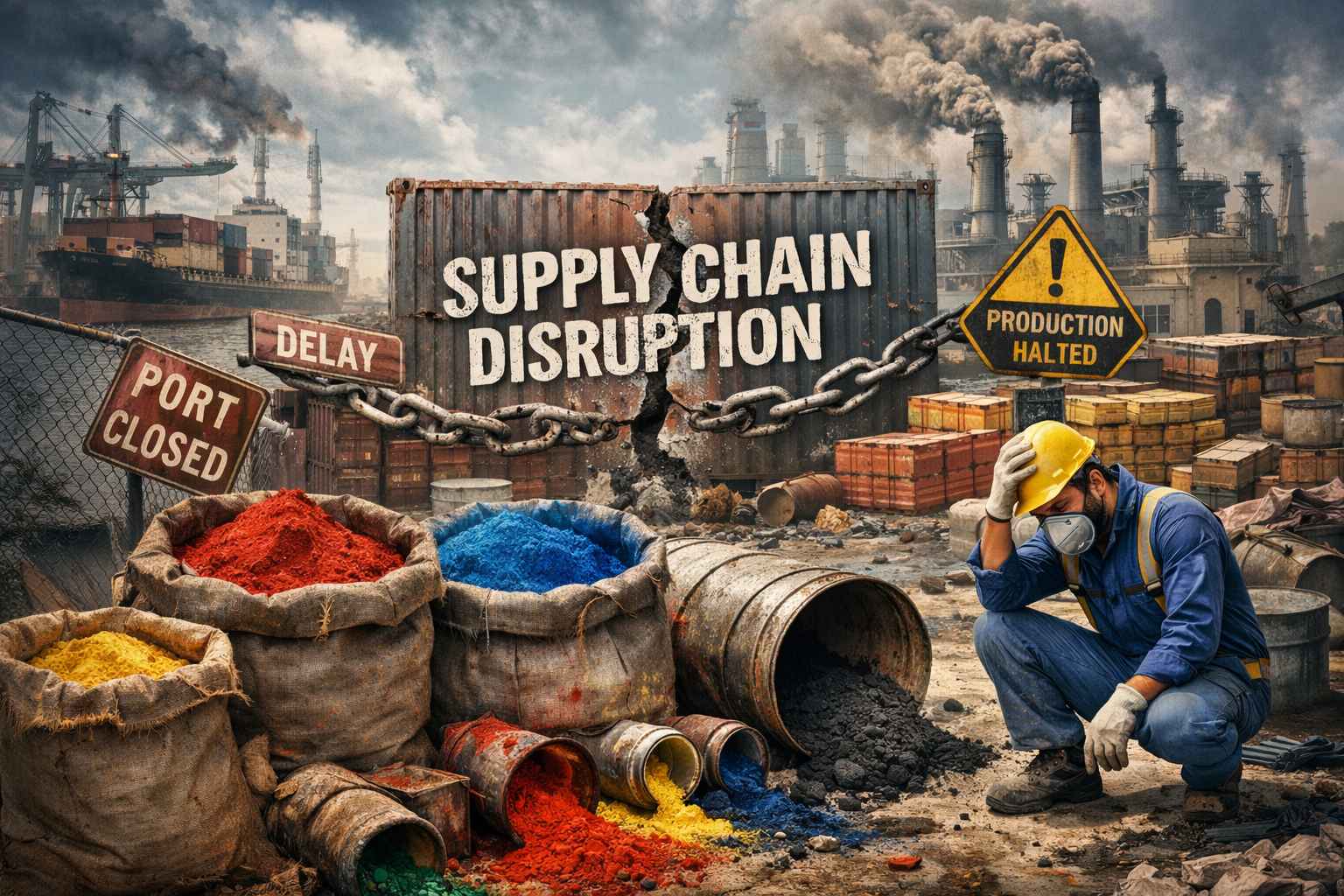
One of the most immediate consequences of the regional conflict is the disruption of major maritime transportation routes in the Middle East. Strategic waterways such as the Strait of Hormuz and the Red Sea shipping corridor play a crucial role in global trade flows.
If tensions escalate or security risks increase, shipping companies may divert vessels away from high-risk zones. In recent years, similar disruptions have already forced many vessels to avoid the Red Sea and reroute around the Cape of Good Hope, adding 10–14 days of transit time and significantly increasing fuel consumption and freight costs.
For industries that rely heavily on international logistics—including pigments, resins, and specialty chemicals—longer transit times create several challenges:
-
Higher container freight rates
-
Increased delivery uncertainty
-
Greater inventory pressure for importers and distributors

Because pigment supply chains often involve international raw material sourcing and global distribution, rising logistics costs can quickly translate into higher pigment prices and longer lead times for customers.
Raw Material Volatility and Supply Instability
Another important impact of geopolitical instability is stronger volatility in raw material markets. When transportation routes become constrained or uncertain, the supply of key chemical intermediates and feedstocks can fluctuate significantly.
Pigment production depends on a variety of upstream raw materials, including petrochemical derivatives, aromatic intermediates used in organic pigments, mineral resources used in inorganic pigments, and energy inputs such as electricity and natural gas.
If shipping routes become unreliable, suppliers may experience delays in raw material deliveries, creating temporary shortages or uneven market supply.
This situation often results in two parallel effects:
-
Raw material prices may fluctuate sharply due to uncertain supply.
-
Pigment production planning becomes more difficult, leading to unstable supply in the market.
Supply chain instability can also affect pigment dispersion quality and batch consistency in coatings manufacturing. For companies looking to maintain product reliability during volatile market conditions, improving formulation stability becomes increasingly important. Our related analysis on Improving Color Consistency in Industrial Production with Advanced Pigments provides further insight into maintaining stable coloration performance during production.
Energy Prices and Chemical Production Costs
The Middle East remains one of the most important global energy hubs. Any escalation in regional conflict often triggers immediate reactions in the oil and gas markets.
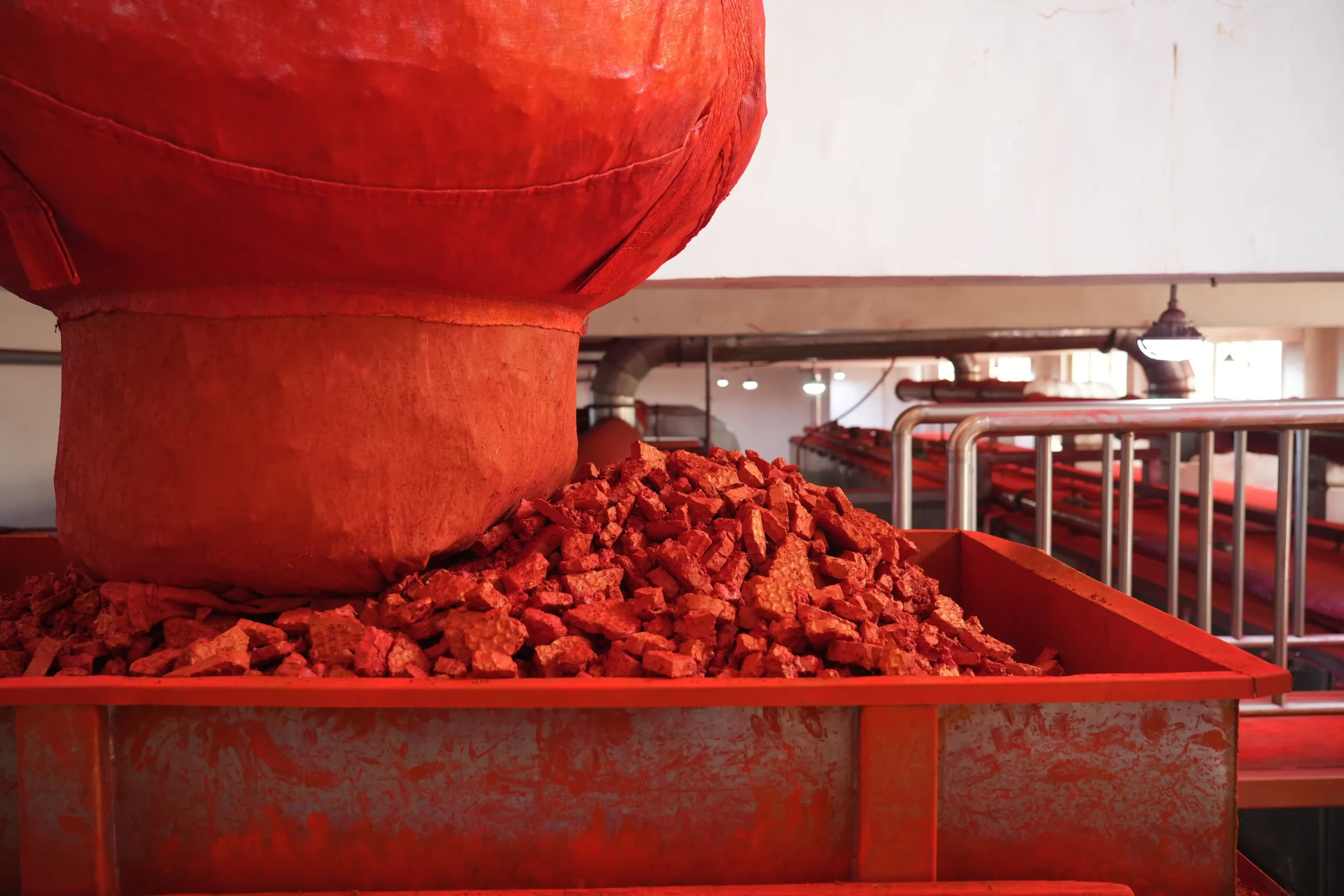
Energy prices play a major role in the chemical industry because pigment manufacturing processes—especially calcination, milling, and drying—are energy-intensive operations. When crude oil prices rise, the cost of fuel, electricity, and petrochemical feedstocks typically increases as well.
Higher energy costs can therefore affect the pigment industry in several ways:
-
Increased manufacturing costs
-
Rising transportation and logistics expenses
-
Upward pressure on finished pigment pricing
For downstream industries such as coatings, plastics, and printing inks, maintaining pigment stability during storage and transport becomes even more critical when supply chains are under pressure. You can explore this topic further in our article Key Factors That Affect Industrial Pigment Stability in Storage and Transport.
Currency Movements and the Role of the RMB
In addition to supply chain disruptions, global geopolitical tensions often trigger currency fluctuations. Investors typically shift toward safer assets, which can strengthen the U.S. dollar and affect emerging market currencies.
However, in recent months, the Chinese Renminbi (RMB) has shown signs of strengthening in certain trading ranges. If this trend continues while raw material costs remain unstable due to geopolitical risk, the pigment industry may face a unique combination of factors:
-
RMB appreciation against the USD
-
Unstable raw material supply chains
-
Rising production and logistics costs
Under such conditions, price increases across the pigment market become increasingly likely during the year. Suppliers may need to adjust quotations periodically to reflect both currency movements and raw material cost changes.
Strategic Advice for Pigment Buyers and Industry Partners
Given the uncertainty surrounding global logistics and currency markets, companies purchasing pigments and related materials may consider several risk-management strategies.
Plan Procurement Cycles Earlier
If raw material supply becomes unstable, manufacturers may face longer production cycles or temporary supply constraints. Buyers can reduce risk by placing orders earlier and maintaining reasonable safety stock levels.
Monitor Currency Trends
For international buyers, exchange rate fluctuations can significantly affect procurement costs. Companies engaged in frequent cross-border transactions may consider monitoring currency trends or working with financial institutions to manage exchange rate exposure.
In some cases, businesses may choose to prepare RMB liquidity or lock in exchange rates through forward contracts, allowing them to settle future purchases more predictably when placing orders.
Focus on Formulation Efficiency
Another important approach is improving pigment dispersion efficiency and formulation stability in coatings or plastics production. High-quality dispersion can reduce pigment usage while maintaining color strength and consistency.

Industry Outlook: Navigating Uncertainty in 2026
Although geopolitical tensions create short-term volatility, the long-term demand for pigments remains closely tied to growth in coatings, plastics, printing inks, and construction materials.
However, the coming months may bring several industry trends:
-
Continued volatility in raw material pricing
-
Higher global shipping costs
-
More cautious procurement planning among buyers
-
Periodic pigment price adjustments across the supply chain
For companies operating in the pigment sector, flexibility and supply chain resilience will be key. Businesses that maintain diversified sourcing channels, strong supplier partnerships, and proactive financial planning will be better positioned to manage market uncertainty.