
A Dynamic Market Fueled by Construction and Compliance
The global architectural coatings market continues to expand under the influence of ongoing urbanization, regulatory requirements for environmental performance, and increasing demand for sustainable products. Industry forecasts indicate that the architectural coatings segment, historically valued at tens of billions of dollars, is expected to reach or exceed approximately $79.5 billion by 2026, with a compound annual growth rate of around 4.9% in the mid-2020s.
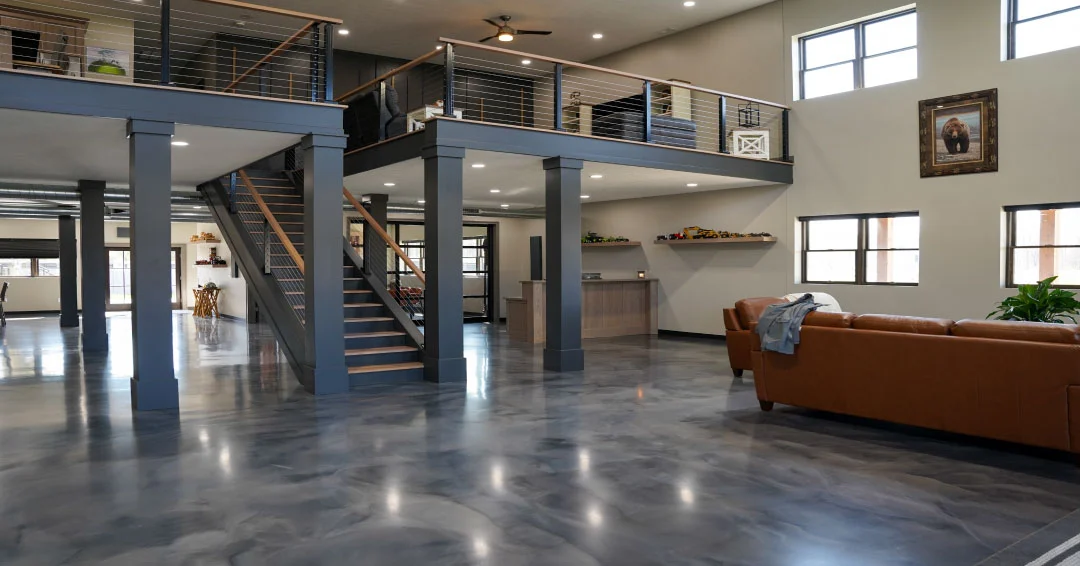
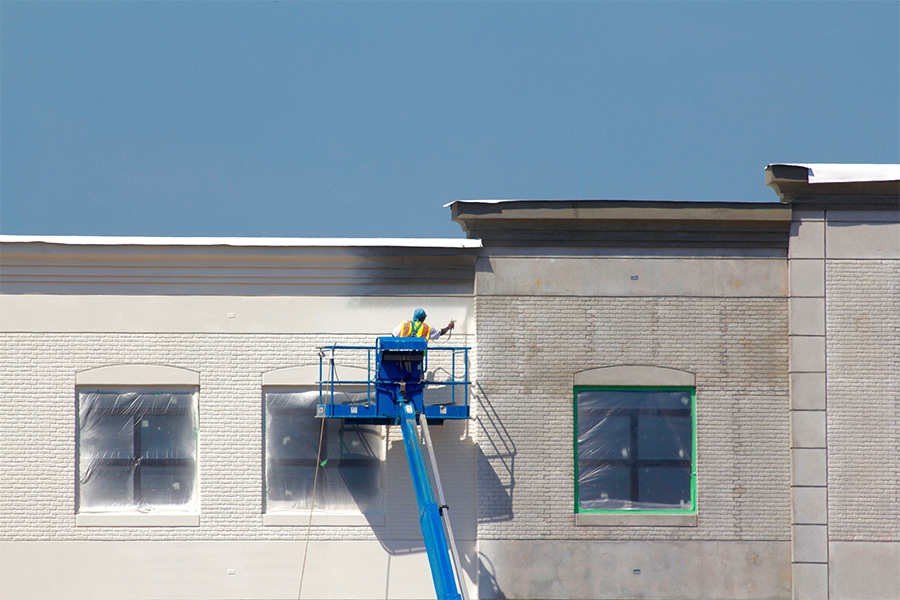
Architectural coatings — coatings applied to both interior and exterior surfaces of buildings — serve aesthetic, protective, and performance roles in residential, commercial, and industrial construction projects. Demand is driven by new construction, renovations, and stricter environmental and performance standards across global markets.
Regulatory Momentum Toward Lower Emissions and Environmental Safety
Environmental regulations continue to shape architectural coatings product development. Governments in Europe, North America, and key Asia-Pacific markets have implemented, or are expanding, regulations intended to reduce volatile organic compound (VOC) emissions and promote safer chemistry in coatings. These frameworks have prompted manufacturers to accelerate the shift from traditional solvent-borne systems toward water-based and low-VOC coatings, which help reduce harmful emissions without compromising performance.
In addition, specific regional mandates — such as stringent VOC limits and lead control standards in household paints — are encouraging the adoption of eco-friendly formulations that align with building and environmental codes while addressing indoor air quality concerns.
These regulatory forces are a key theme not only in the architectural coatings market but across the broader pigment industry. As discussed in our previous coverage of industry adaptation strategies, compliance has become an integral part of long-term business planning rather than a short-term response.
https://www.finelandchem.com/pigment-industry-outlook-2026-regulation-sustainability-and-market-adaptation/

Sustainability, Performance, and Product Innovation
Sustainability remains a central driver of architectural coatings demand. End customers increasingly expect coatings that deliver enhanced durability, reduced environmental impact, and improved service life. This expectation has accelerated innovation in both binder technologies and pigment systems.
For example, organic and hybrid pigment systems with strong weather resistance and lightfastness help coatings retain color and gloss over long service periods, even in harsh climates. These technical aspects of pigment performance — including dispersion, particle interaction, and how pigments influence durability — are explained in technical resources such as our overview of pigment dispersion and color science.
https://www.finelandchem.com/pigment-theory-and-color-science-training-session/
Manufacturers are also pursuing innovations in waterborne systems, bio-based resins, and functional additives that enhance both sustainability and coating performance. These formulations aim to satisfy green building certifications and voluntary environmental standards that go beyond regulatory compliance.
Market Drivers and Regional Growth Patterns
Urbanization and infrastructure growth in Asia-Pacific — led by China and India — are major contributors to architectural coatings demand. In these regions, rapid construction activity and increasing middle-class housing, including renovations, support ongoing consumption of both decorative and protective coatings.
North America continues to see growth driven by renovation and retrofit markets, while Europe emphasizes sustainability and regulatory compliance in both new construction and refurbishment projects. Other regions show varied but consistent expansion as waterborne and low-VOC products gain traction worldwide.
Together, these regional trends underscore the importance of versatile pigment systems and formulation flexibility in meeting performance requirements across climates and applications.
Supply Chain Adaptation and Raw Material Considerations
Raw material volatility and logistical challenges continue to influence market dynamics. Fluctuating prices for key feedstocks — including pigment raw materials and resin intermediates — impact formulation costs and profit margins across the architectural coatings sector. In response, manufacturers are optimizing production processes, leveraging automation and process control technologies, and refining pigment dispersion techniques to maintain quality and cost efficiency.
Quality control improvements and technological investments help ensure consistent performance, which is especially critical in architectural coatings where batch-to-batch color uniformity and long-term durability are expected. Similar quality considerations have been highlighted in ongoing pigment production and partnership analyses within the coatings supply chain.
https://www.finelandchem.com/flying-colors-pr254-cooperation/
Outlook: Growth with Nuanced Challenges
Despite regulatory pressures and supply chain challenges, the architectural coatings market outlook through 2026 remains positive. Growth in residential construction, commercial development, and renovation projects continues to drive demand. Acrylic resins, which account for a substantial segment of the coating formulations, are expected to grow at higher rates compared to other resin types, reflecting their popularity in both interior and exterior architectural applications.
Moreover, evolving preferences for sustainable products — such as solvent-free or low-VOC formulations — align with broader coating industry trends, including life-cycle performance and reduced environmental impact. In the long term, technologies that balance durability and sustainability will likely continue to shape architectural coatings development and procurement decisions.
Summary
The architectural coatings market in 2026 is defined by regulatory adaptation, sustainability imperatives, and performance expectations. Industry participants that integrate environmental compliance with technical innovation and supply chain resilience are best positioned to respond to market demands in both developed and emerging regions.
Ongoing technological progress, including advanced pigment systems and improved binder technologies, supports the creation of coatings solutions that are both durable and environmentally responsible. As regulatory landscapes evolve and customer priorities shift toward sustainable construction practices, architectural coatings will continue to adapt — maintaining their role as essential elements in building performance and aesthetic design.
References
Global Architectural Coatings Market to Reach $79.5 Billion by 2026G